How would you define your contributions to the magazine?
Apartamento came for me at a time when I had been working on Butt magazine for a long time, and I was almost bored of doing interviews for them. I thought it would be more interesting to talk to gay people and queer people about their lives in a context that was more inclusive.
When I was introduced to Apartamento, I thought about how I had always wanted an interior design magazine that wasn’t based on money—it was such a radical proposition. It’s not that it totally excludes people with money, because people with money can also have a very interesting vision about how they want to live that’s exciting in a particular weird, perverse, or specific way. I realised though that money wasn’t the foundation. Money is usually the foundation upon which all design journalism is built, so to make that not the cornerstone was something I really cared about.
I remember you saying something about how you like the idea of a more mainstream audience opening the magazine and stumbling across a less mainstream type of article.
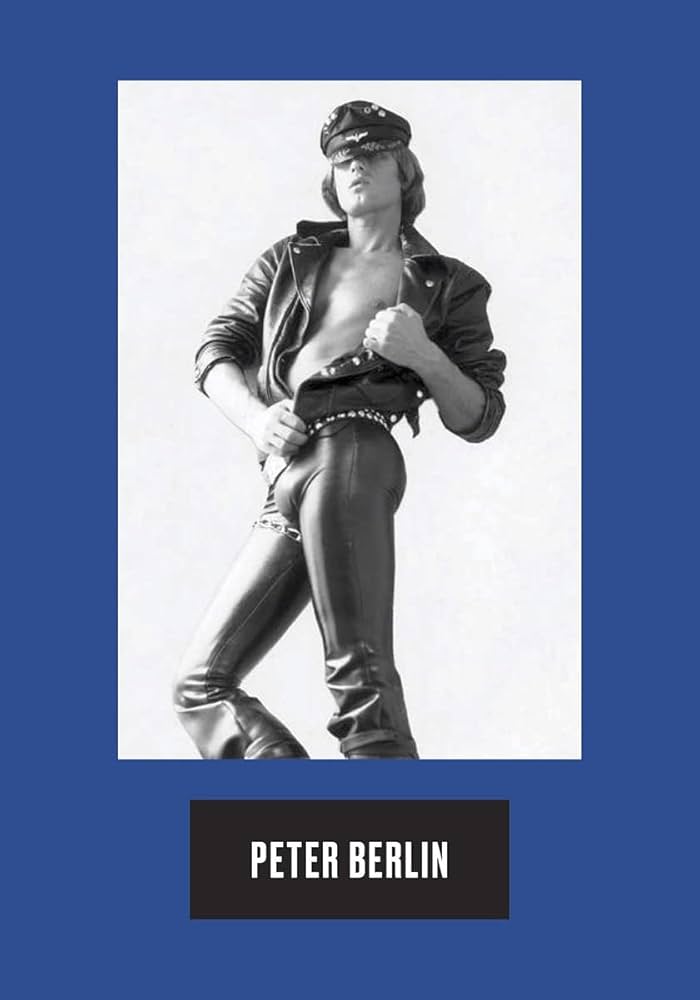
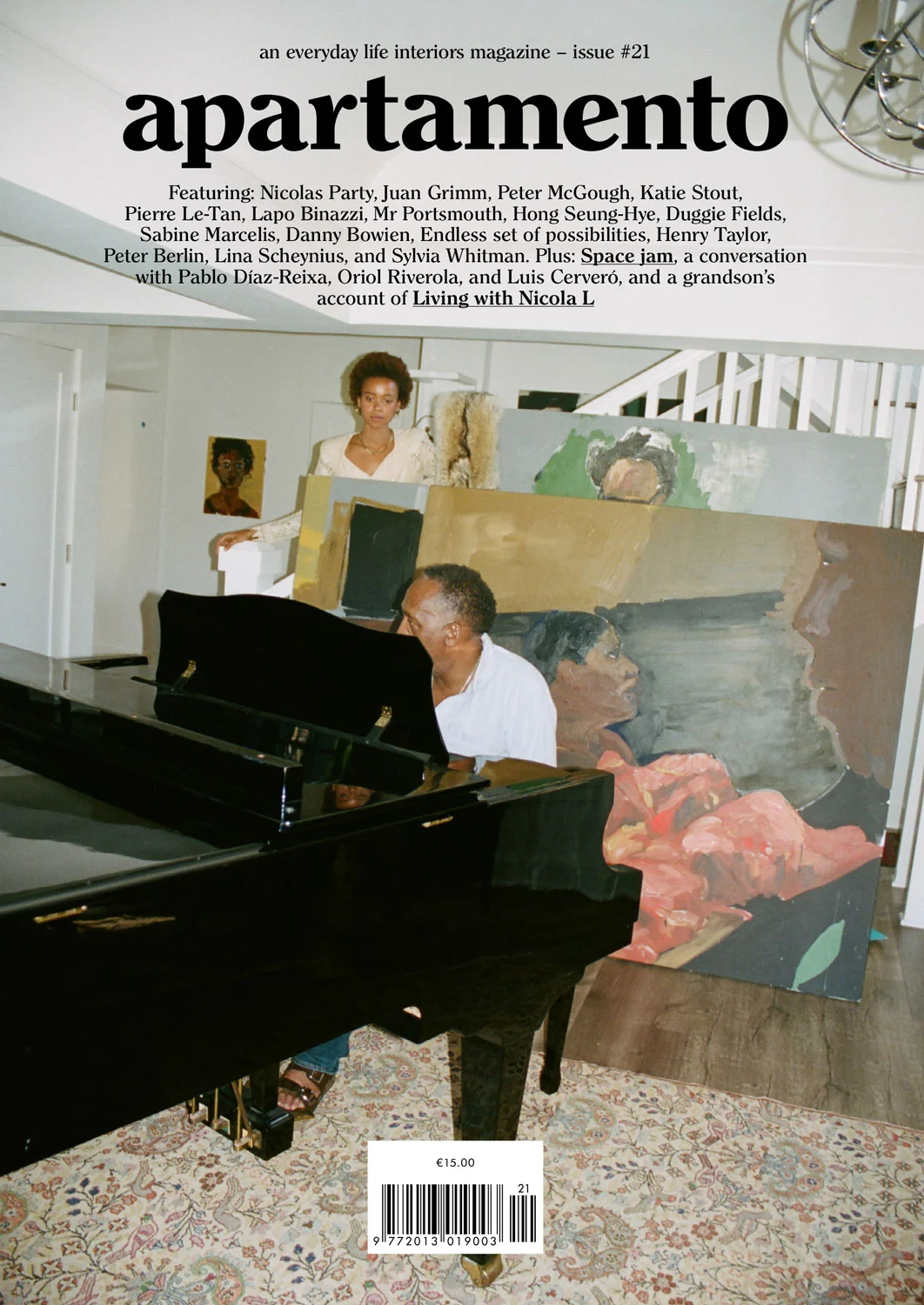
It’s been exciting over the years how Apartamento has developed a reputation for being this chic publication that has a more polite audience who want to be in the know about edgy things, and then they pick it up and read about Peter Berlin.
I remember some of the comments being so horrified that like, ‘Why do I have to learn about this?’ To me that’s exciting, that kind of crossover. So much of journalism and Instagram is people staying within their own bubble, so it’s so nice when there’s ideas that cross-pollinate across different types of people.
Do you have any personal favourites of your own features?
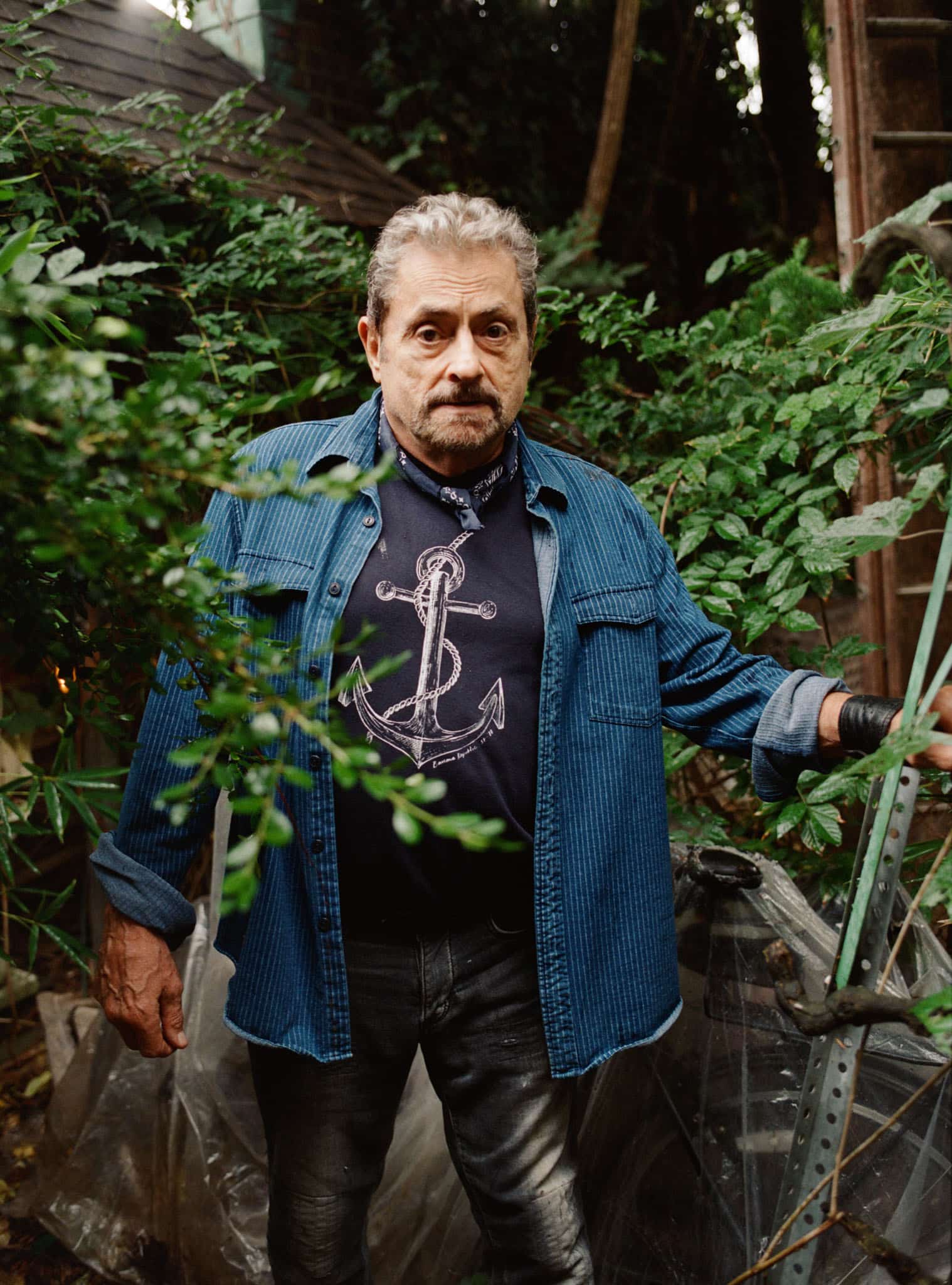
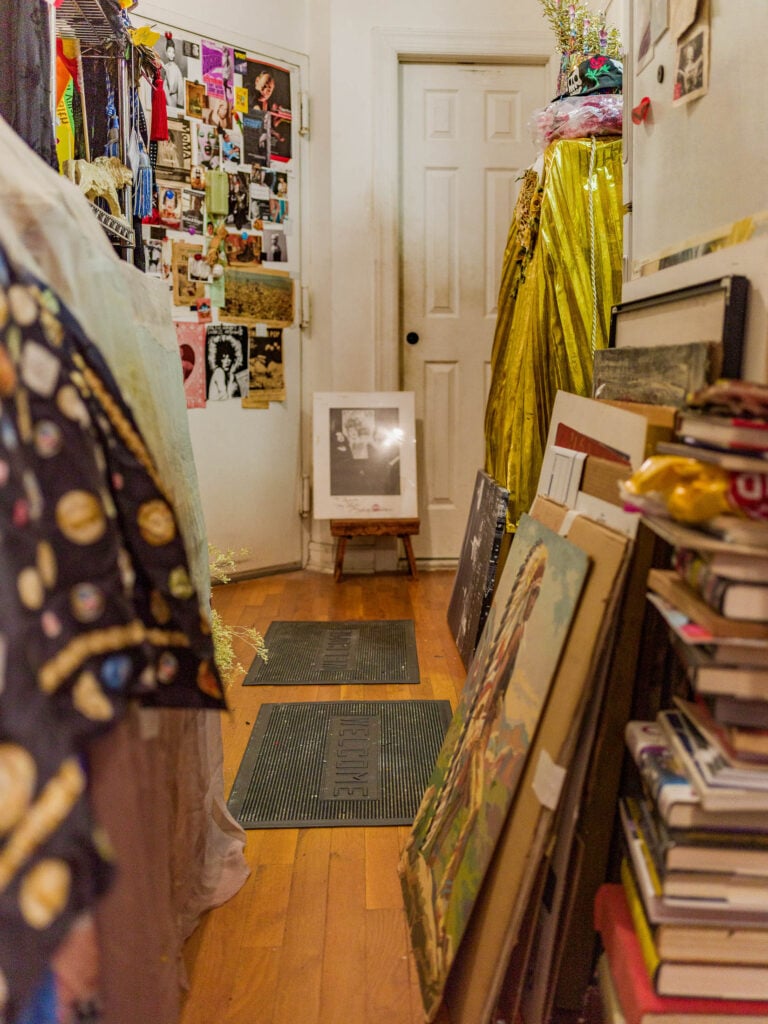
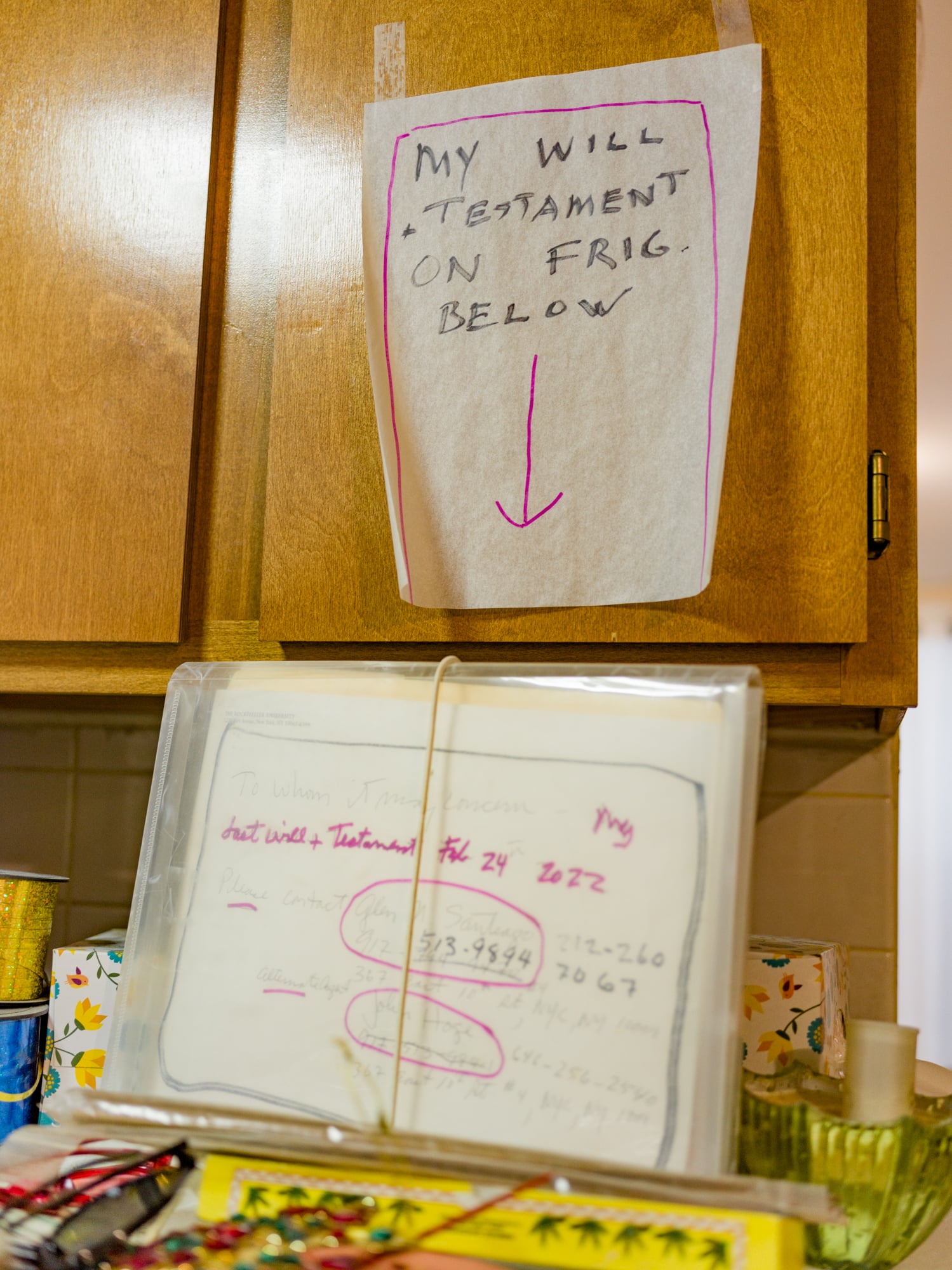
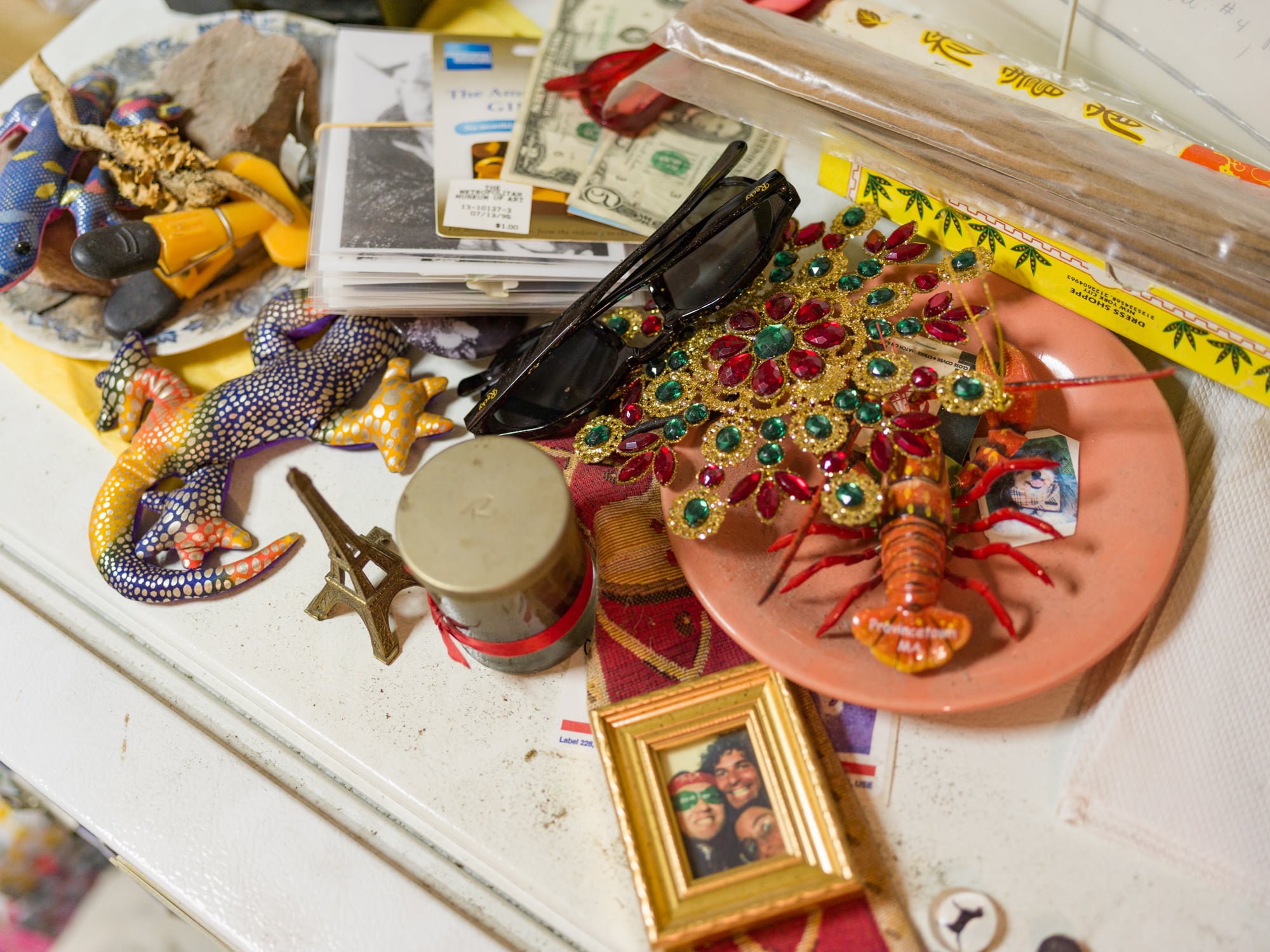
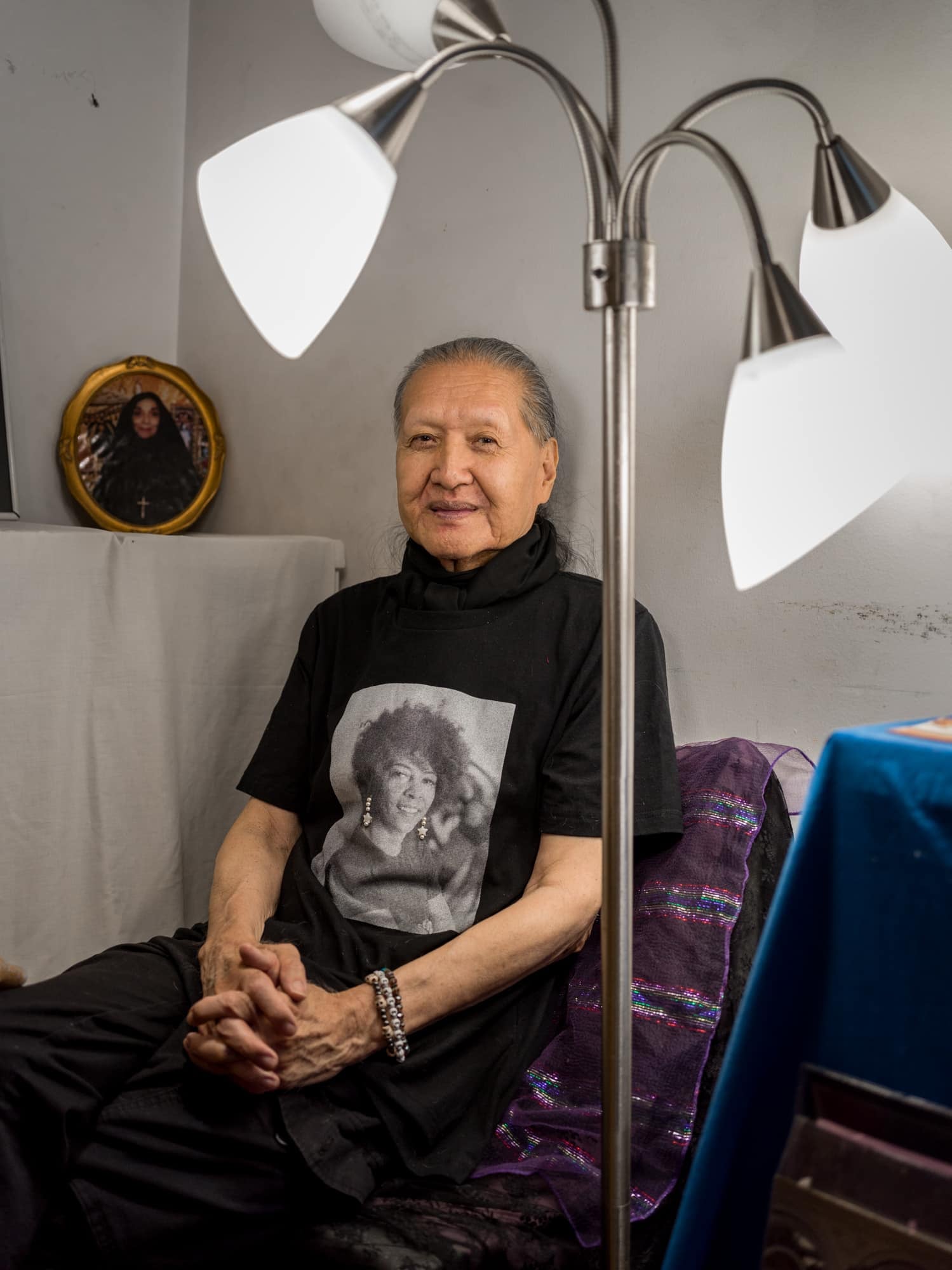
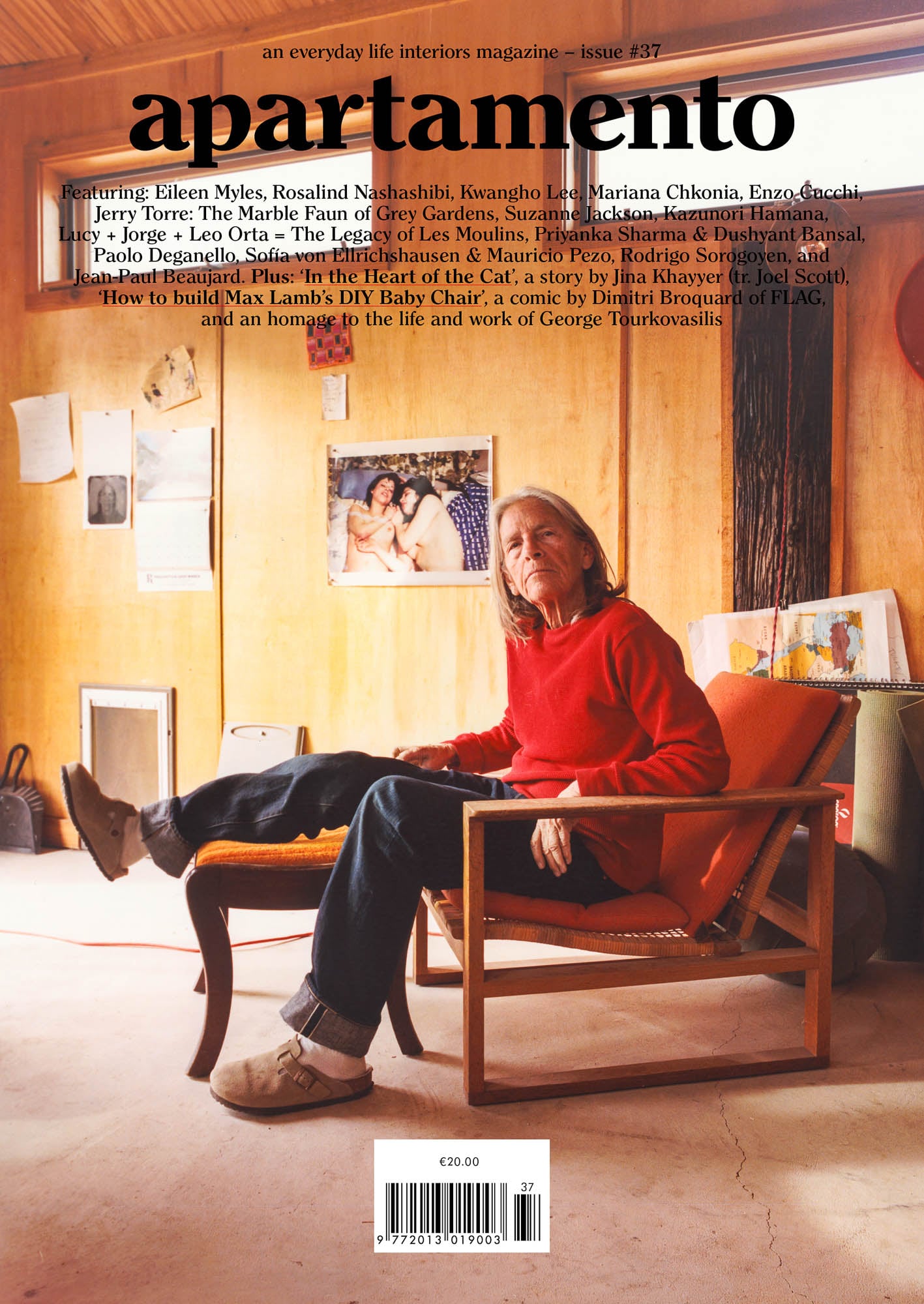
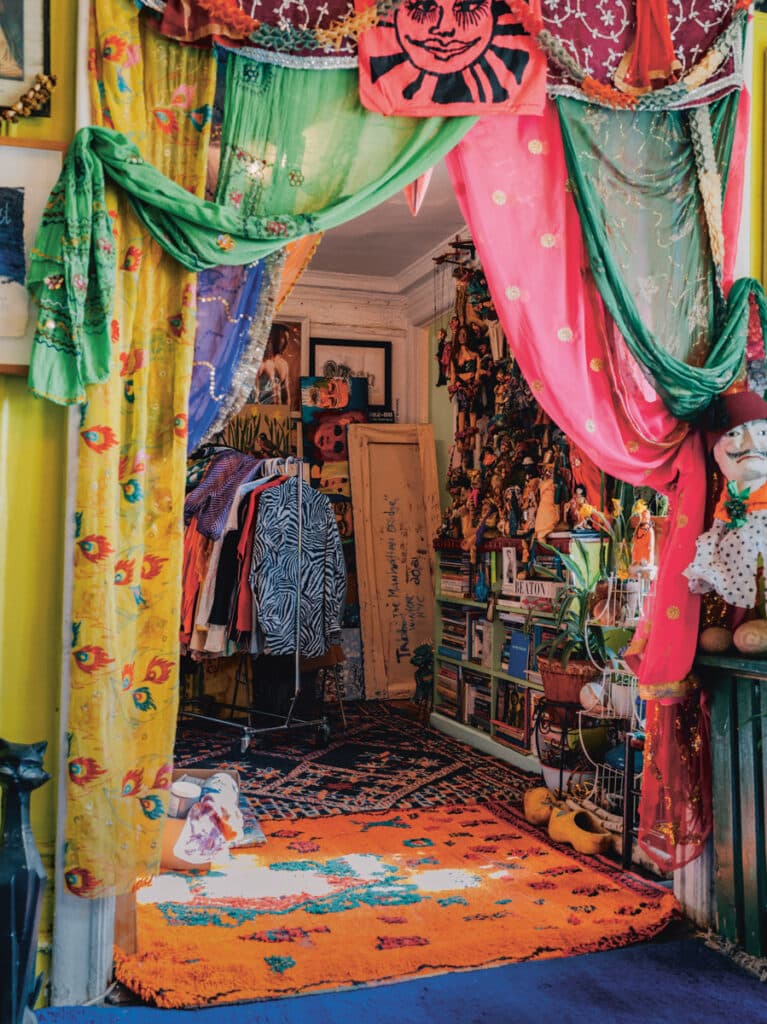
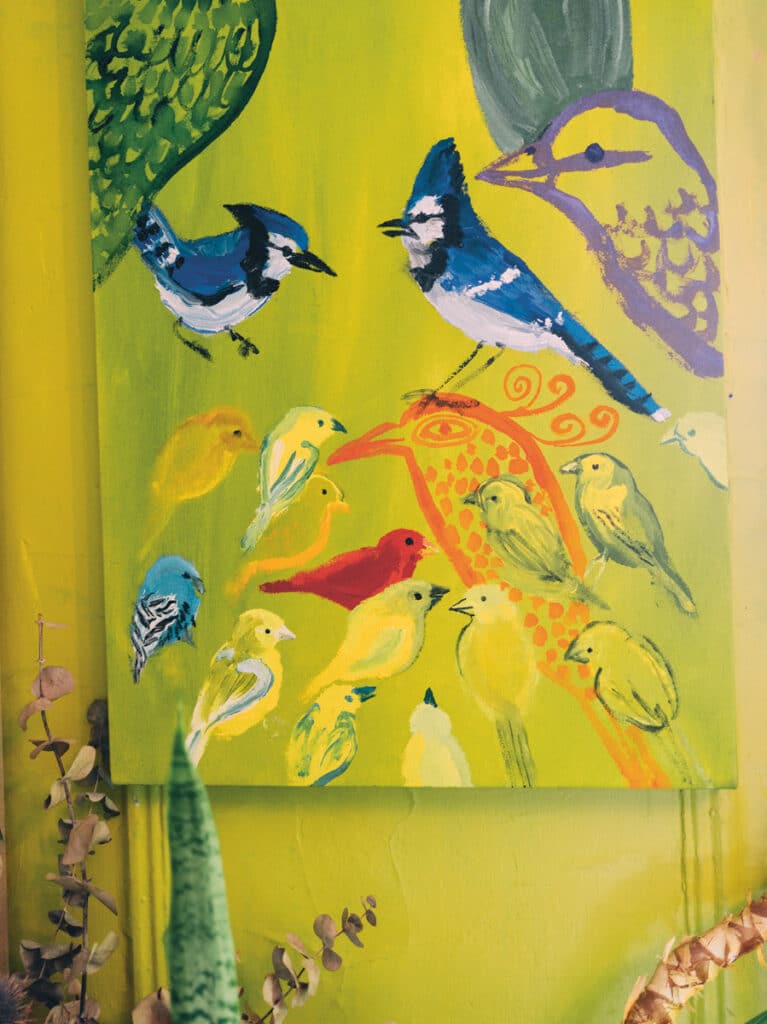
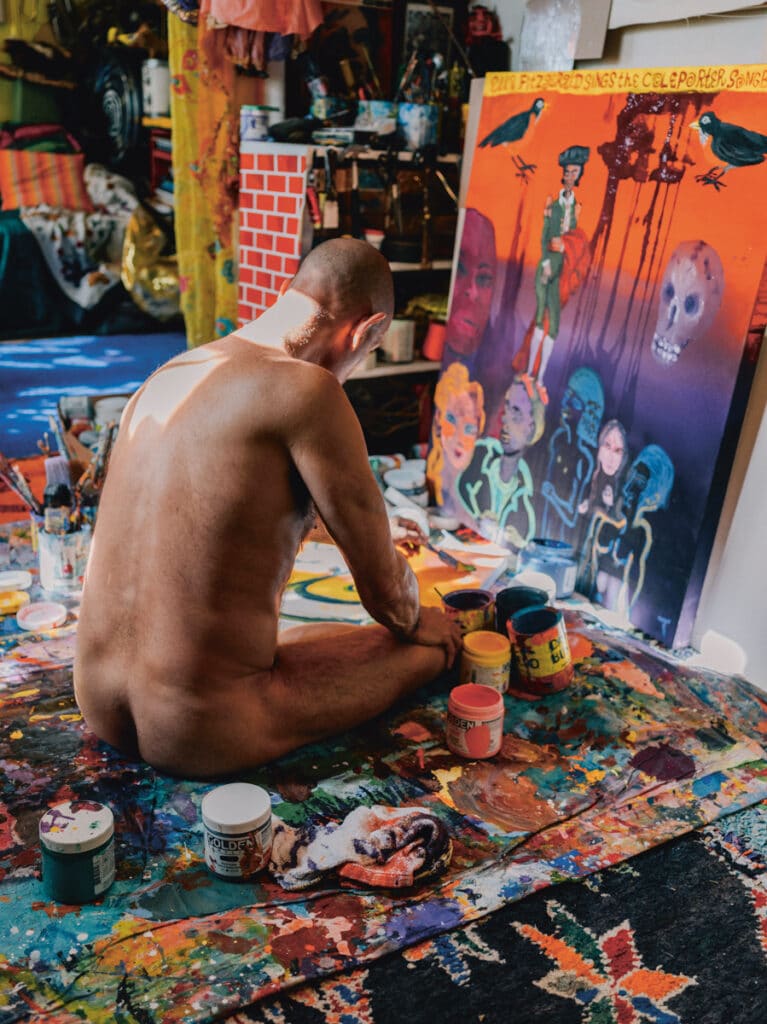
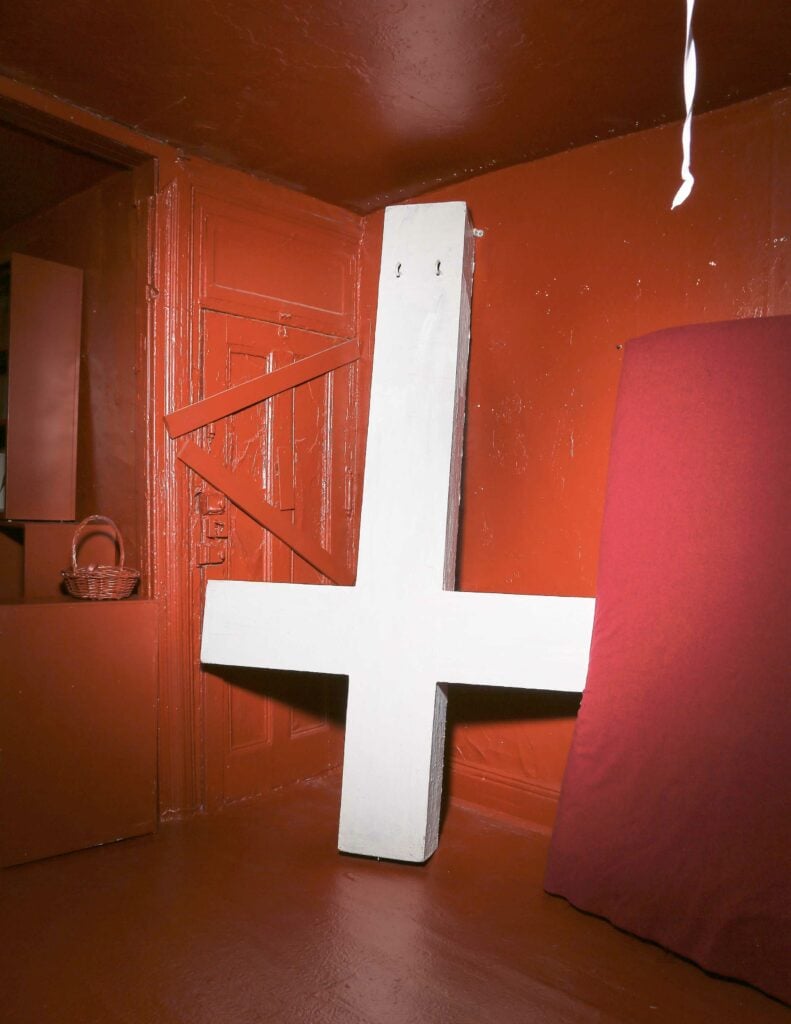
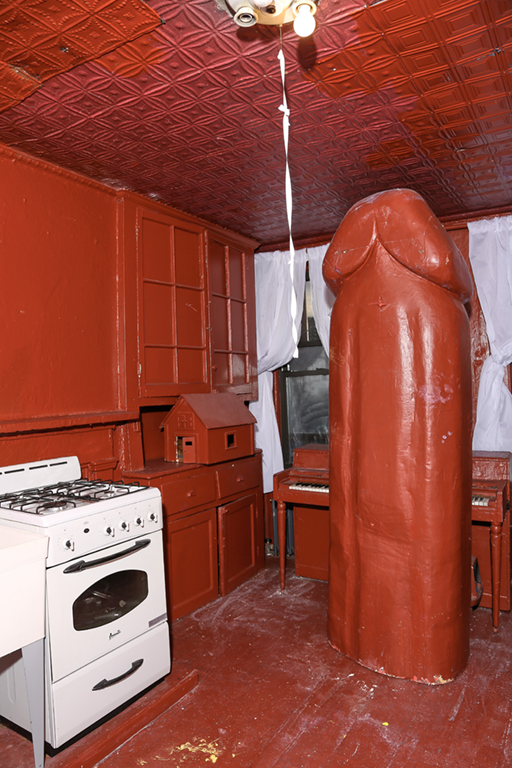
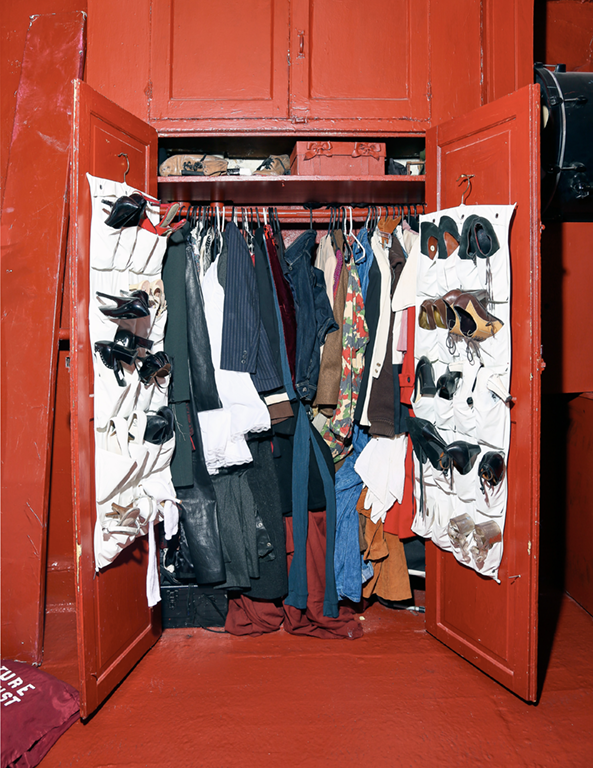
I always think the last one’s the best one, but this last one with Jerry ‘the Marble Faun’ is really special because he’s of historical significance. He’s part of history as a member of the famous documentary Grey Gardens (1975), and he’s also still alive. He was in that movie as a teenager, and he’s a practicing artist.
From watching the movie, you don’t realise that he is a gay kid trying to find his way, and his whole story after Grey Gardens is absolutely insane. He’s such a lovable person that was dealt a really difficult hand in life and made really a spectacular life out of it. He’s such an inspiration, and he’s also so fun. I think the combination of that level of significance and underexposure is radical—it’s very rare that you get that type of story. I really quite like that article.
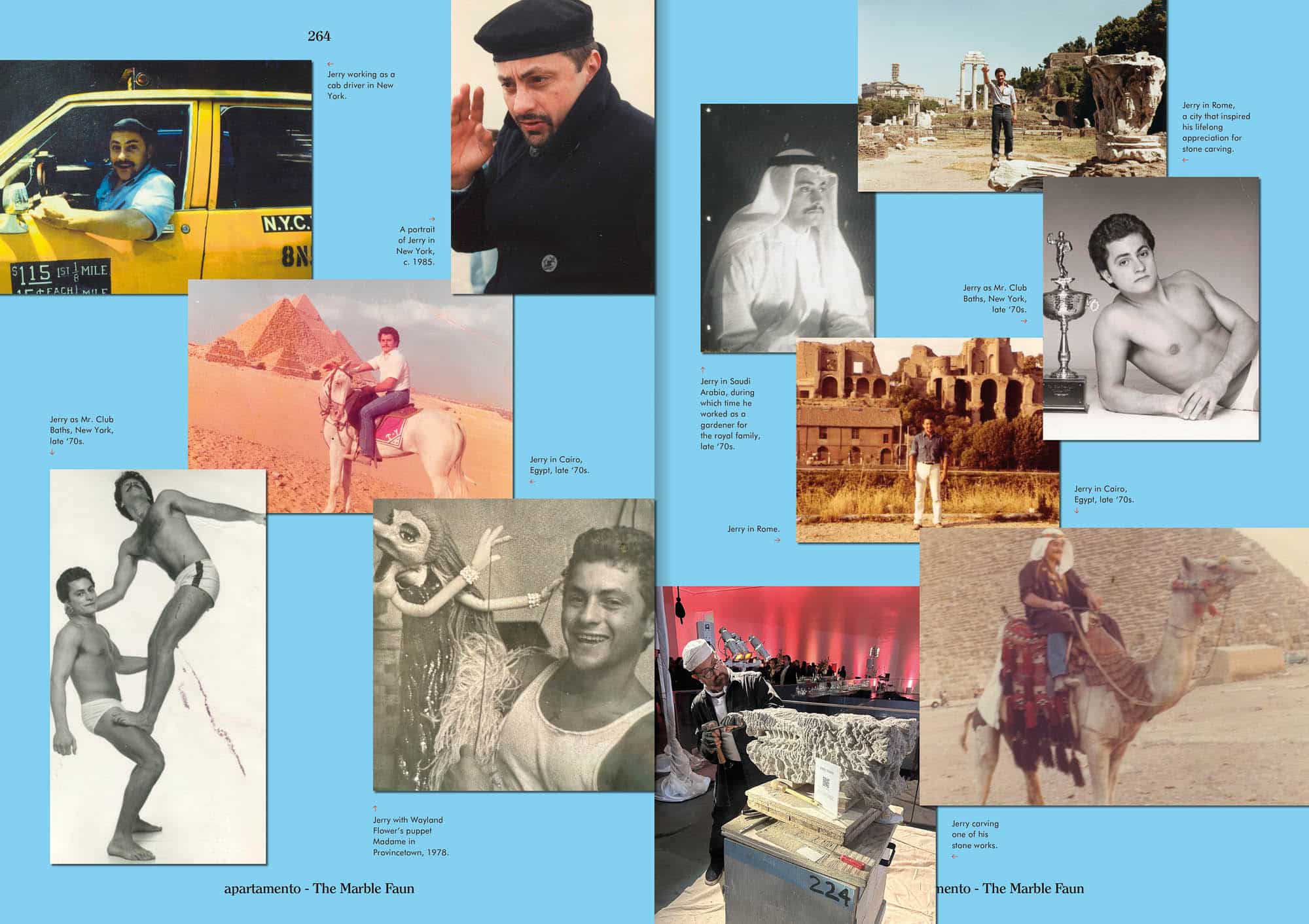
I really liked the spread of his travels around the world.
Yeah, you’re like, ‘Fuck, that’s a life, man!’
Exactly, you saw how his life panned out, and it was all thanks to this chance encounter with these two women, no?
He was so young, and most people would have been like, ‘These two women are insane and they live in the most disgusting way’. Instead, he was like, ‘These two women are my new family’.



 close
close


