
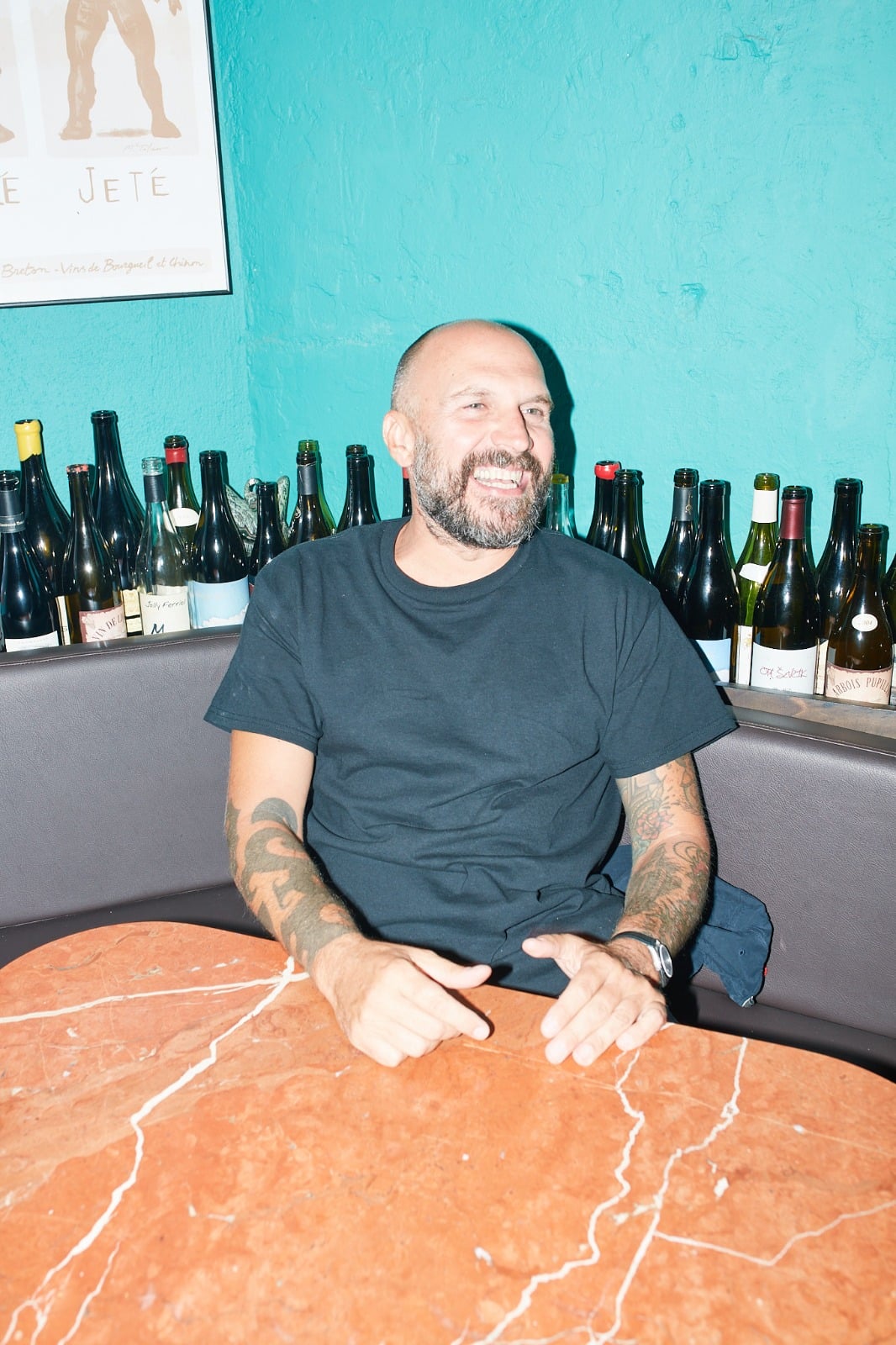
Barcelona: I had just rolled into his restaurant Xemei, our meeting point, straight from the airport. The place wasn’t yet open—chairs still stacked, soaking in the quiet of the morning—but a man sat out on the terrace under a clear Mediterranean sky, sipping exactly what I craved. A coffee. ‘Best bread baker in Barcelona’, Stefano Colombo said to me, motioning to the coffee drinker.
I was here to interview Stefano on his past and how he and his twin brother Max, transplants from Venice, came to create one of the most well-known natural wine bars in the world—Bar Brutal. Stefano snapped off a section from a bouquet of baguettes that the baker had just delivered. With the crack of the crust and the sour perfume of the crumb, the bread was more French than Catalan, but then Stefano is more Italian than Spanish.
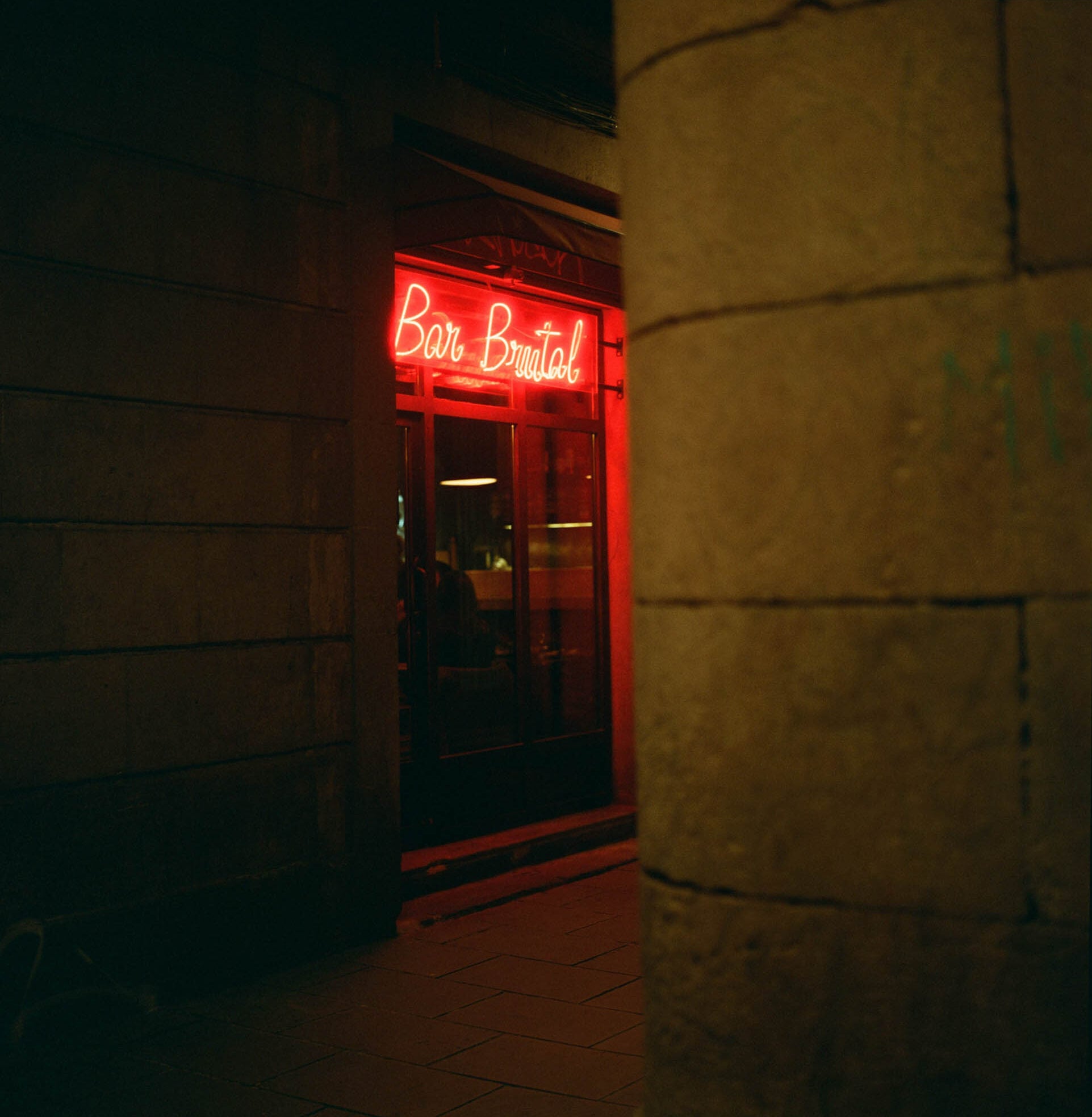
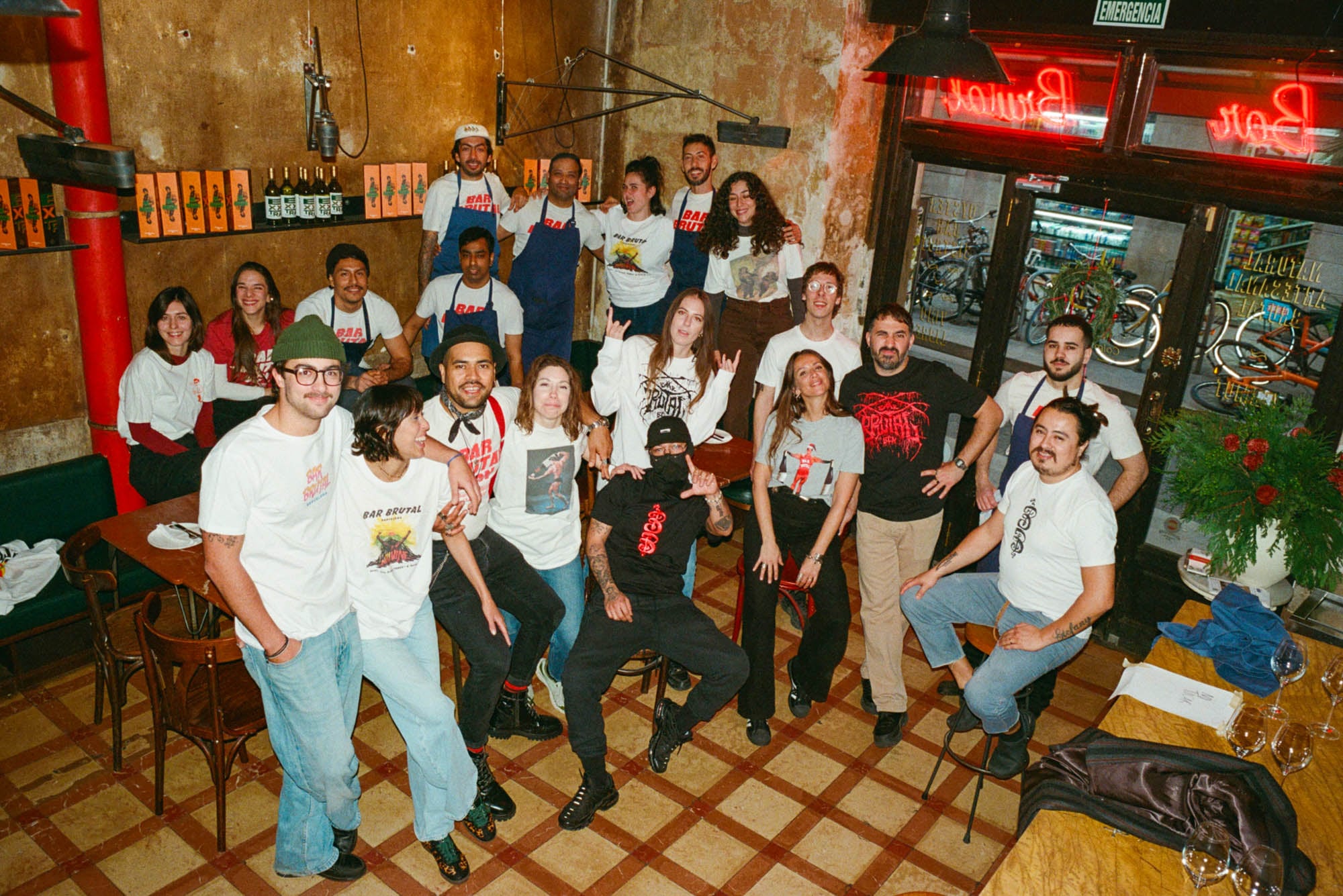
Natural wine came late to Spain. The Colombos were part of the dynamite that ignited the scene. First came Xemei, a little dive in the then-overlooked neighbourhood of Poble-sec. Bar Brutal, initially a partnership with wine importer Joan Valencia and winemaker Joan Ramon, opened in 2013. Within a quick year, they were a legend in the making. No self-respecting natural wine drinker could possibly be within a hundred miles and not make a pilgrimage. The bar was a catalyst, a laboratory for natural wine icons and experiments. Finally, an explosion of local Catalans began working naturally, and that energy spread to almost every DO in the country.
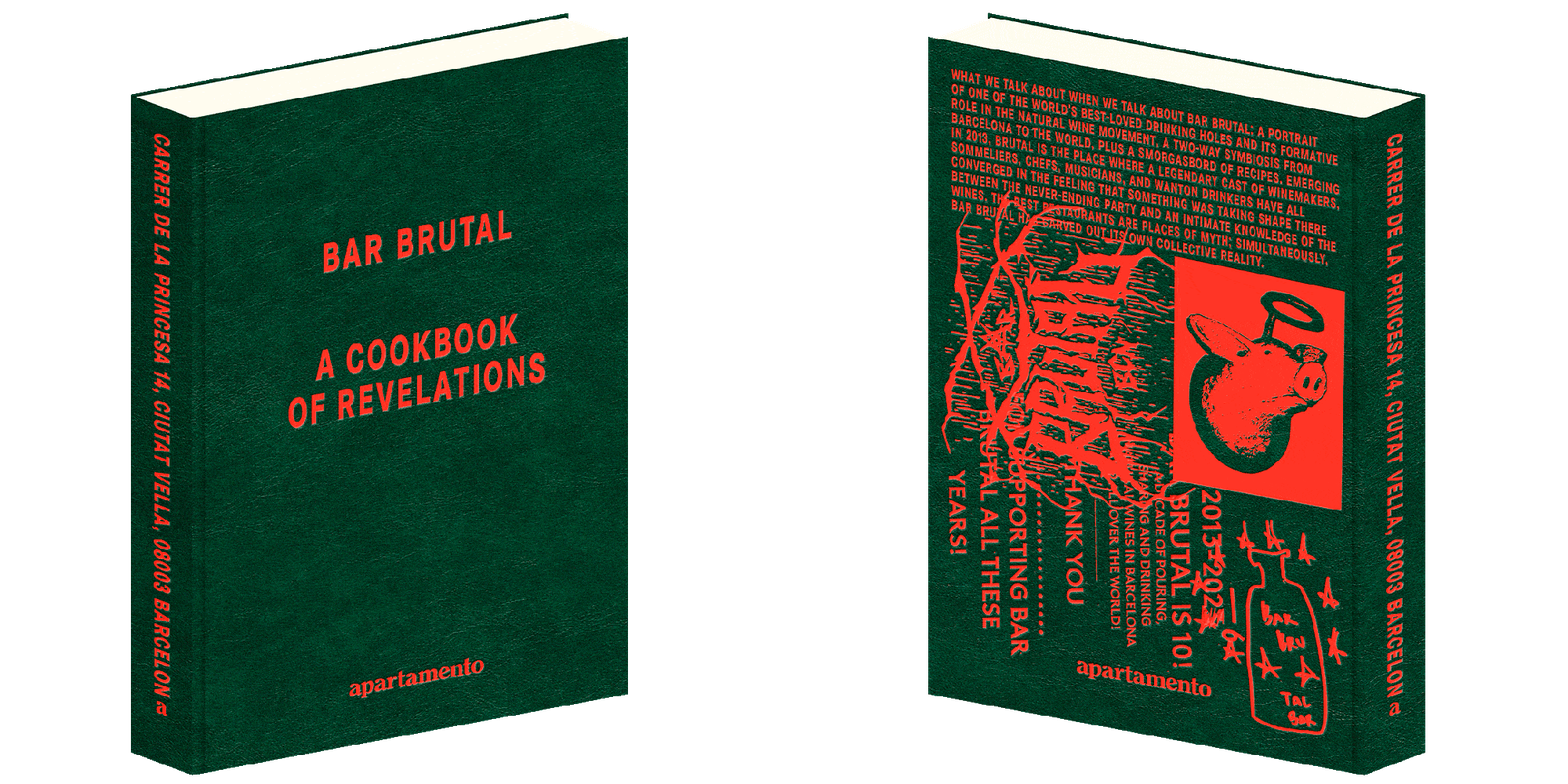
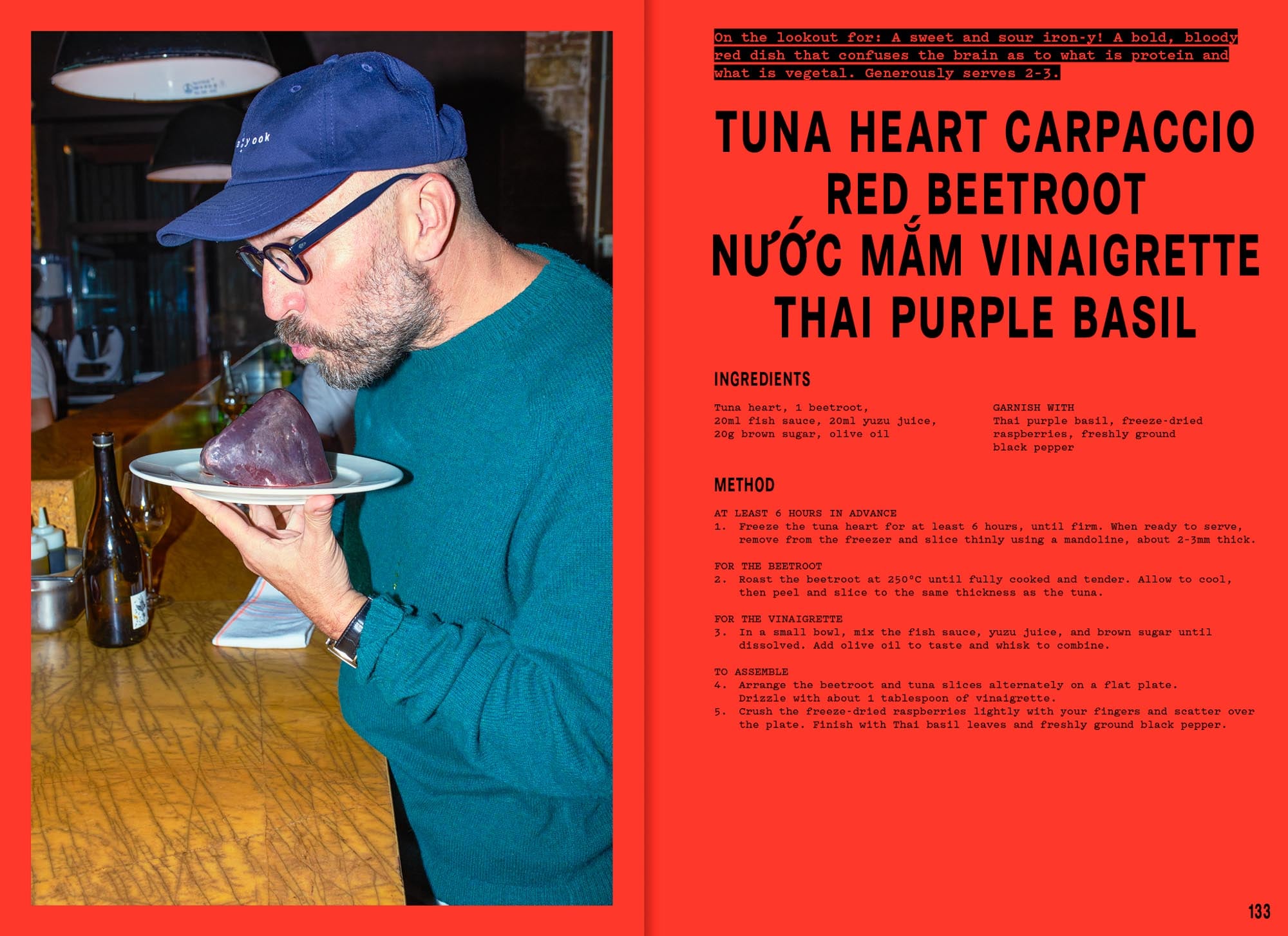
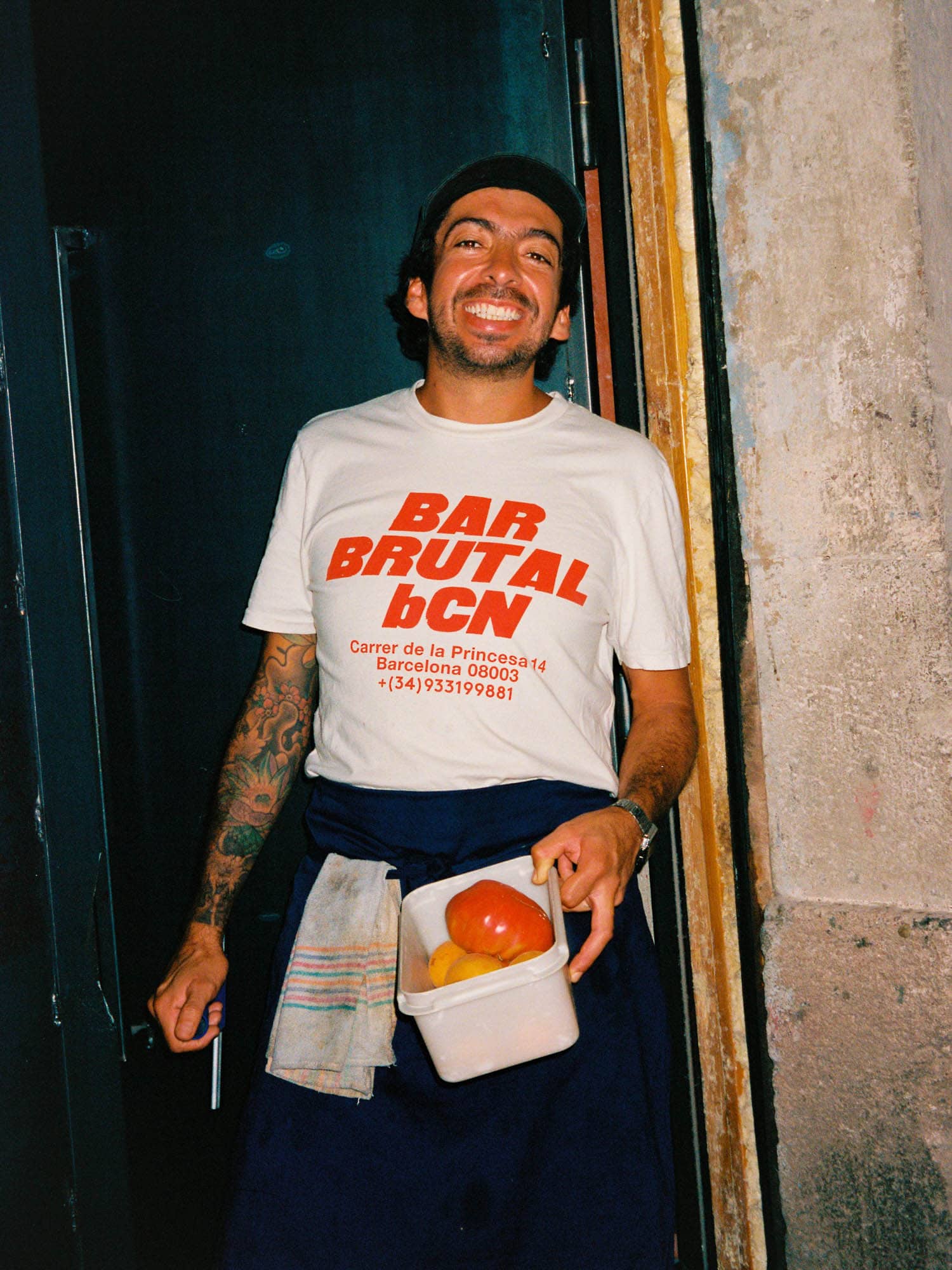
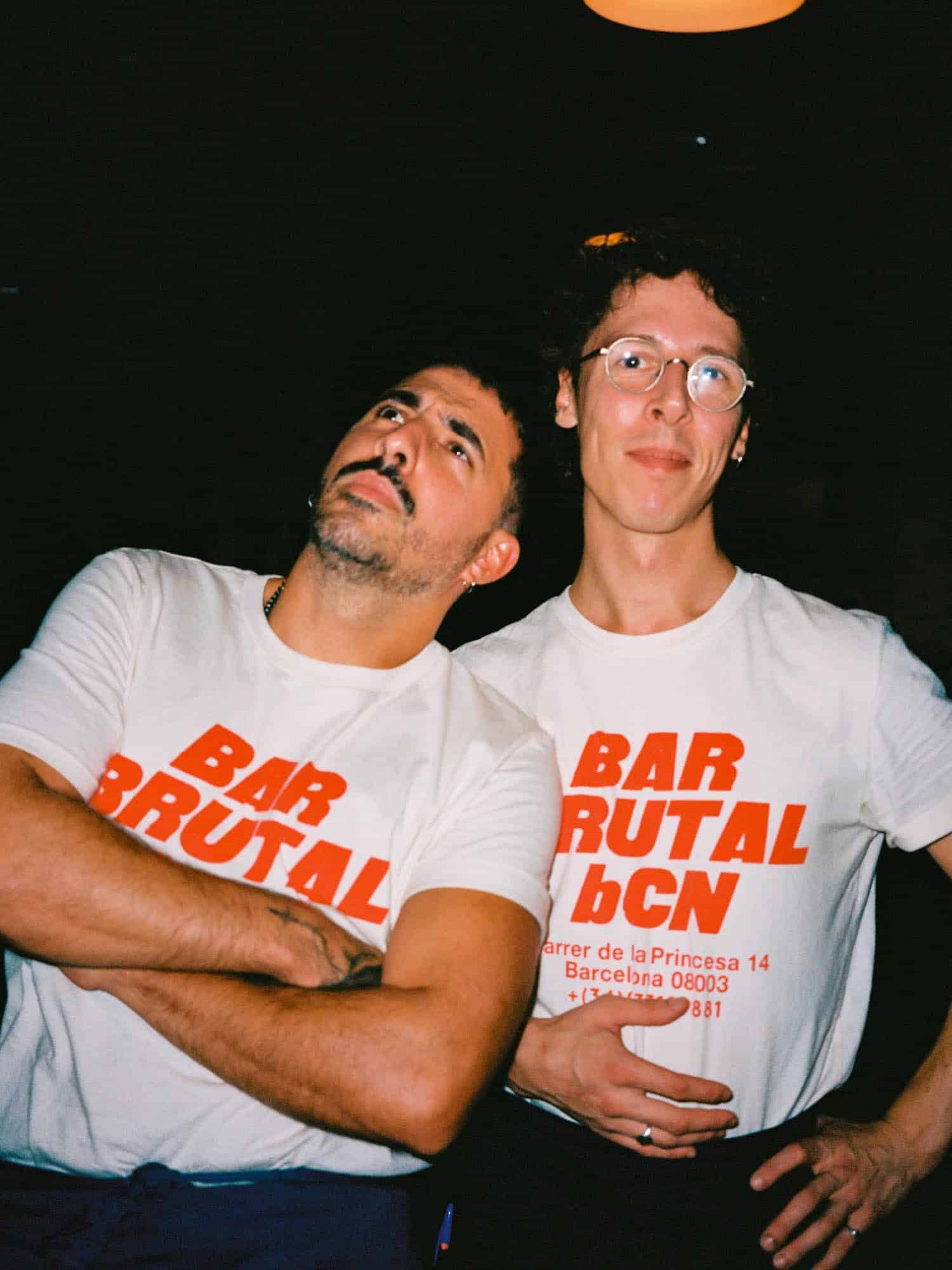
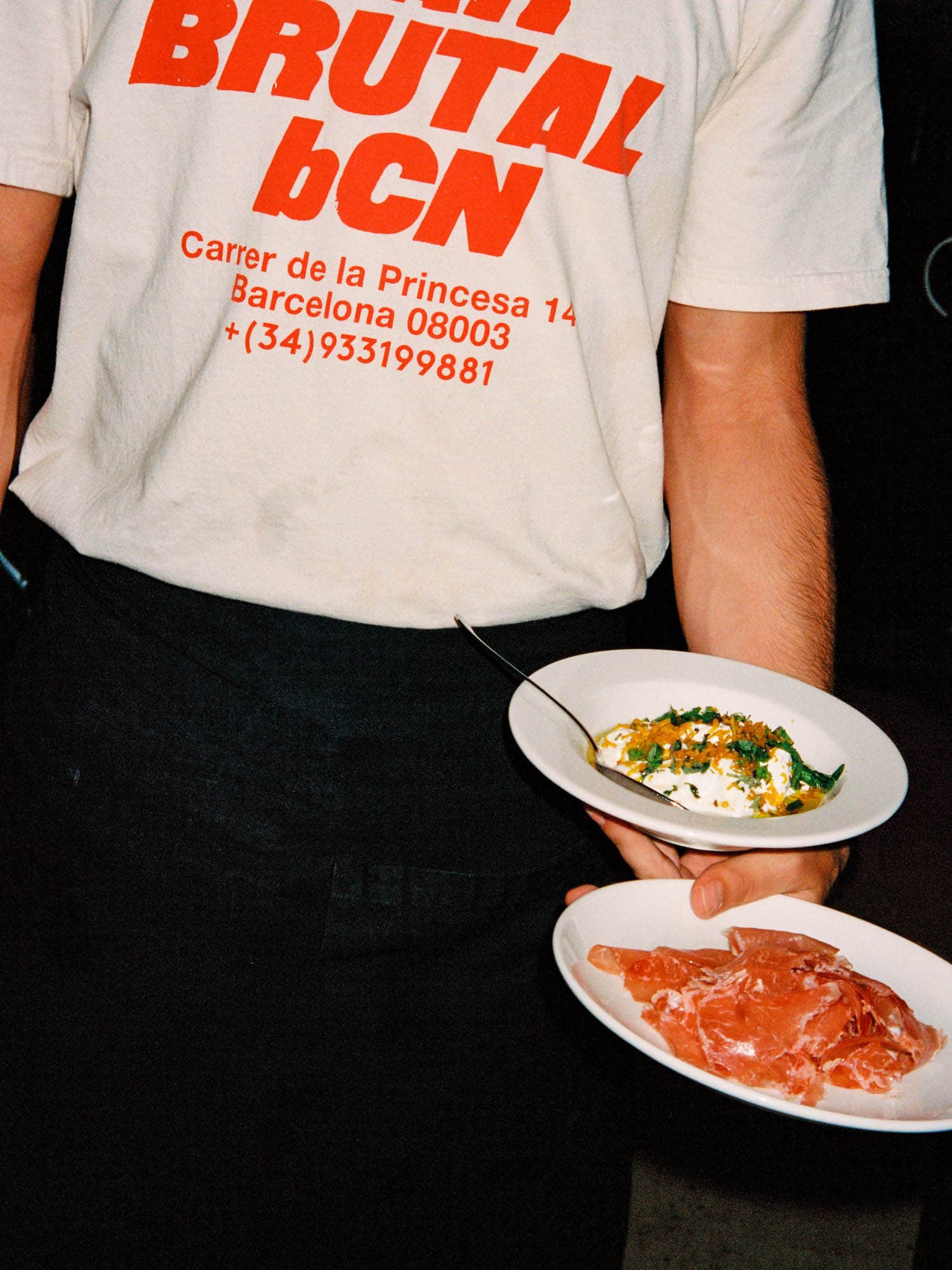
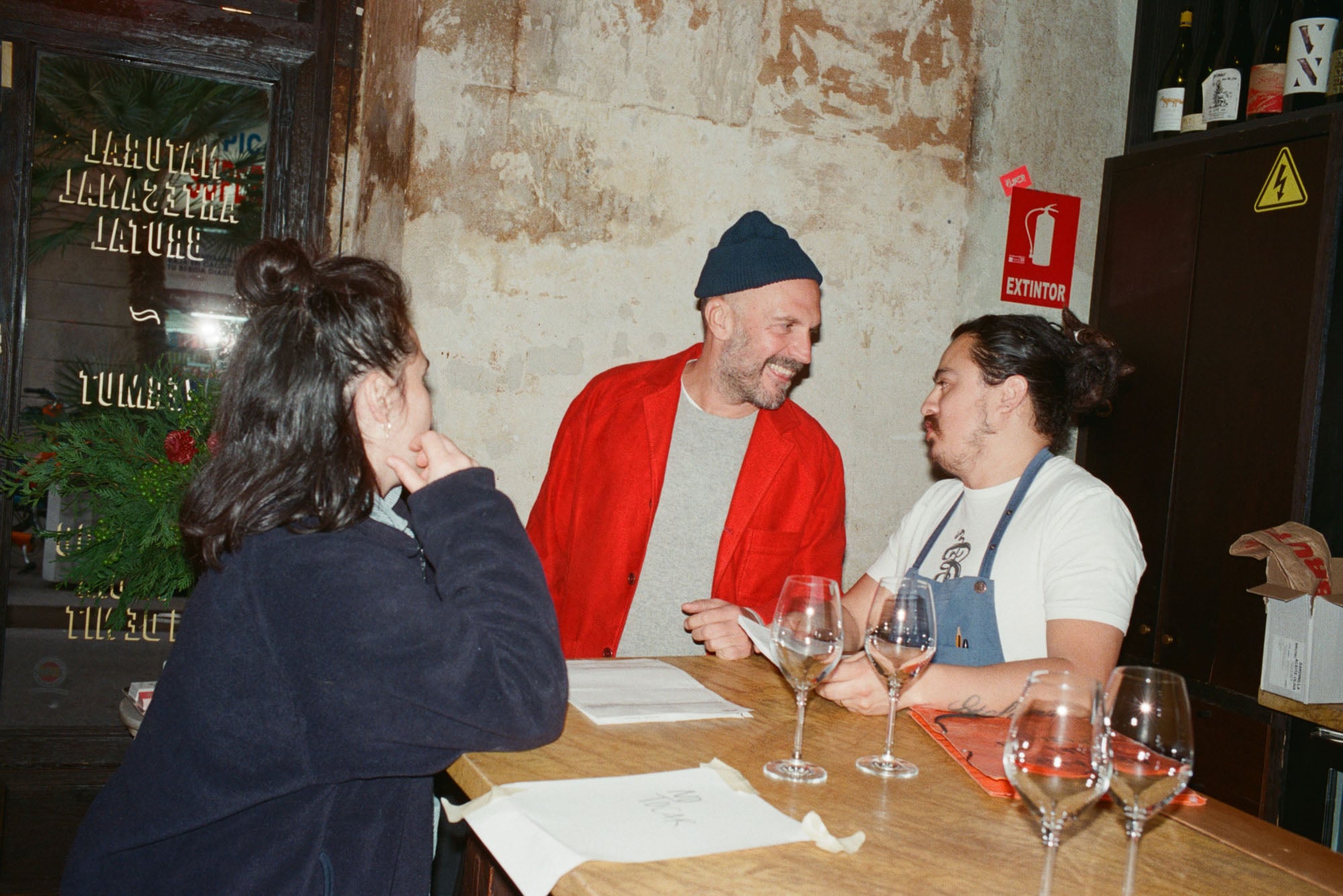
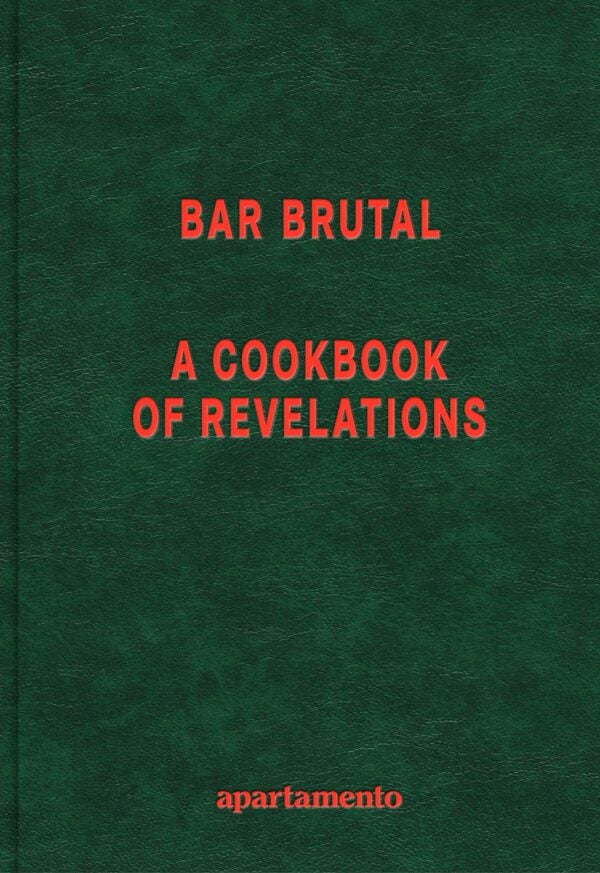
The cult of Brutal was well known to me long before I ever walked through the door. Every damned time I’d been to Barcelona since 2013, they’d been closed—a private event, a holiday, some cosmic joke at my expense. It took until the spring of 2026 to finally get Brutalised; while vibrant, busy, and delicious, it wasn’t the frenzied, intense party scene of the bar in its youth—at least on the night I was there. Stefano turned 50 this year. Bar Brutal: A Cookbook of Revelations is just out. The man and his bar, he had told me, were in a different phase. It was time for me to find out what exactly that meant.
‘Shall we go?’ he asked. Saying goodbye to the bread baker, I followed Stefano to our destination, mulling over my observation that the baker’s need for honesty in that bread was the same as Stefano’s need for transparency in the wine. Bread and wine are not just nourishment, but community and politics and aesthetic. Five minutes later, we entered one of the two coffee spots on Plaça del Sortidor, ordered two Americanos, and went to work.


 close
close


