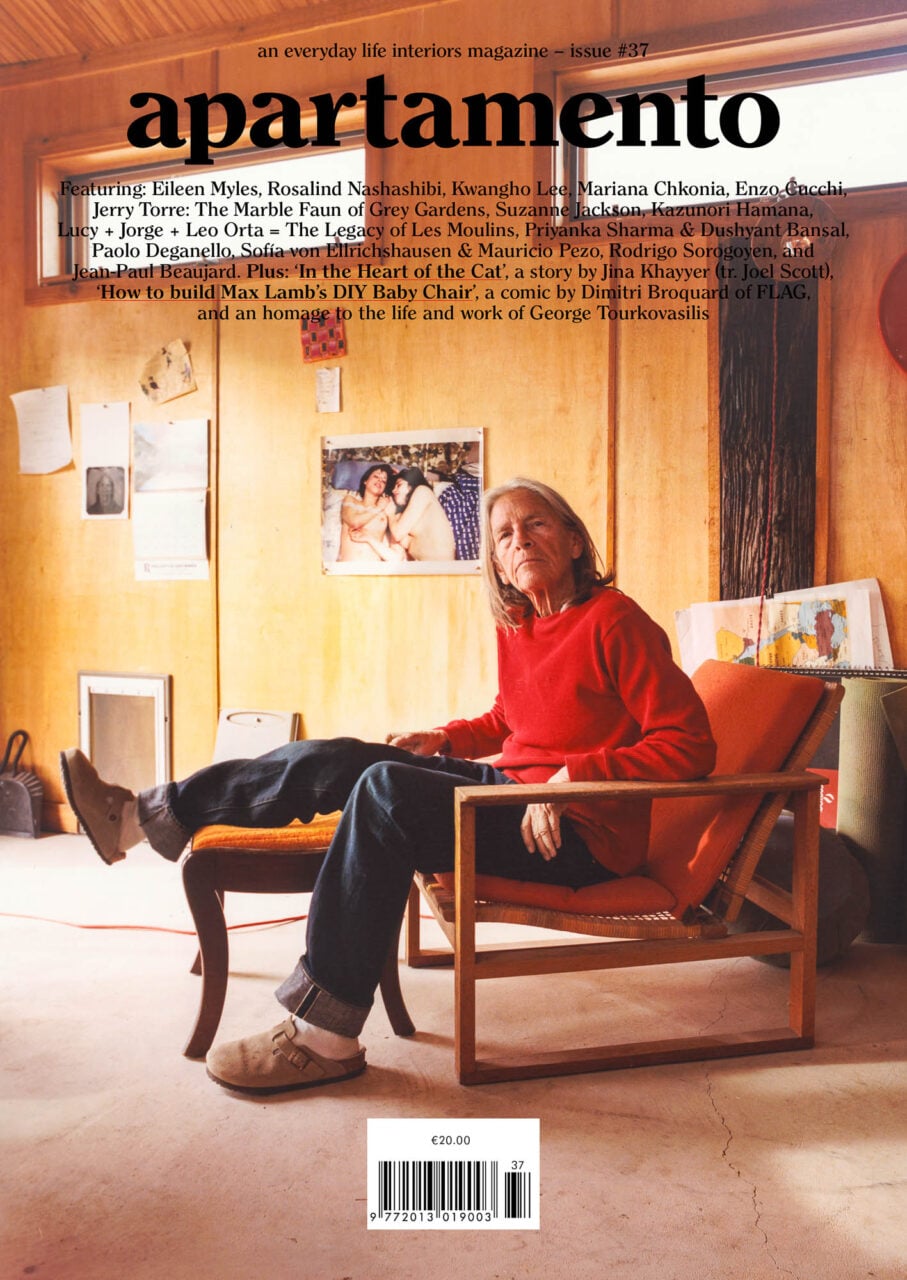
A conversation with Enzo Cucchi for Apartamento magazine issue #37

A conversation with Enzo Cucchi for Apartamento magazine issue #37

Enzo Cucchi

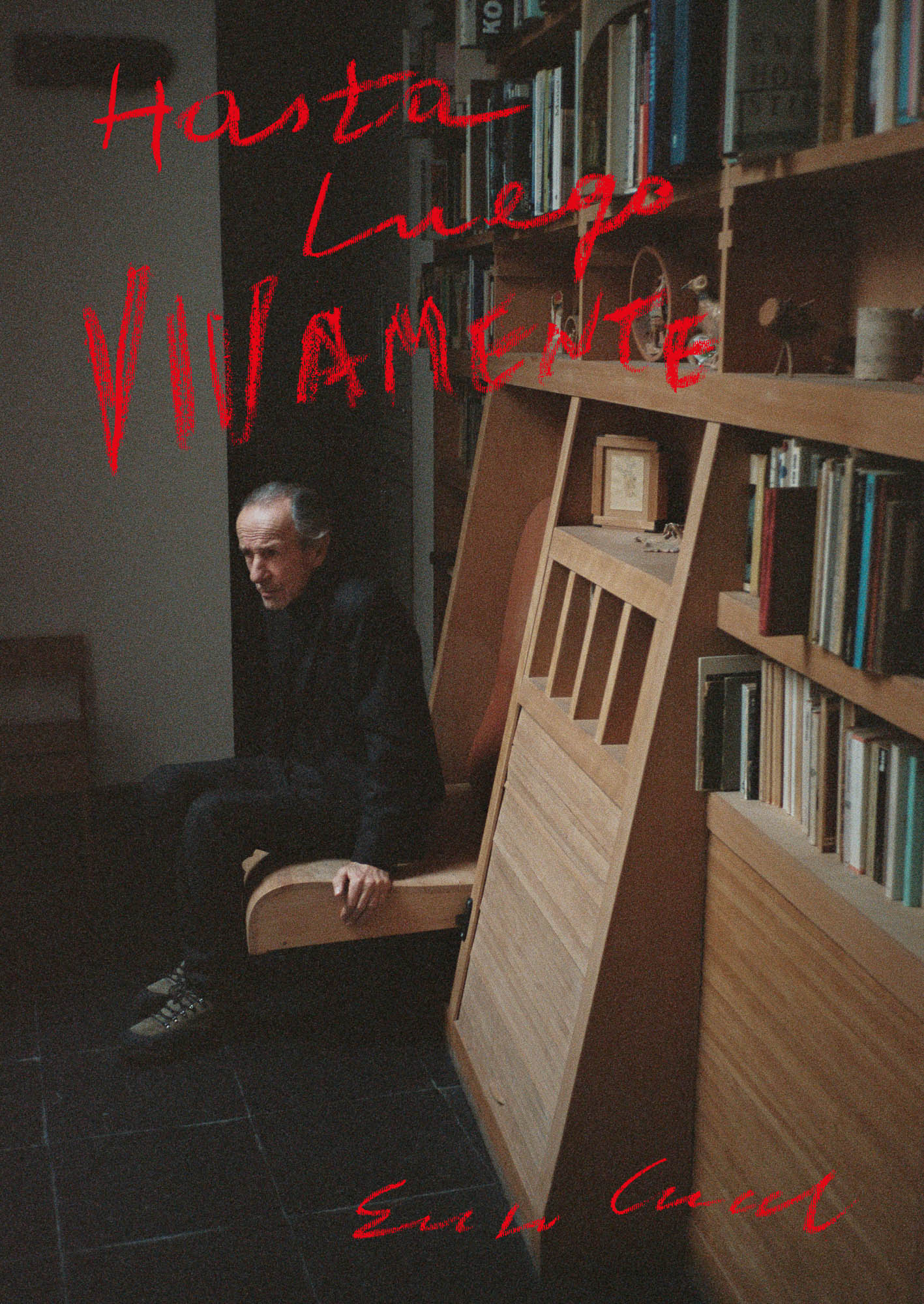
I remember a conversation I had over the phone with Enzo Cucchi for Studioli TV, a kind of dystopian documentary where we pretended to have a call in a future where Enzo had passed on. I asked him to talk about an imagined exhibit we had done together in a past that never happened. Even today, it seems like the perfect template for an interview with Enzo, where every word is an opportunity to push—‘to push backwards’, as he would say. 

Alessandro Cicoria (AC): Do you remember the exhibit we did at Studioli in ‘78-‘79, where we had to use cars to get there, and there were all of those potholes in the asphalt?

Enzo Cucchi (EC): Potholes…. You’re mistaken, we’re talking about Rome. They were not potholes, they were caverns, the kind we always wanted. Potholes are nothing, too small.

AC: Listen, where are you?

EC: In the cave…. Do you hear me? Alessandro? I can’t hear you.

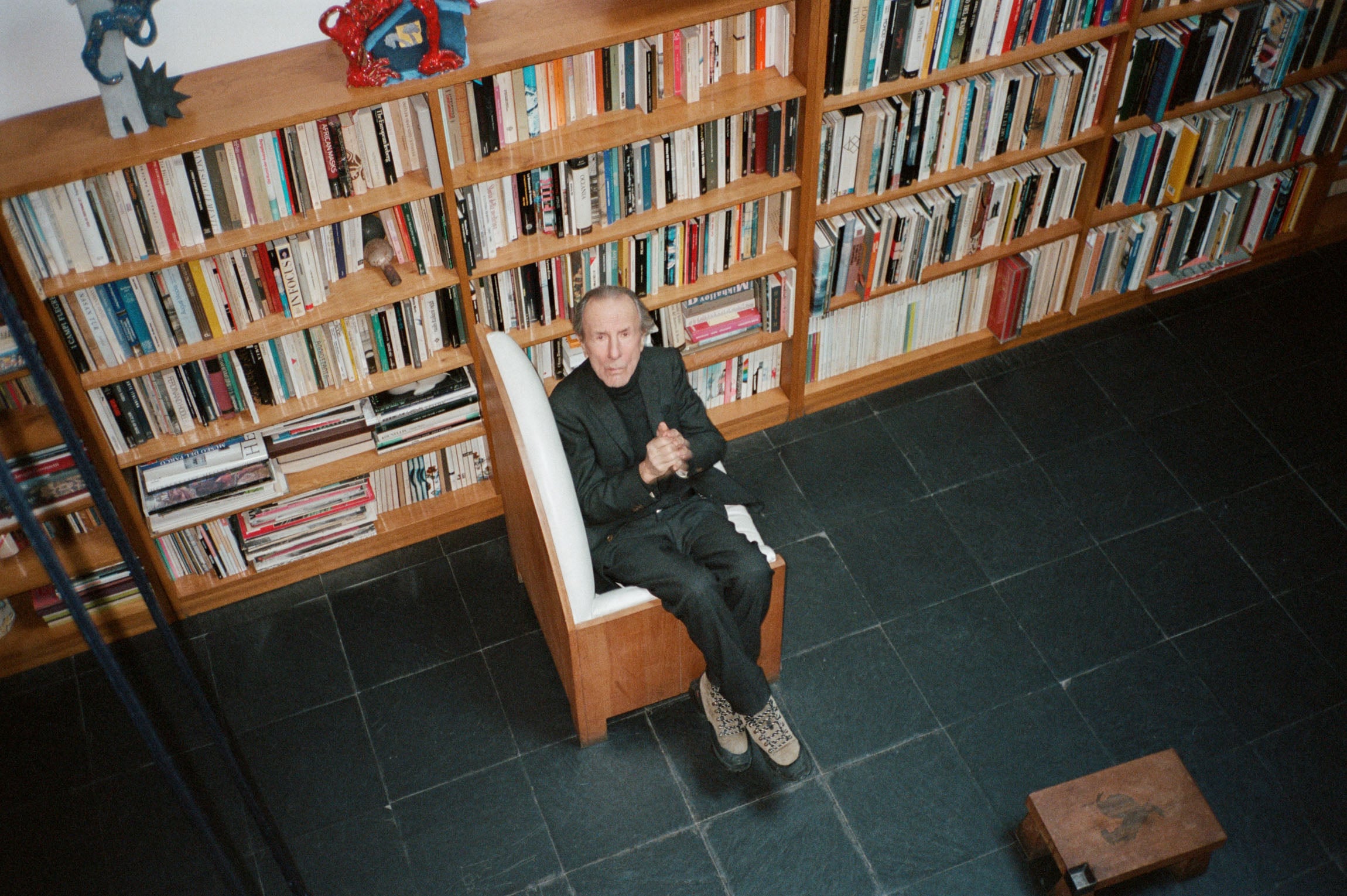
I think of Enzo as one of the youngest artists in Rome, due to his attitude and his ability to reinvent himself at every opportunity. In the late 1970s, he joined the Transavanguardia, an artistic movement which brought painting back to the centre of artistic practice. Enzo established himself as one of the leading figures of that era, exhibiting his work in major Italian and international institutions and galleries. His art is pictorial, sculptural, an installation, but always faithful to a pure and concrete poetic approach. For my generation, his presence in the city is symbolic, like a statue that you find on the street—a figure so central to the history of Rome that it becomes an integral part of it. 
Apartamento Magazine - A conversation with Enzo Cucchi for Apartamento magazine issue #37

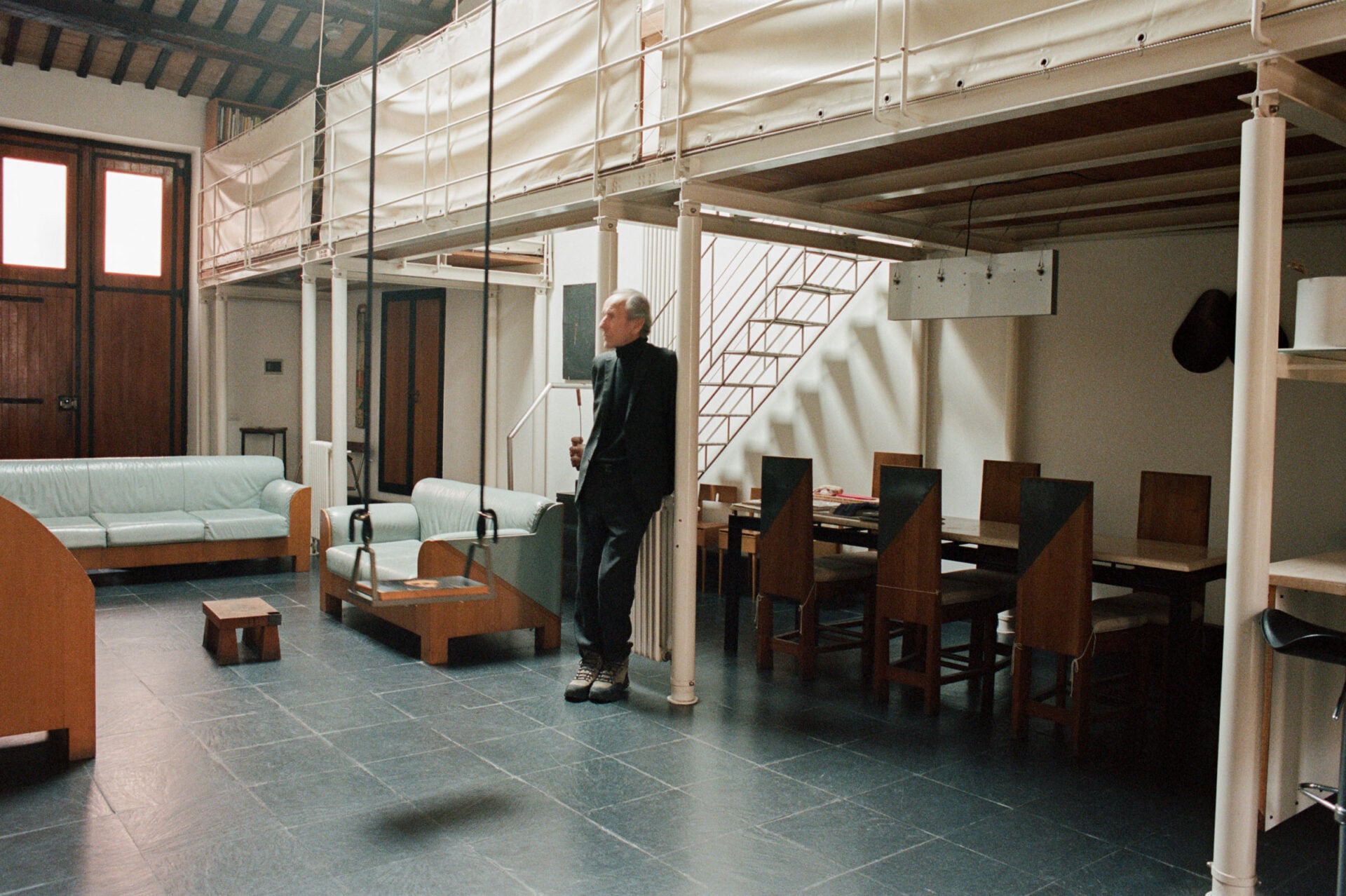
What did you find the first time you came to this house?

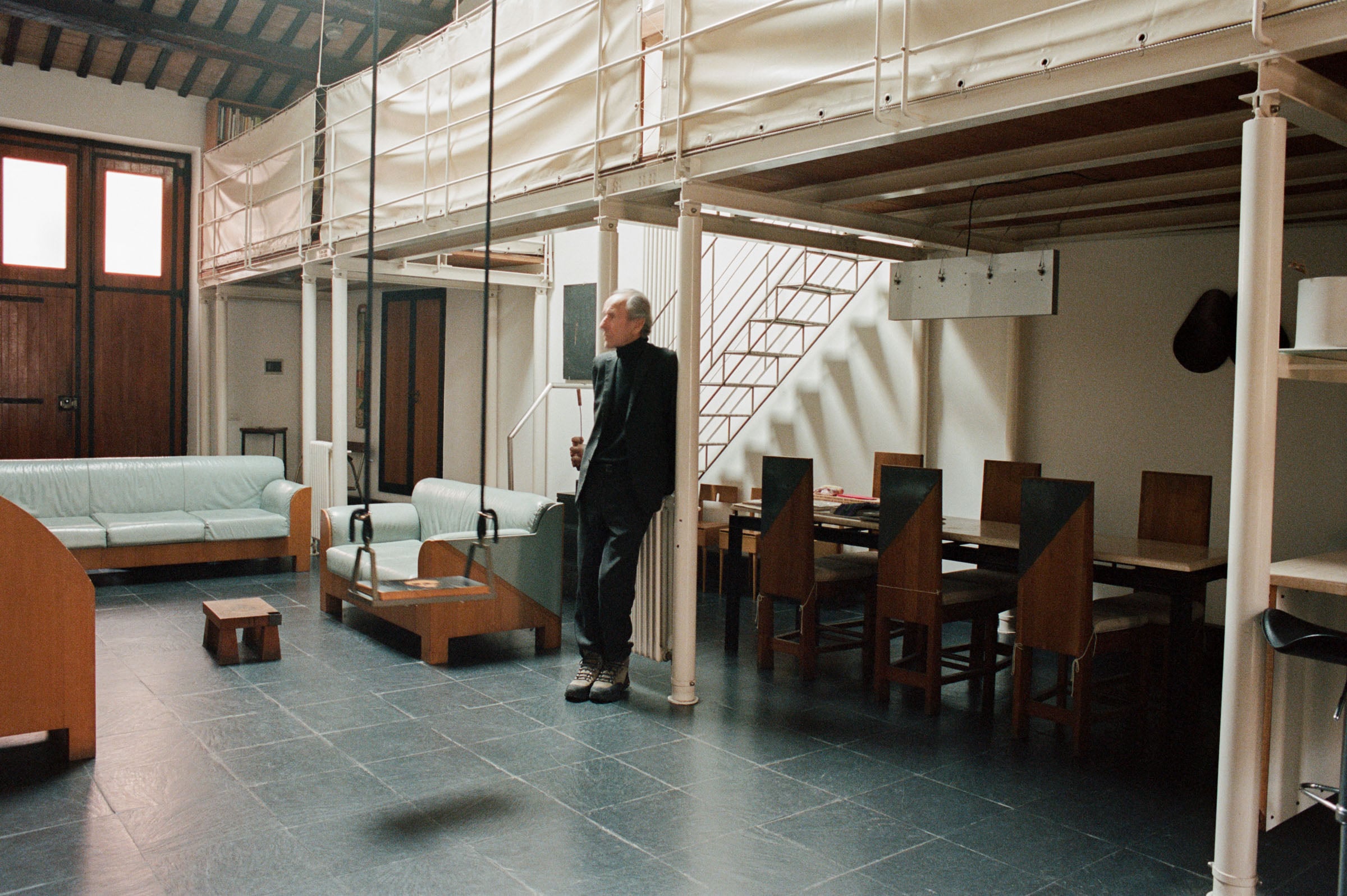
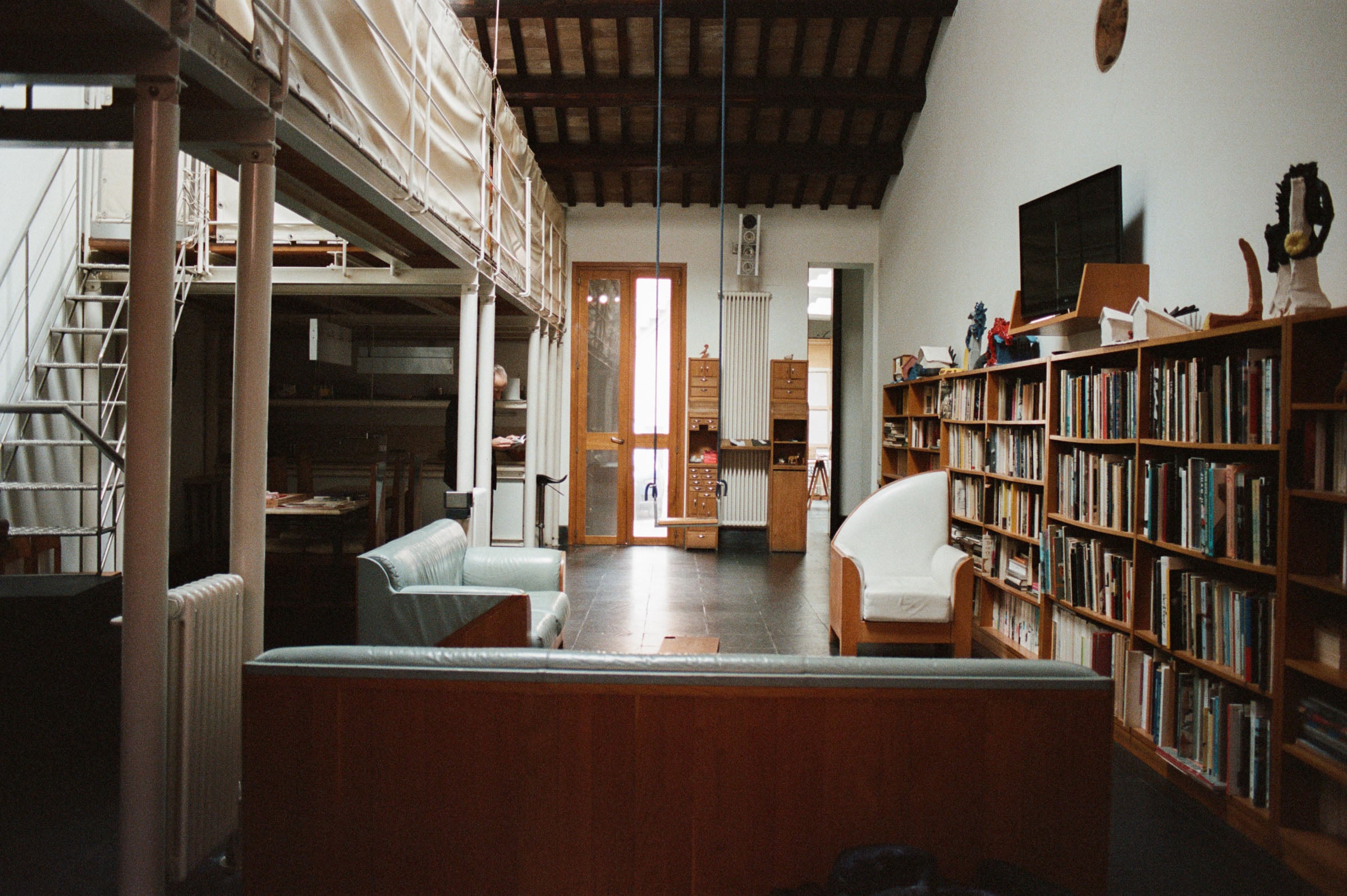
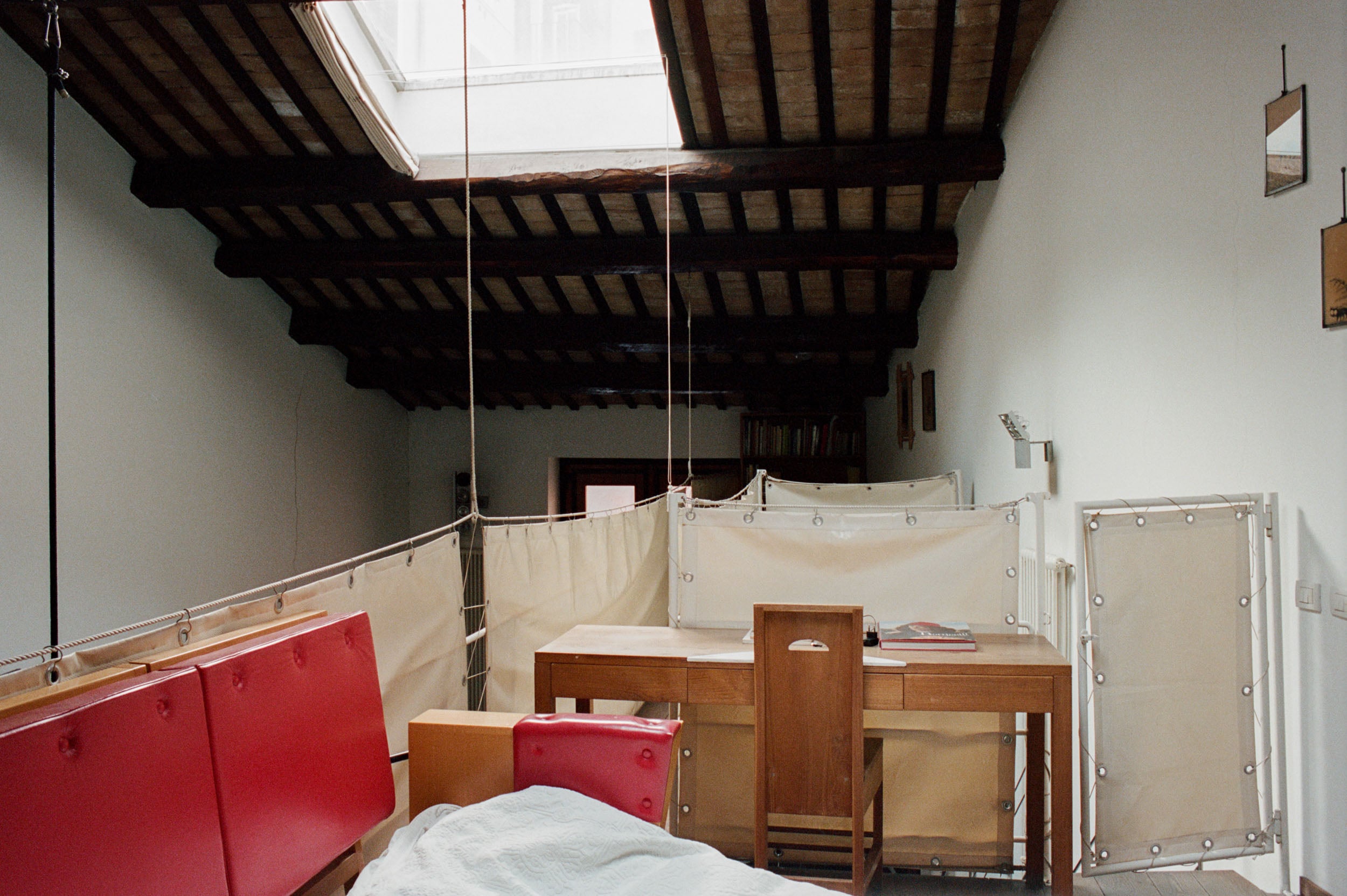
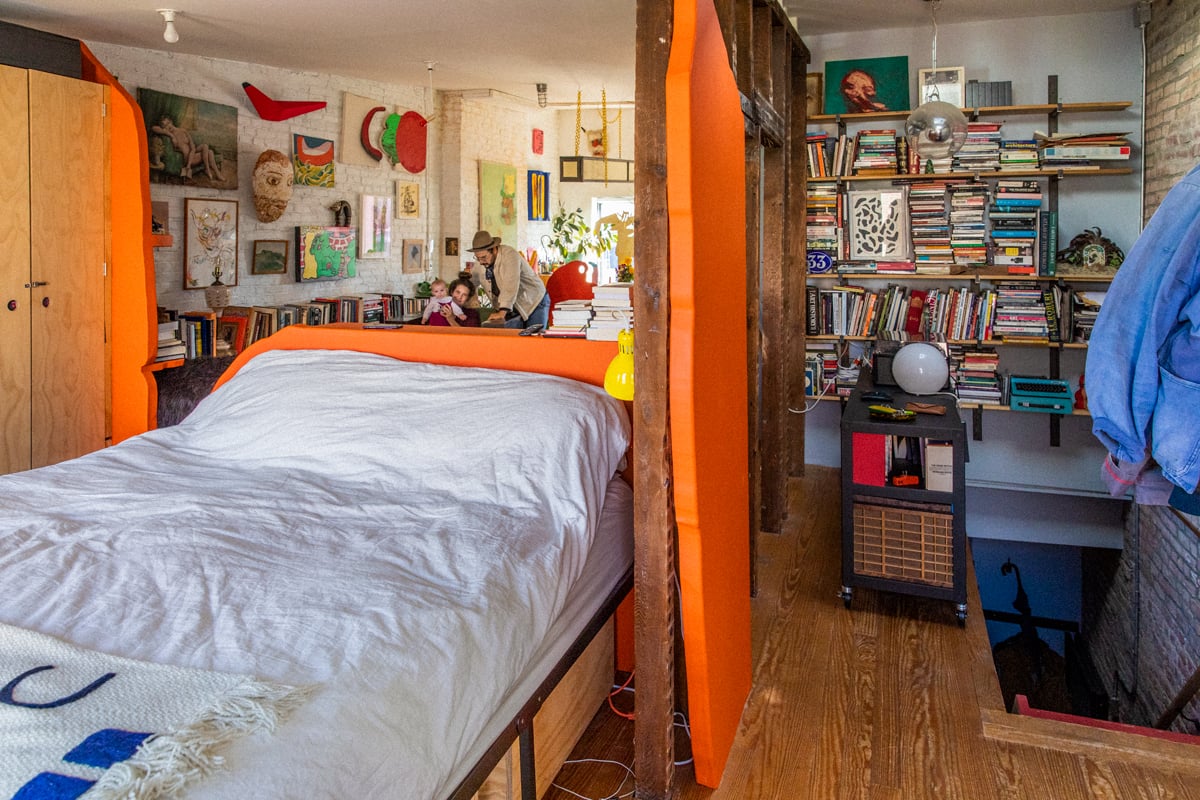
There wasn’t anything. There were holes underground, a bottomless pit. There was a crumbling woodworking shop. The structure that you see now is exactly the same from 40 years ago. It hasn’t been touched.

You designed the bed, the kitchen, the bookshelves, the bathrooms—no detail was left to chance, and all of it is in harmony with your style.

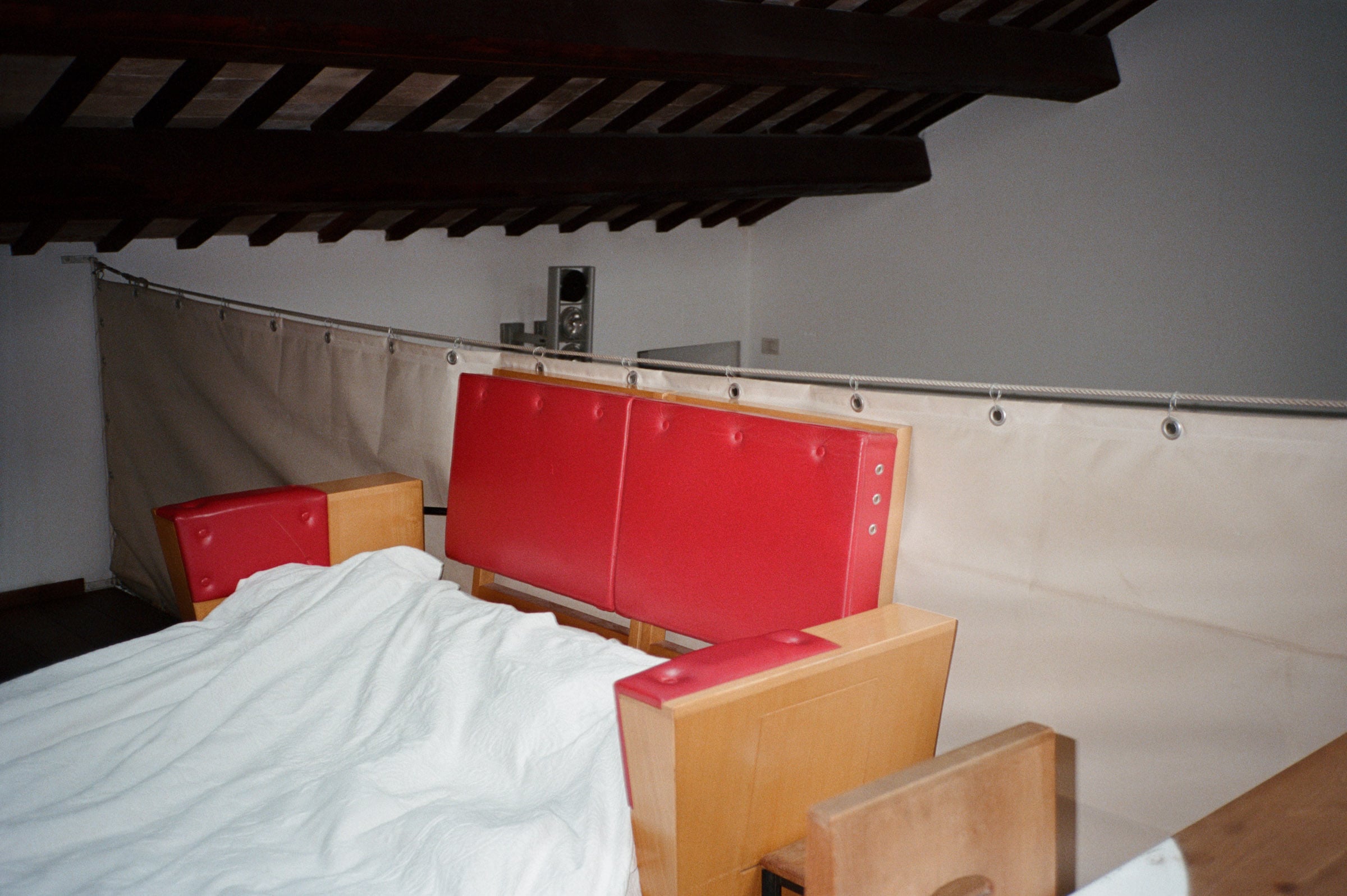
You call this design? I didn’t do anything on a structural level. When you take a formal element here—for example, this raised platform—I did it because I wanted to go up there and sleep. There’s simply a bed so I can rest.

But rather than chasing a specific design, it feels like your style came from instinct—shaped over time by the way you look at things.

Design has become delirious over the past few years. It’s made everything worse, unfortunately. I mean, design clings to fashion, fashion clings to design. Art doesn’t know what to do—it just sits there for a moment considering the challenges. It goes, ‘Huh’, thinks for a minute, and then it starts to get involved in these systems from 30 years ago, stuff that doesn’t have anything to do with art.

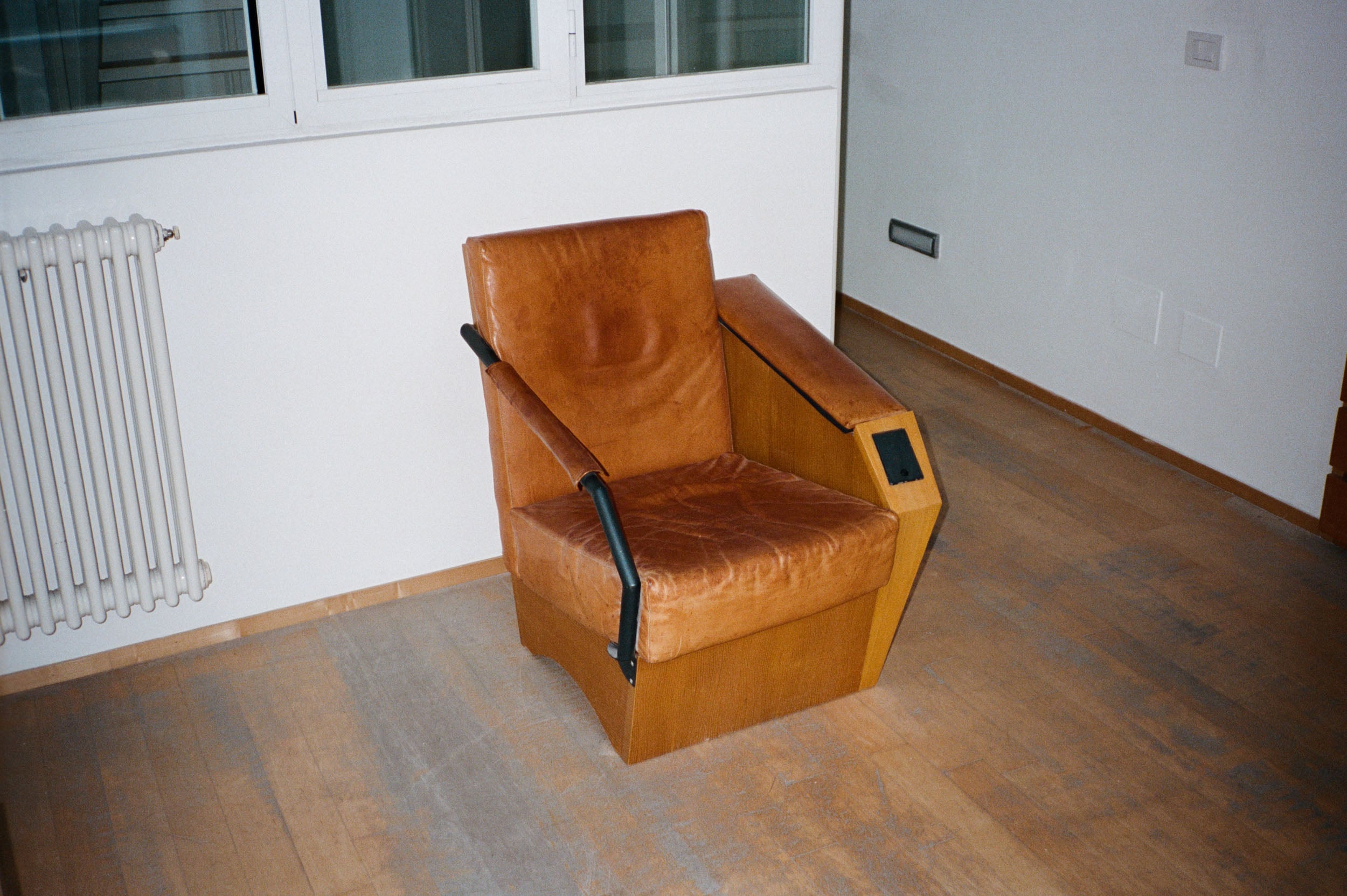
References aren’t necessary for certain things. You need a sofa to sit. I gave the woodworker a cutout of a shoebox—you know the kind from the past, the white ones that were very strong and rigid? I cut one of those boxes, gave him the dimensions, and the sofa was done.

Your study makes me think of your artist books. They feel as if they were conceived as objects, and inside of them there are these pieces that jut out. You can pull them out and push them in, like the drawers in furniture. It all seems playful and mysterious.

I appreciate your association, but I don’t think of them as mysterious things. If anything, they are playful, but they aren’t hiding places. They contain stuff so you can take out what you need when you need it, and you know where they are even if you don’t see them. A piece of furniture becomes a place of necessity, of protection. It’s just like putting something under the shade; you put it there because, if you don’t, it’ll get destroyed under the sun.

I make books to forget about them. I like the idea that they are objects to donate, not gifts for Easter or Christmas—I don’t like that approach. Books need to have some kind of heart, a heartbeat.

Apartamento Magazine - A conversation with Enzo Cucchi for Apartamento magazine issue #37

You started as a poet in the Marche, with written works. Today we find some form of poetry in all the titles of your artwork. They remind me of Sandro Penna and his brief texts that depict wider visions.

I am deeply passionate about poetry. But there’s a huge difference between being passionate and being a poet. I never thought of myself as a poet; it’s too difficult to be one. You have to be really good at it. And they’ll tell you if you are one—you can’t just call yourself a poet.

But you published poetry books.

That’s true. My poet friends were generous, in that they sometimes allowed these things. Maybe a friend published a book with some writings, as you say, but it was their decision. I feel the need to say this. It wasn’t my decision. Actually, I always recommended against it.

When Ida Gianelli collected all of my writings for the Castello di Rivoli and made a little book called Cucchi—that was her decision. She said to me, ‘Enzo, do I have your permission to do this?’ Well, sure, you’re free to do what you want.

I like to think of the first drawing an artist makes as something instinctive and necessary, a way of speaking before words exist.

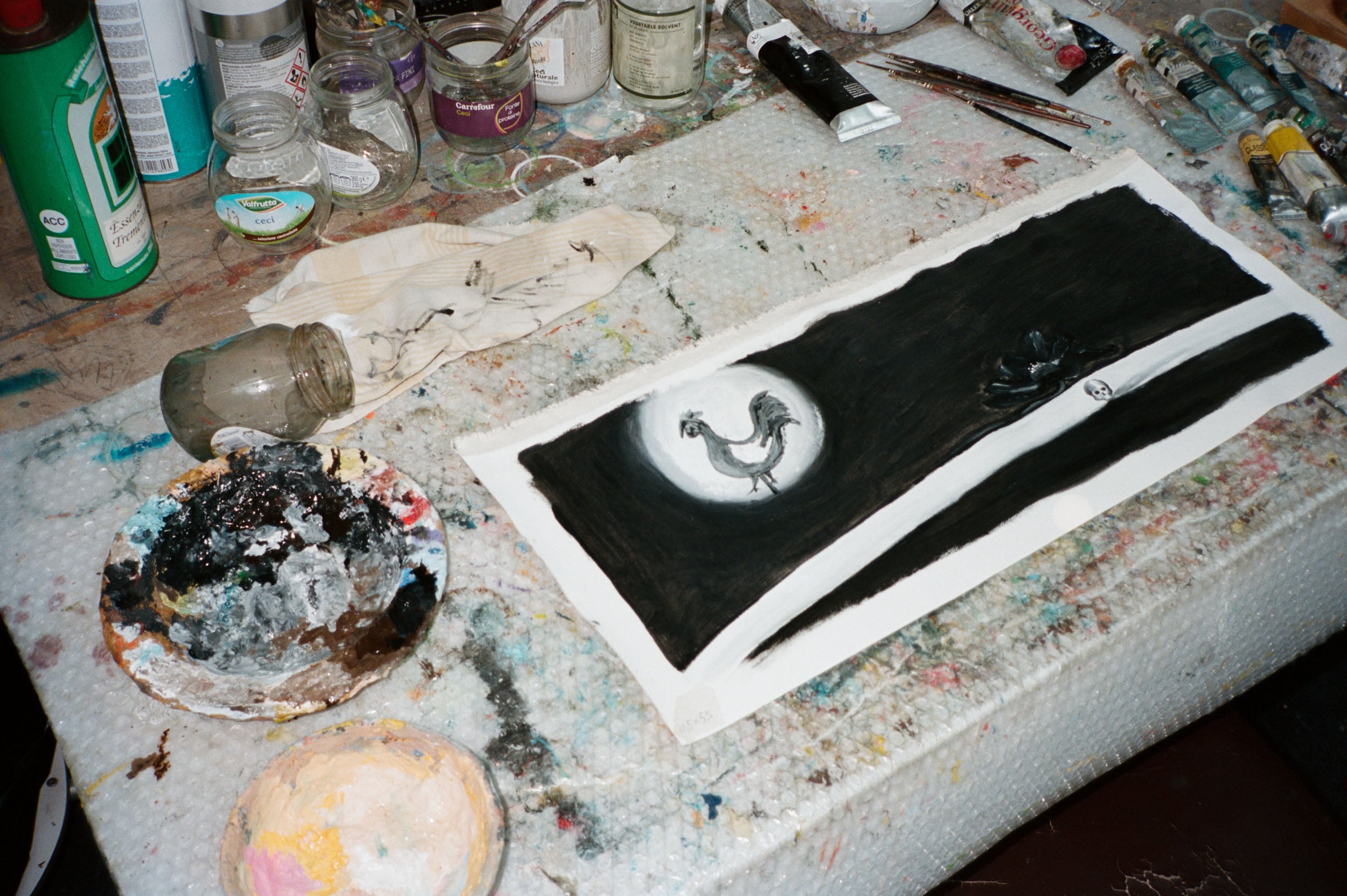
A drawing is an idea of the day. It’s just a natural thing for me. You do it as a kid, whether you’re aware of it or not, and then keep going with it. As an adult, drawing is a type of responsibility. It’s a way of knowing something, because otherwise it’s just illustration work. 

For me, drawing is the origin of everything, even painting. Drawing reveals a person’s character; you can tell by the way someone brings pencil to paper if they have authority or not. The drawing bears the signs. That can’t be manipulated, but as such, it corresponds to the most difficult action imaginable. Drawing as an autonomous form of art requires a lot of character.

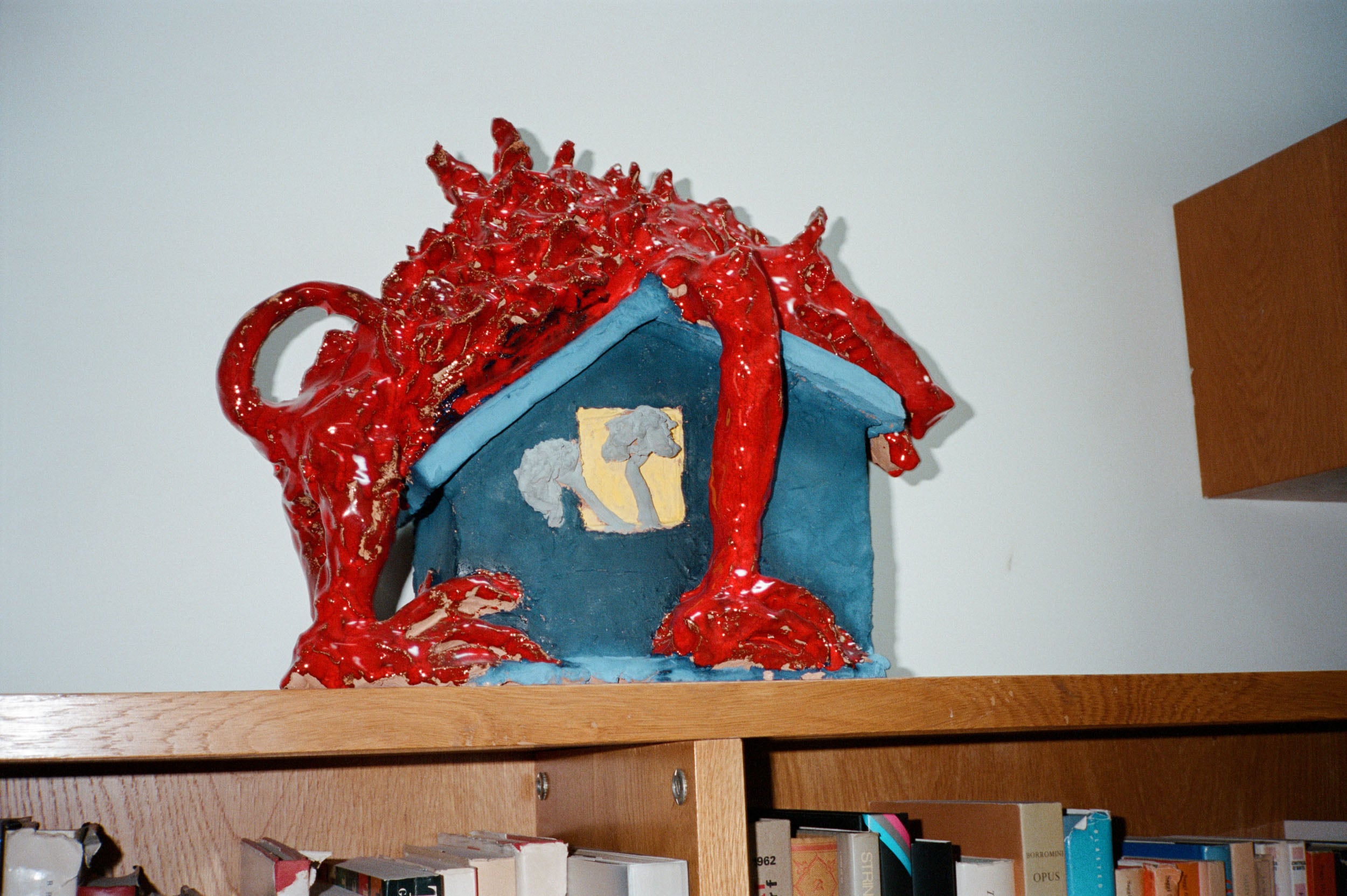
Your house here is full of symbolic objects, like this little ceramic rooster, which is similar to the one you gifted me for Studioli. We also see it in your painting, Gallo Barbarico. There’s a strong symbolism tied to the agricultural world and your roots.

The rooster brings good luck, and it’s a symbol that the entire world knows—it’s everyone’s origin. The rooster’s role is to protect the house. In houses in the countryside, there’s always a ceramic tile with a rooster painted on it attached to the wall. It’s an archaic thing that we still carry.

Apartamento Magazine - A conversation with Enzo Cucchi for Apartamento magazine issue #37

You came to Rome from the Marche in the 1970s. Supposedly, they were the legendary years. How would you describe them?

If you’re asking me for a memory from those years, my friendship with Sandro Chia is one of the most sincere, brightest highlights. We worked together side by side. We were like a tribe. The rest you can find published everywhere.

You got your debut in Rome in 1977 at the Incontri Internazionali d’Arte with the drawing Ritratto di casa. Home is a recurring theme in your work. To live in a space made in your own image is more than practical—it shields you from the outside world.

No, it’s exactly the opposite. The house adapts to the body and to your habits. I created this space out of necessity. I prefer to spend the least amount of time here possible. I prefer to live outside, brushing past the walls before I go out for a walk. If anything, I want to make it so that those who visit from the outside feel at ease. If they come, even for a moment, I want them to feel comfortable.

There’s more than just painting in your work. Even today, you collaborate with goldsmiths, marble workers, ceramicists, and textile workers. In Rome, we’re lucky that these craftsmen and their skills are still around.

This area used to be full of artisans, including the courtyard here in front of my door. It used to be full of artist studios and shops, but now there’s nothing. All of these different buildings have become homes and hotels for tourists. A few scattered gems still exist across the city, artisans I always work with to create parts of my pieces. Before, there were artisans in every small town or city in the province. They worked together because it was necessary; it was fundamental to give everyone a hand because of extreme poverty. All of this disappeared, it isn’t here anymore. But in reality, Rome is a city with many layers of provinces put together, like the biggest, grandest sandwich in the world. What are those American sandwiches called? 

Hamburgers?

We make hamburgers out of the real world, like a sandwich of seven layers. What does a sandwich with seven layers even mean? It means that underneath it all, there are seven Romes. There isn’t another city in the world with this quality. It’s a sacred thing. We walk in a sacred place.

Apartamento Magazine - A conversation with Enzo Cucchi for Apartamento magazine issue #37

Speaking of walking, during the past few rainy days, there have been so many sinkholes, bottomless pits, fallen trees—the streets are a complete mess. The fact that Rome is a complex and problematic city could in some way help protect it from mass tourism.

I don’t think it’s possible to change Rome. Keep in mind that whoever comes to Rome dies. Take that into consideration. They die in a good sense: To die means to live, and as you live, you pay your dues to death. Here, you can properly die because you are truly living.

Recently at MACRO, the Museum of Contemporary Art in Rome, there was an exhibition about Roman artists in which I participated. You told me you decided not to take part because you didn’t agree with carrying on this kind of thematic show.

Rome doesn’t owe anybody anything. Rome should only be courted. And there’s no such thing as Roman artists. There are only artists, period. What does ‘Roman artist’ even mean? Is that a way to salute Rome? It’s like a noise, an echo, ‘Oooo, aaaa, eee’. You are using artists to receive something in return. 

Of course I was invited—do you know how many exhibits I did dedicated to Rome? The first exhibit I did on Rome was called Giulio Cesare Roma at the Stedelijk Museum. Then another was in New York at the Sperone Westwater. I must’ve done, I don’t know, three or four exhibits just about Rome, but always outside of the city.

Here in Rome, we are surrounded by the best classical paintings in the world, but your favourite painter, Piero della Francesca, is missing. 

Keep in mind that what we know of the so-called Piero della Francesca isn’t even a third of a third of what he did, because many of his paintings have been destroyed. There are so many things we don’t know about him or his work. How is that even possible? For 200, 300 years, historians called him a minor painter because they don’t understand shit. 

I was struck by the composition of one of his unfinished paintings, The Nativity, but even more by the chalky pallor of the angels’ faces, depicted more as beings risen from the underworld than sent from heaven.

But he’s the most secular of them all! He’s the most secular creature that we know of. Even the biggest and most infinite artists, like Masaccio—a monster of greatness—clearly know how to pull from nature, from the sky. Masaccio knows how to get inspiration from feelings. He knows how to pull from things of the earth, from emotion. Instead, Piero is cold, without emotion, which makes you think, but where does he come from? After you look at his art, you wonder, what is artificial intelligence in comparison? It’s impossible to imagine something more artificial than Piero’s secularism. 

Apartamento Magazine - A conversation with Enzo Cucchi for Apartamento magazine issue #37

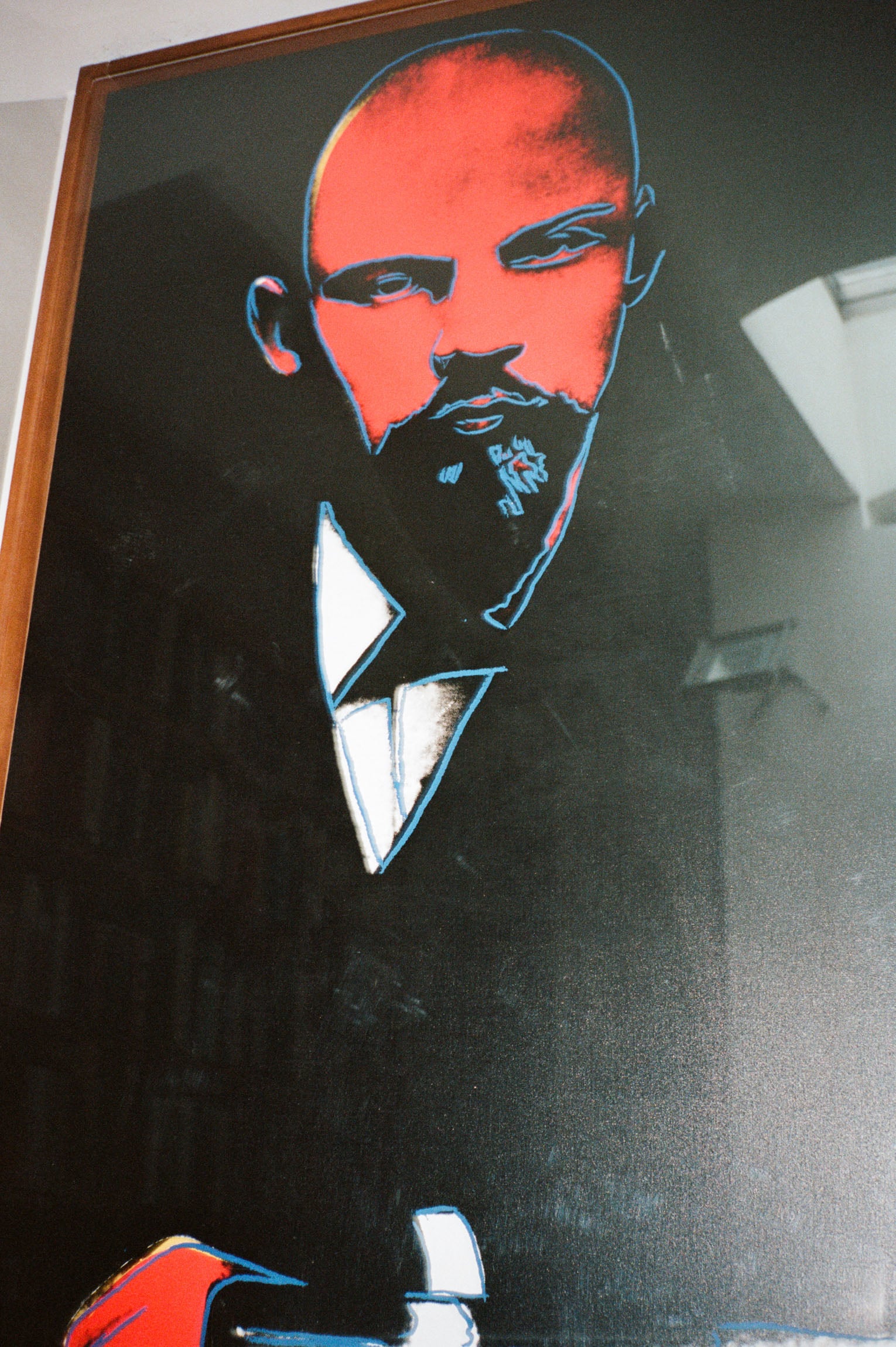
There are so many artworks here, though, like this ceramic piece by Lucio Fontana. There’s work by Alex Katz, Alighiero Boetti, the portrait of Lenin by Andy Warhol. 

The Lenin portrait by Warhol is famous! It all started with this gorgeous photo of Lenin that I saw at Casa del Popolo in Largo Preneste, where I would go regularly to work with Claudio di Giambattista, the art conservationist. One day, I went to the Casa del Popolo and saw a photo in black and white, a photo of a group with Lenin in the centre. You have to imagine that this was a small printed card, like a prayer card that you put in your pocket and take with you.

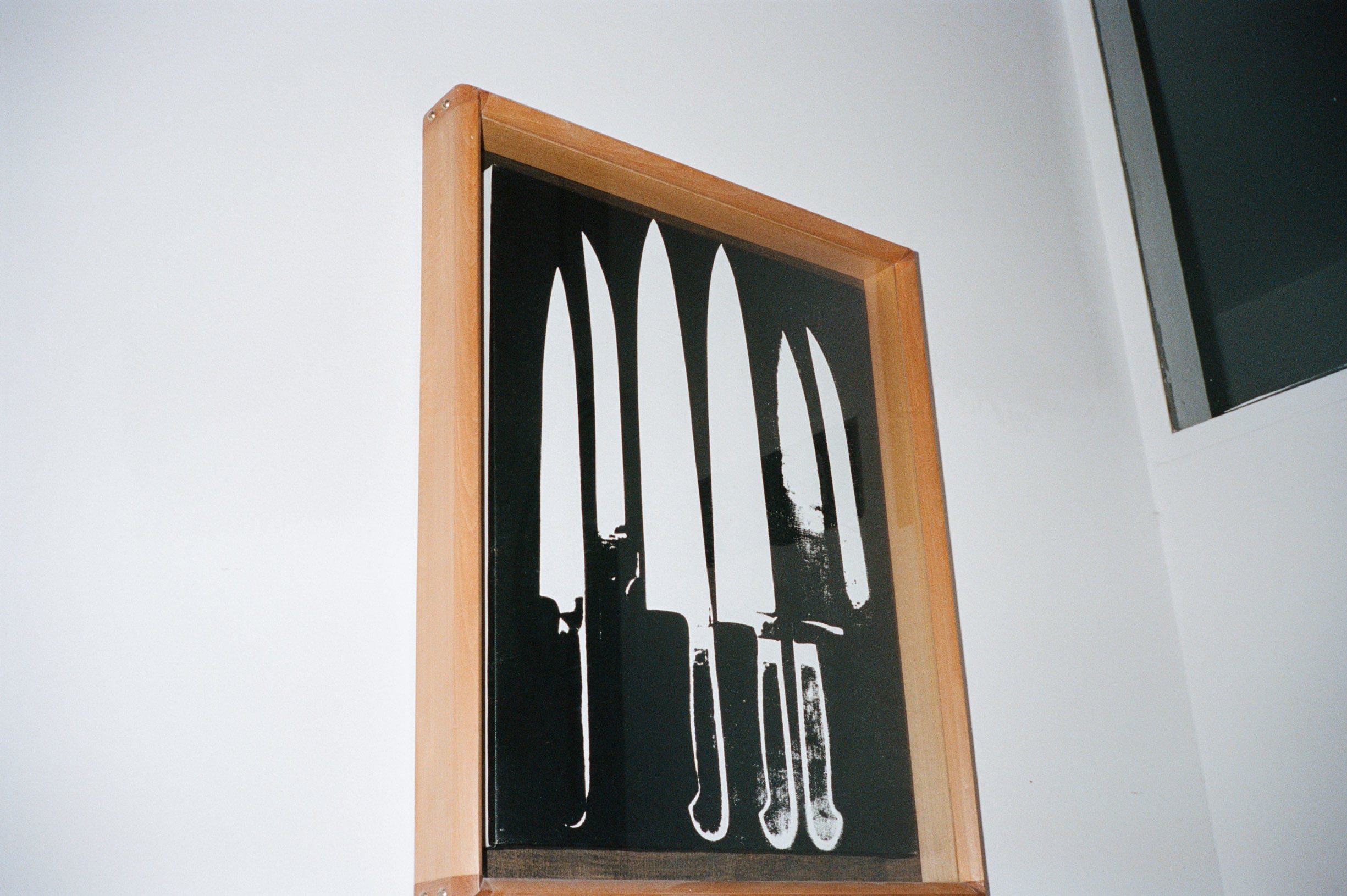
One day, Andy Warhol and Bruno Bischofberger came to Rome. They saw the little picture of Lenin in my studio. After a bit of time, Andy asked if he could take it because he wanted to use it for his own work, similar to what he did with Mao. Shortly after, Andy died, and the painting arrived to me for free. It was a kind gesture from him. This other piece, Knives, was done by Warhol with Bruno Bischofberger. Andy wanted one of my paintings and got it from Bruno, and he left Bruno this artwork for me. Then this artwork became the cover of one of the first editions of the book Gomorrah by Roberto Saviano. This piece has been here for 40 years.

In the corridor that separates the salon from your library and studio, there’s a white table with two black suitcases on top.

Ettore Sottsass gave me that table. He said, ‘This is the table to put your suitcases on’.

You and Ettore Sottsass had a partnership based in a strong respect. You’ve done many exhibits and projects together, like I Disuguali from 2001, a series of painted ceramics.

With Ettore, we didn’t really think of our work as a project. We accepted whatever came out of our time together as a necessary thing. The tables for I Disuguali started like this, not as pages but as something to touch. We chose words that are never still: ozio, lire, coda, figa. Not to be provocative, but because they are words that have been around a long time, predating judgement and artistic style. 

Ettore knew how to shape words without domesticating them. I just dirtied them up. I let them go. We never corrected each other. The small wooden boards didn’t have to explain anything. They were a little magazine made of earth—an unequal thing, that’s it.

Apartamento Magazine - A conversation with Enzo Cucchi for Apartamento magazine issue #37

I recently flipped through an old edition of SIX magazine from the ‘90s. You’re in it, next to your drawings, wearing outfits by Comme des Garçons Homme Plus. The juxtaposition was surprising, in a way. I also think about your collection of clothes, jackets, and shoes, tailor-made to fit. I’ve always been fascinated by your approach to fashion, seeing it as a creative act or an extension of your work.

For me, an outfit is like a surface, like a wall. It’s a place where imagery can happen. With Rei Kawakubo and with SIX, there was an immediate understanding. I brought the vision, they brought the bodies and the structure. When you put everything together, something was born that didn’t exclusively belong to anyone. I was interested in playing around with a sign inside a system that wasn’t a painting. Fashion has a different velocity than art, but also a similar fragility. I’m not thinking about it in terms of form. I think of images that are looking for a place to stay. Sometimes that place is a cloth, or a page, or an outfit.

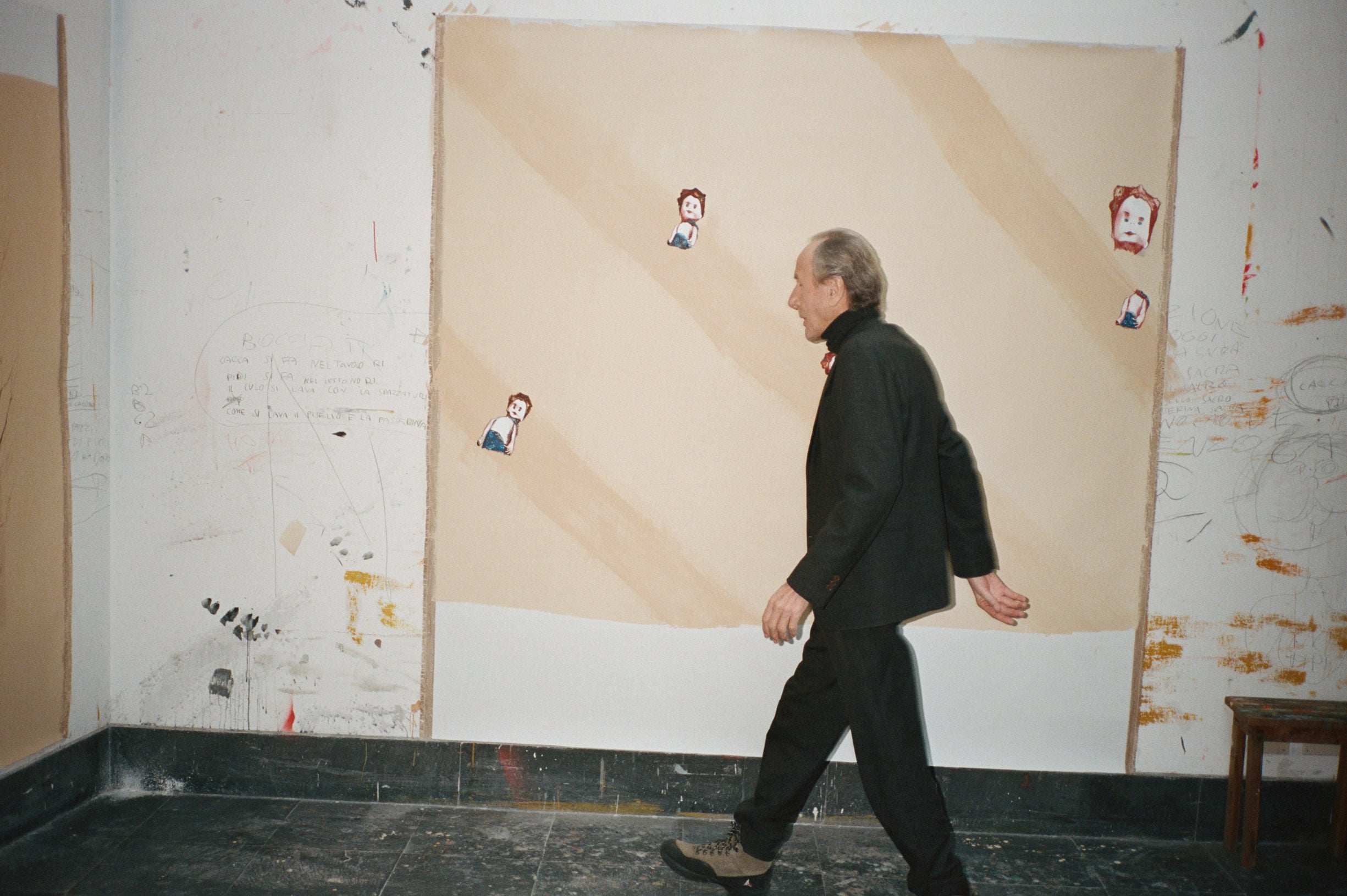
I see new art pieces here—unfinished sculptures and little notes for new artworks. What are you working on now?

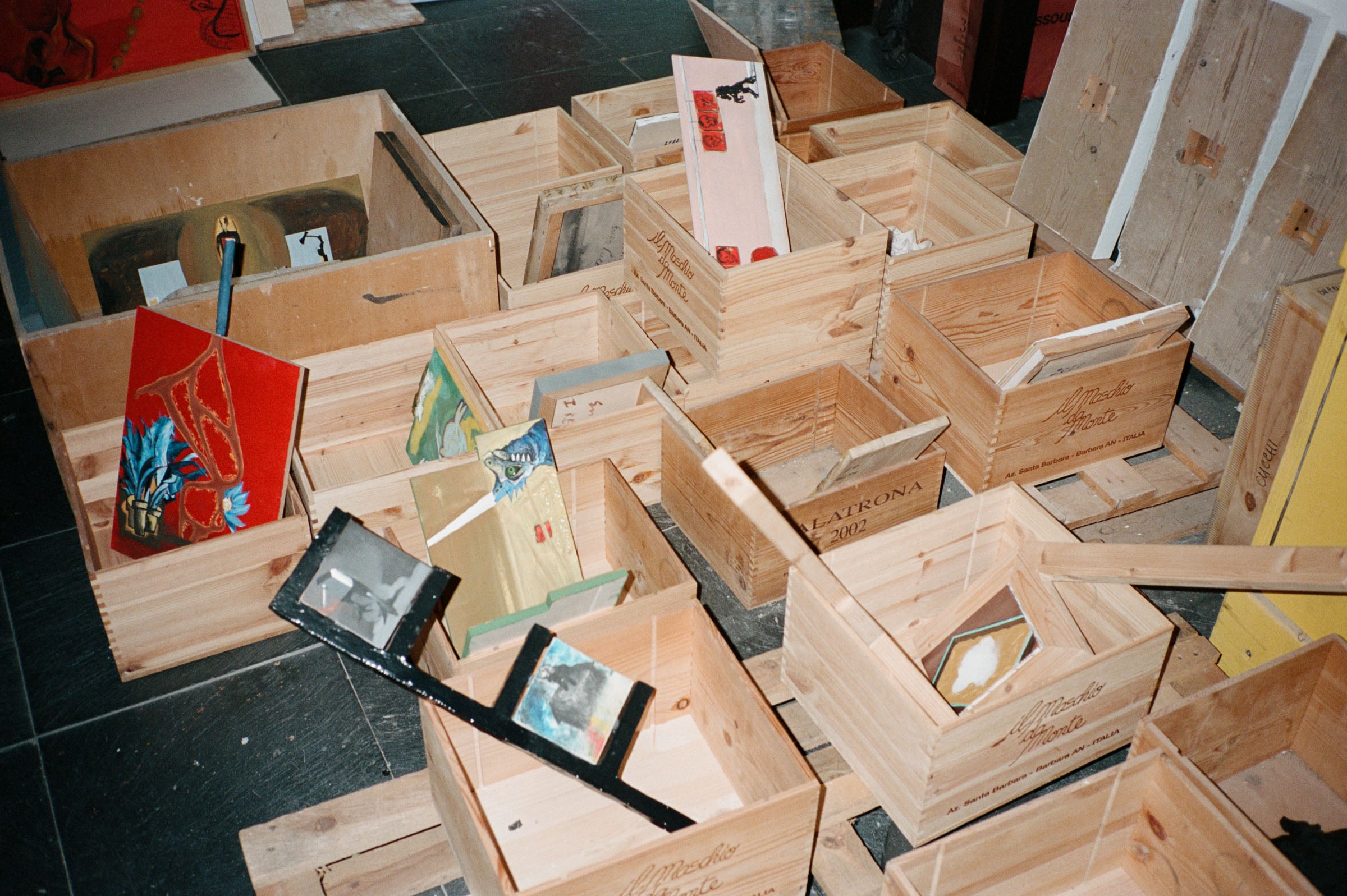
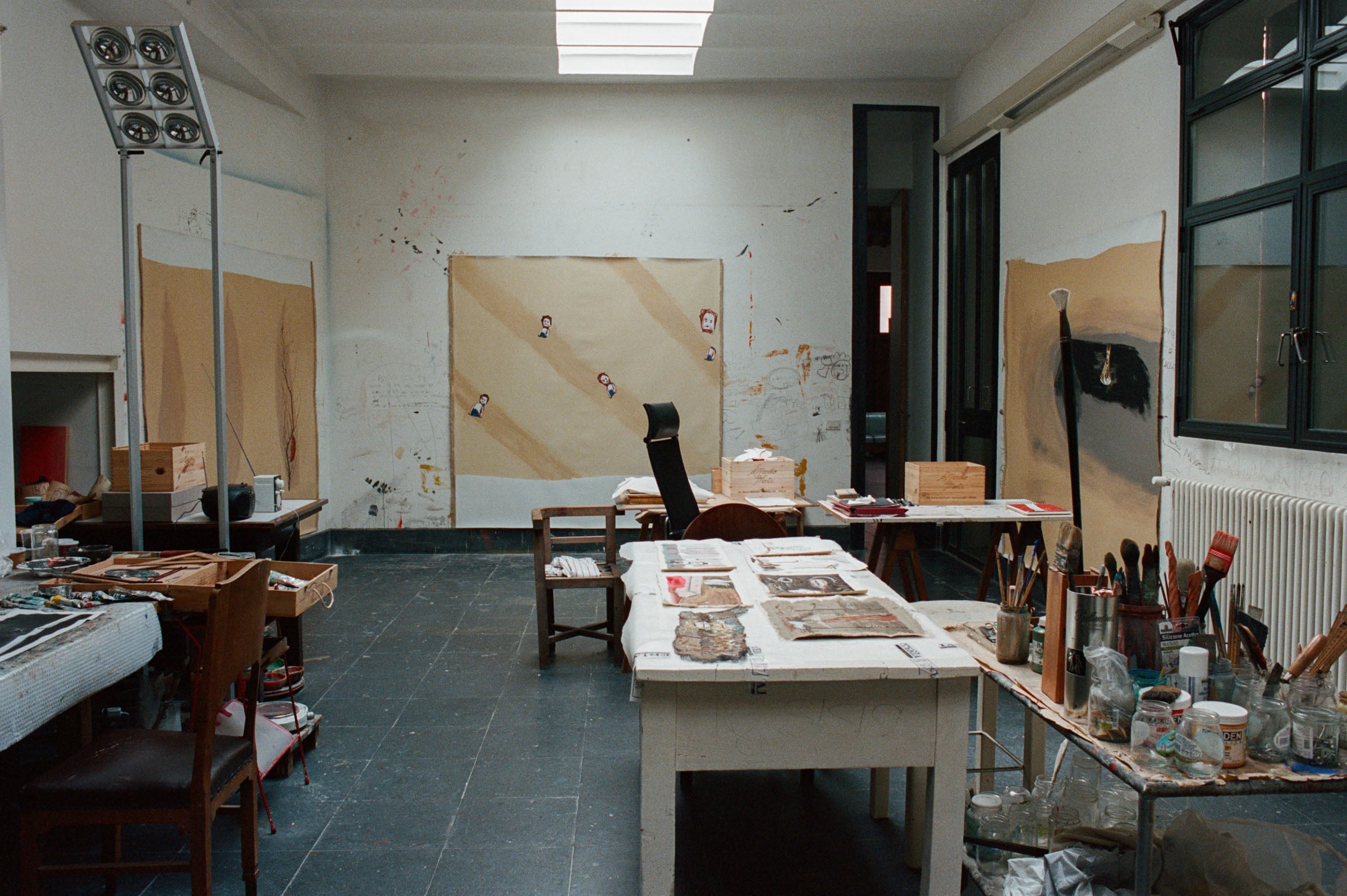
You see these huge canvases? They seem as if they’re unfinished because you can see part of the canvas, when in reality they’re done. The signifier of the blank canvas will be there, the same way a trail of light is like a heat wave that arrives silently. The work revolves around a thing or a concept I’ve obsessed over. Look at these new pieces here, the wood mounted on the canvas. I made these while I waited for some pieces of iron that never arrived. These works here are canvas inserted into ceramics. And you see these violet blocks here? They are like gems, but you can’t fully discern the material. All of this stuff was born to clear out my head.

You often said that method comes from everyday life. ‘Drawing every day, even when (especially when) the head is completely empty, it is necessary’.

You need to empty your mind, clean out the brain. You can’t arrive to the studio with problems. Every day is the same: I start alone in the early afternoon, I sit here, and then move forward. This is process. But in reality, I work a lot during the night, in bed. I do most of the work when I’m half asleep. The execution is the final step.

Are you planning any upcoming exhibitions?

Typically, I work for myself. Everything I do is for myself, not for exhibitions. I have always only done what I felt was urgent and necessary. A work of art should exist only if it’s necessary.

In March, I will have an exhibition at the Nuhad Es-Said Pavilion for Culture in Beirut. There is a beautiful room in the museum, and the curator, Muriel Asmar, has a completely different temperament compared to the typical Western mindset, a truer approach. In Rome, we put together an old project from 15 years ago, a bronze fountain in Piazza della Moretta, for a new restoration project. It’s going to be the ideal fountain.

Apartamento Magazine - A conversation with Enzo Cucchi for Apartamento magazine issue #37

Researching your interviews, I found a review from the New York Times that was against your exhibit at the Guggenheim Museum in New York in 1986. How did that exhibit go?

I think I was very fortunate. It was an exhibit with many small drawings, but that’s very normal for me. Fairly enough, they massacred me, but that’s a different world. All they wanted were massive paintings. They were trying to push me to do that. At the time, the curator told me to display all the collector paintings—those of the trustees, those that fund the museum. But I don’t care about any of that. I didn’t know about these dynamics. I was young, and I wanted to participate in an exhibit, like I had always done. The exhibition director protected me. He said, ‘Keep your head up, and don’t worry about it’. By accident, I made the largest museum in the world go into crisis—this is a small, laughable thing.

Exhibits need to be done by artists, otherwise they become instruments for other things. Things have changed since artists have no longer been at the centre of this process; galleries and museums have levelled everything. We’ve lost the ritual of doing exhibitions on our own. Making art is a huge responsibility—it’s not a game.

Once you said, ‘Nobody looks at art the way a cat does’. 

Apartamento Magazine - A conversation with Enzo Cucchi for Apartamento magazine issue #37
The product is being added to cart!
Apartamento Magazine
Privacy Overview

This website uses cookies so that we can provide you with the best user experience possible. Cookie information is stored in your browser and performs functions such as recognising you when you return to our website and helping our team to understand which sections of the website you find most interesting and useful.