
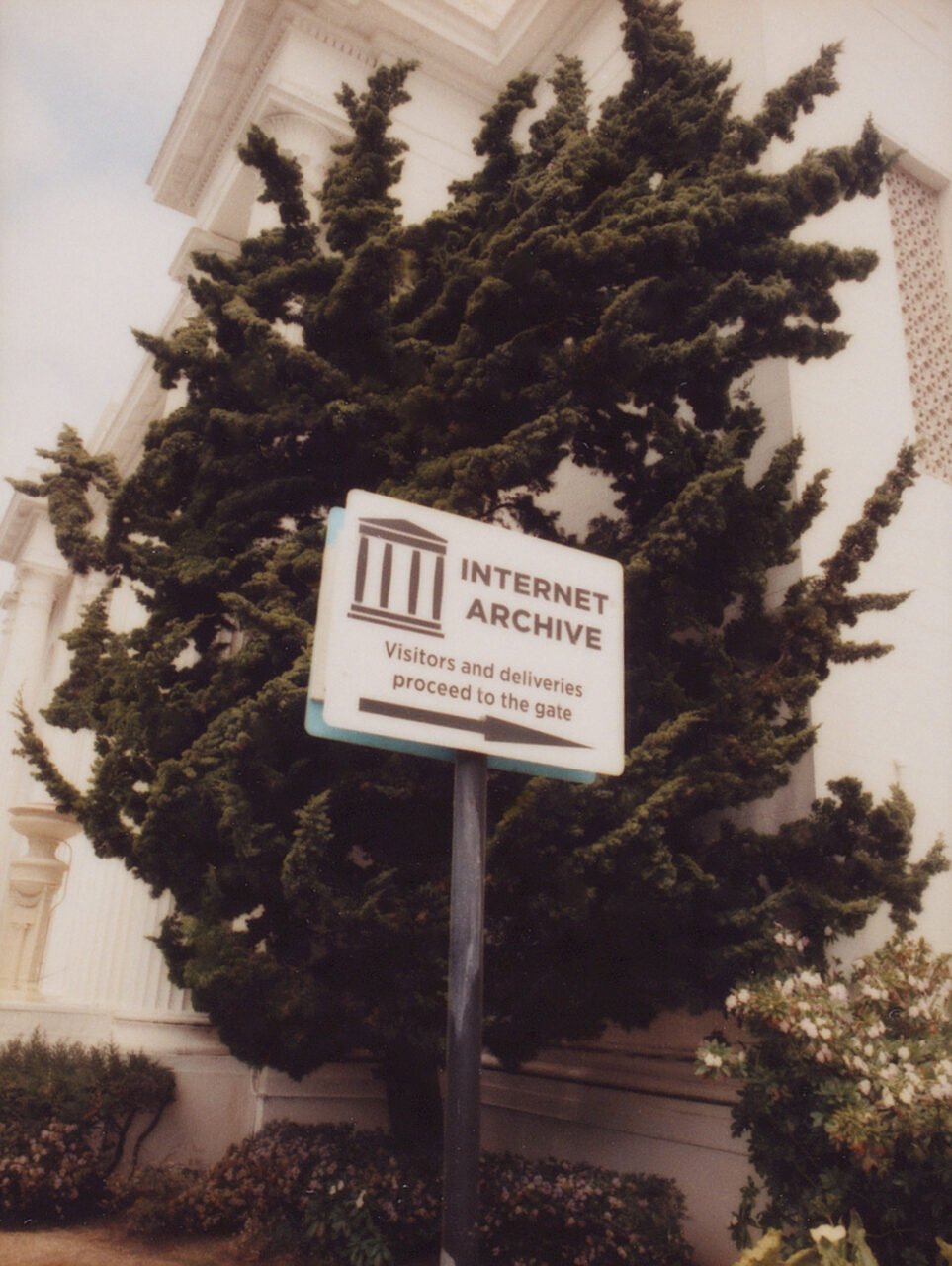
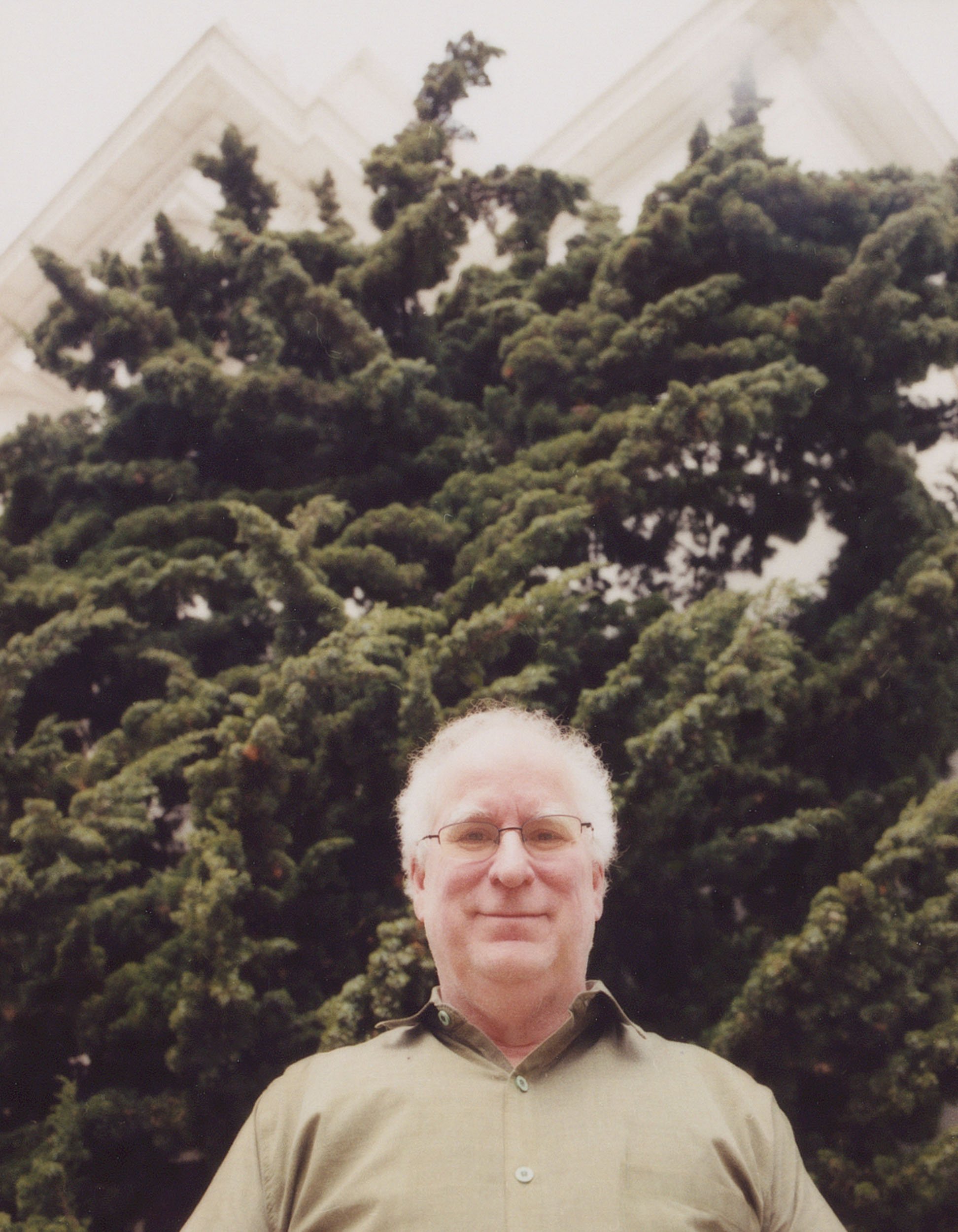
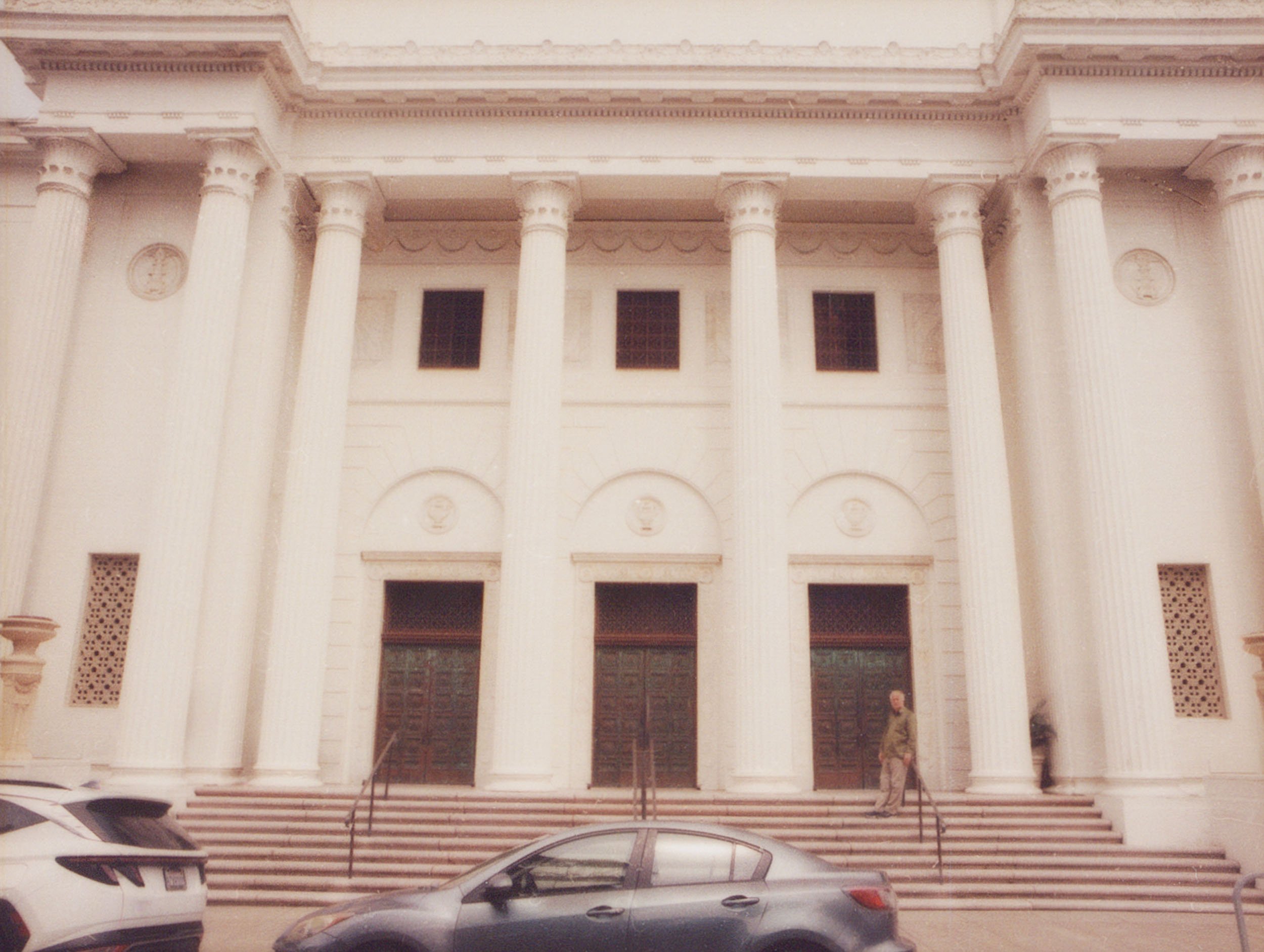
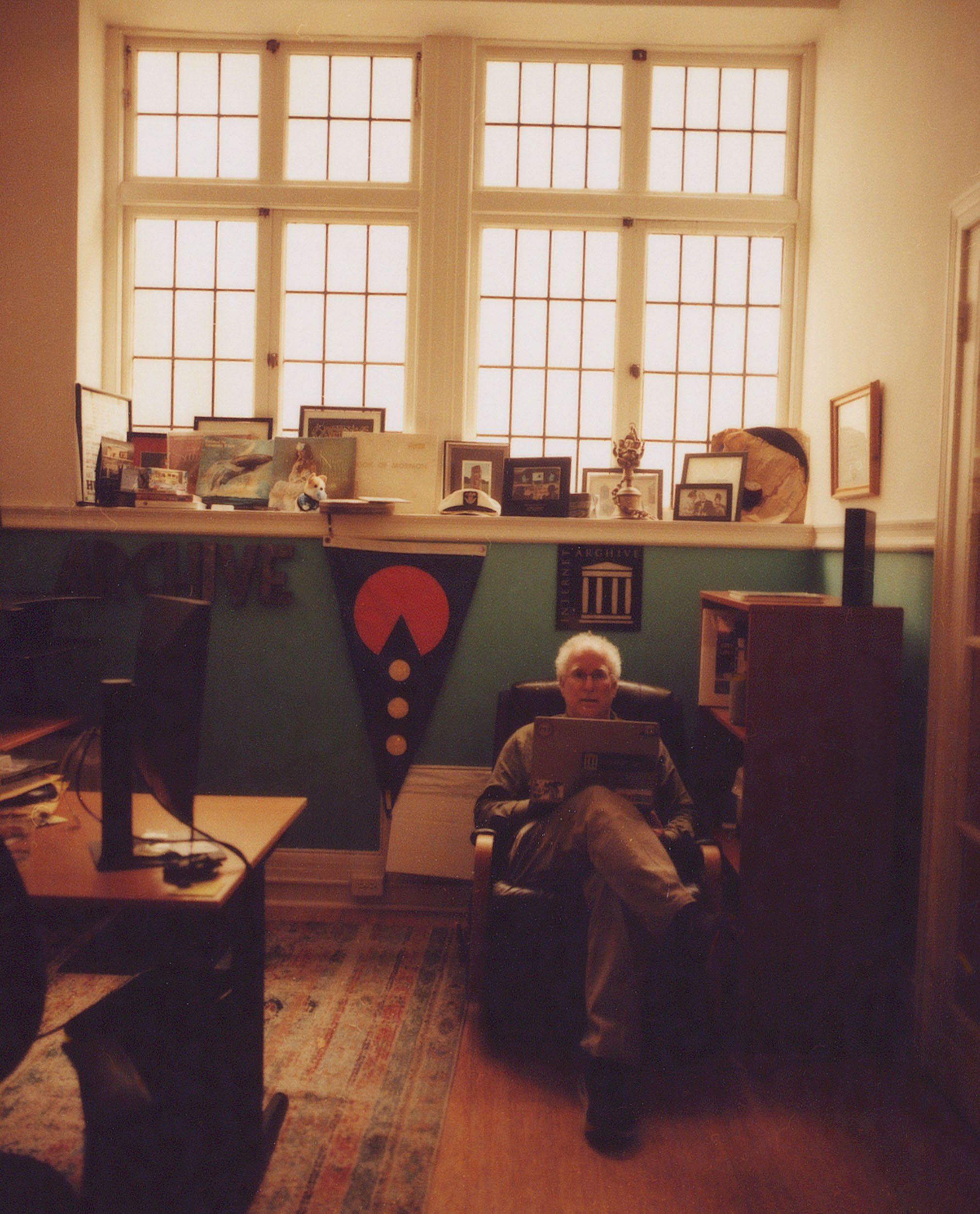
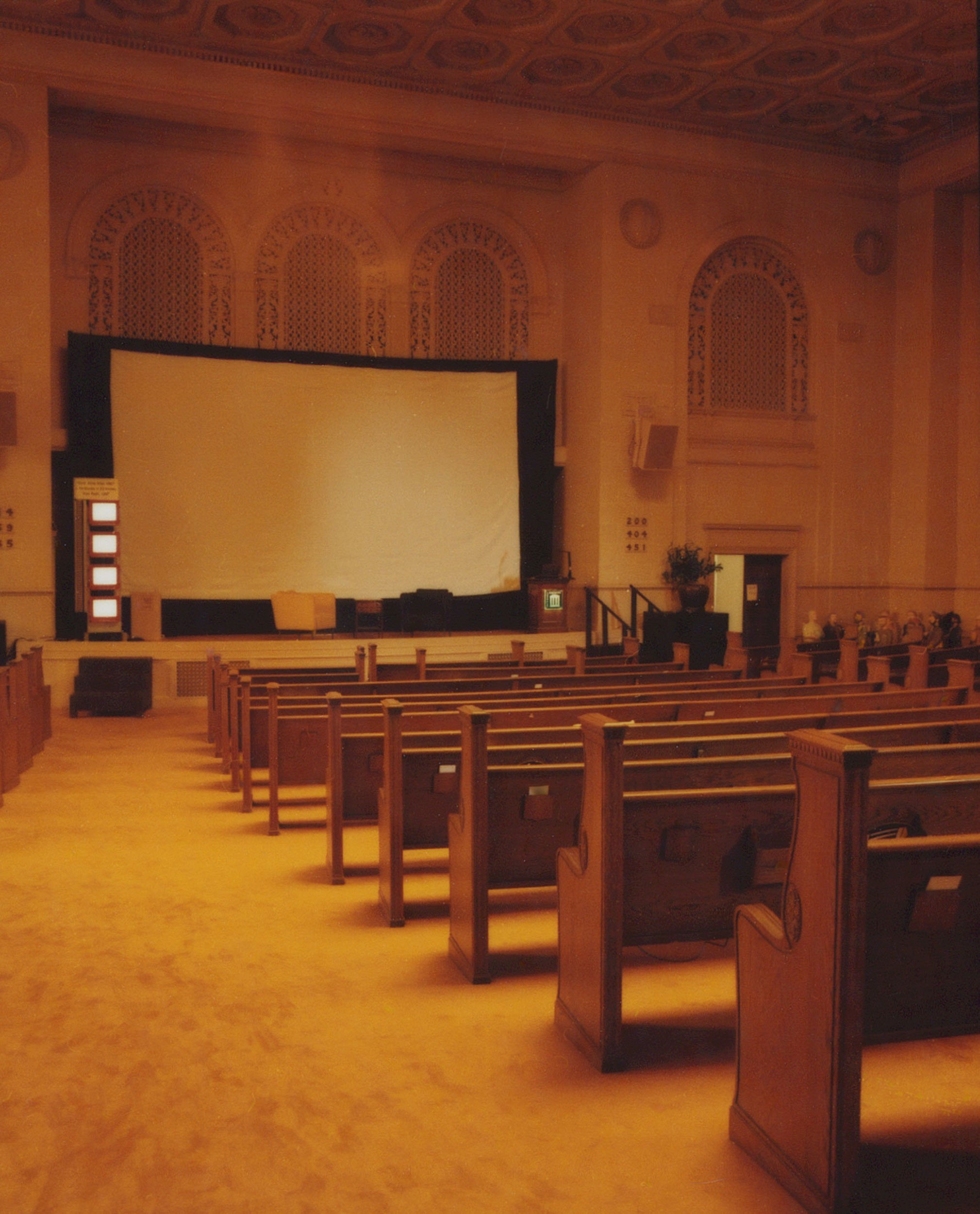
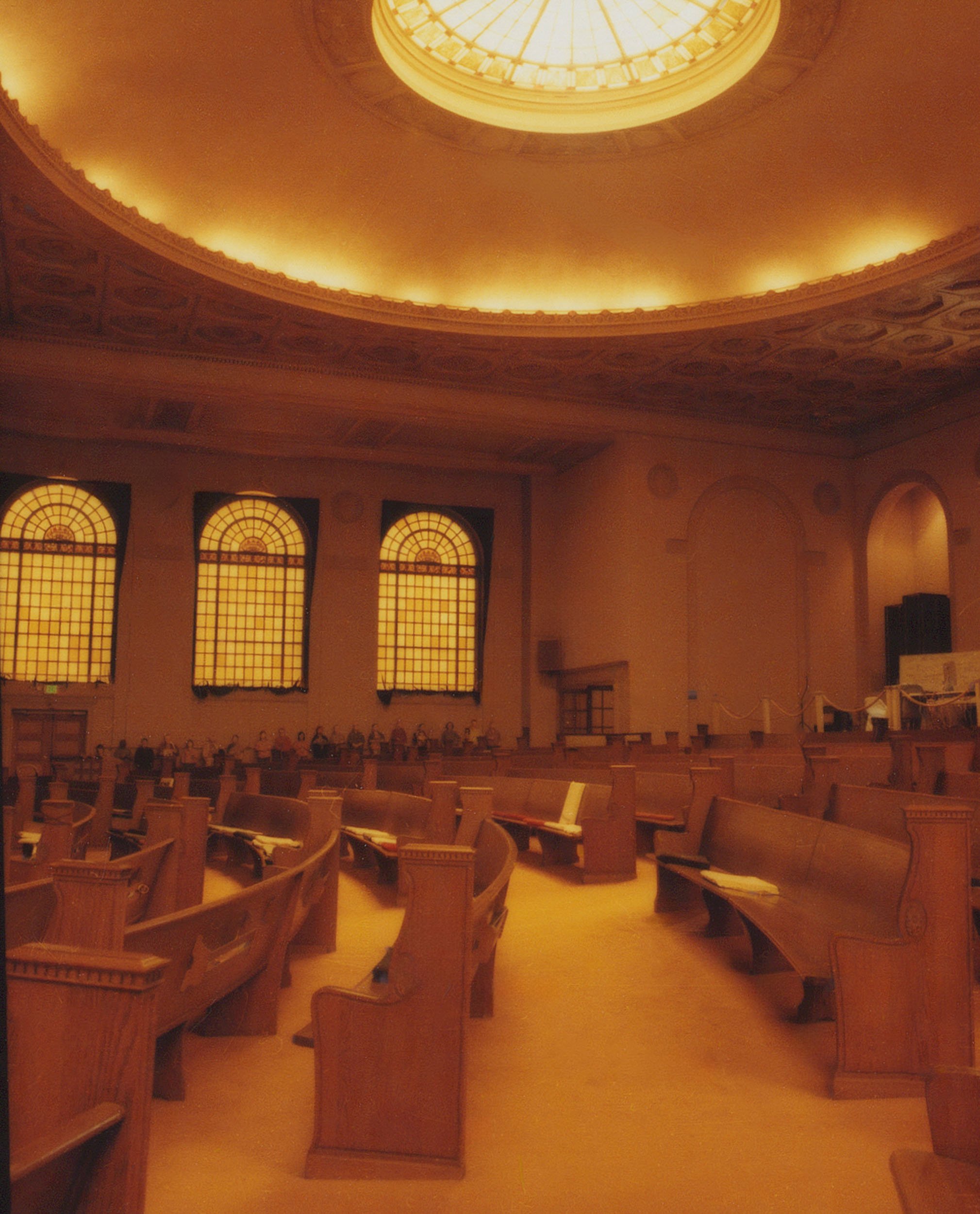
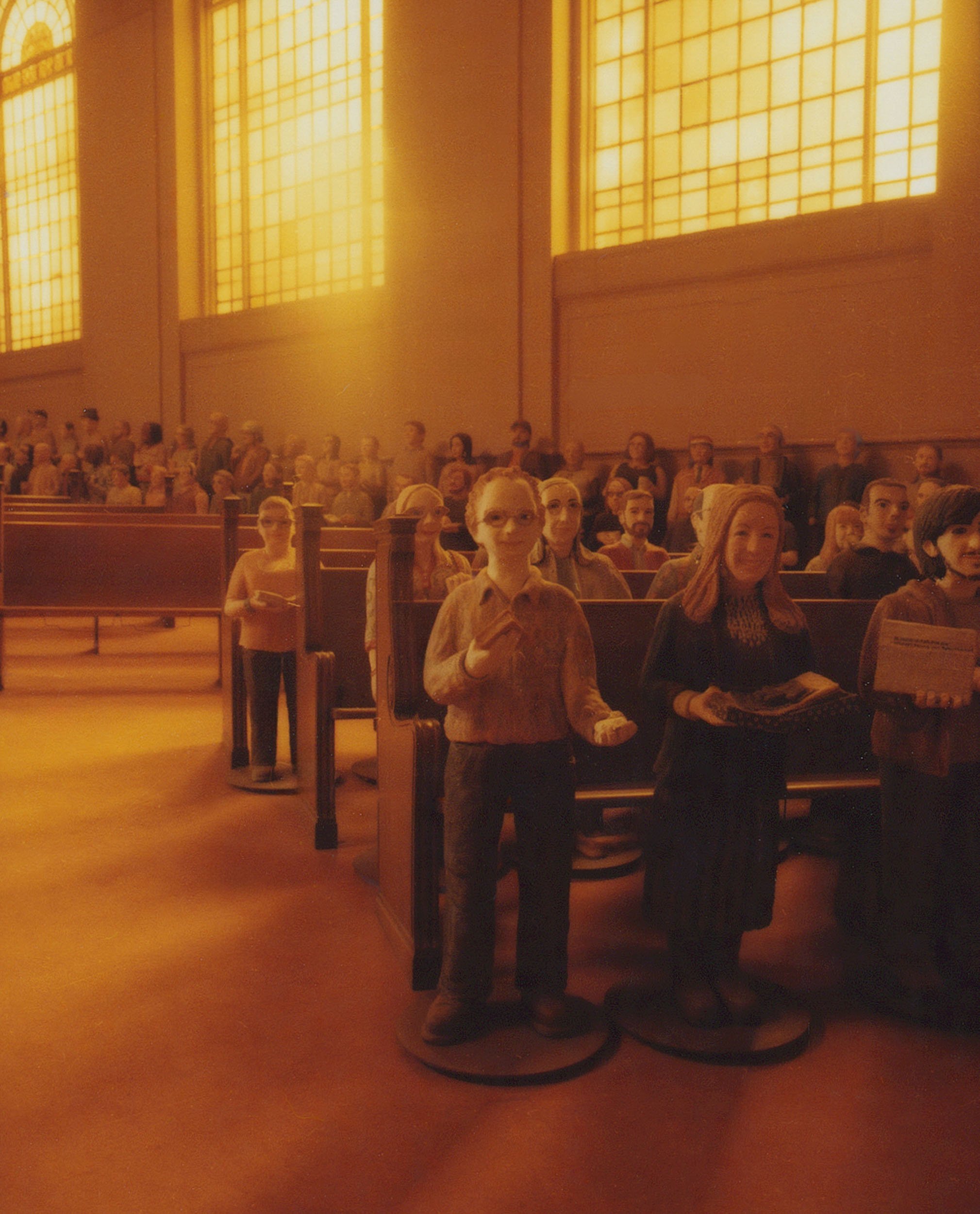
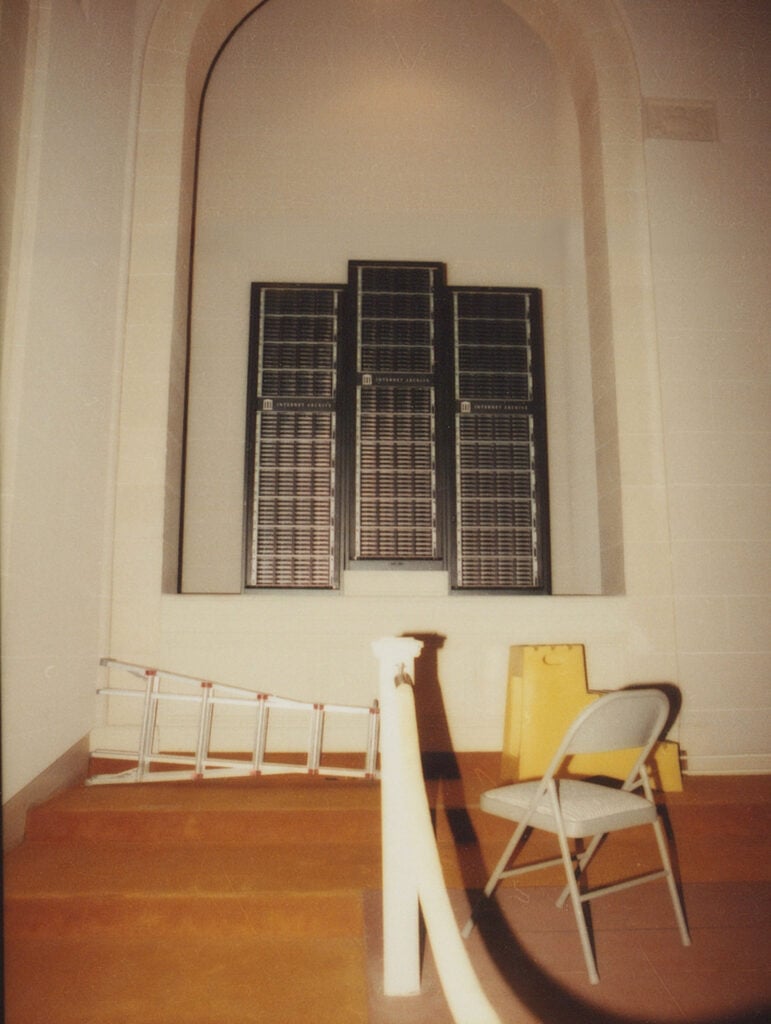
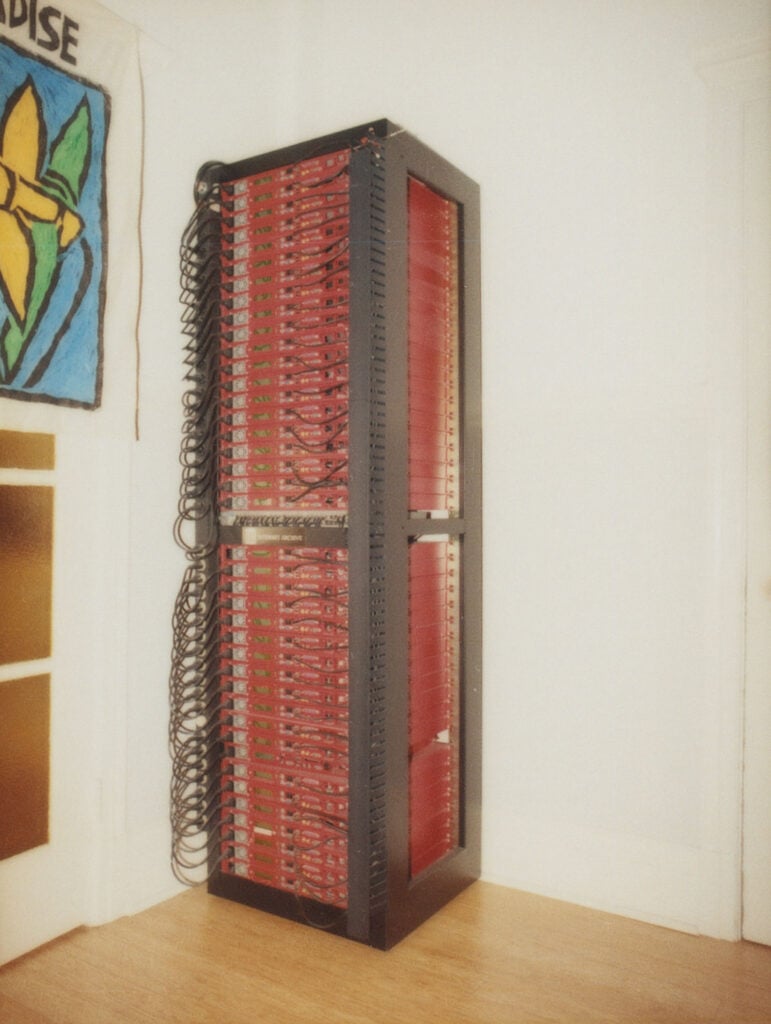
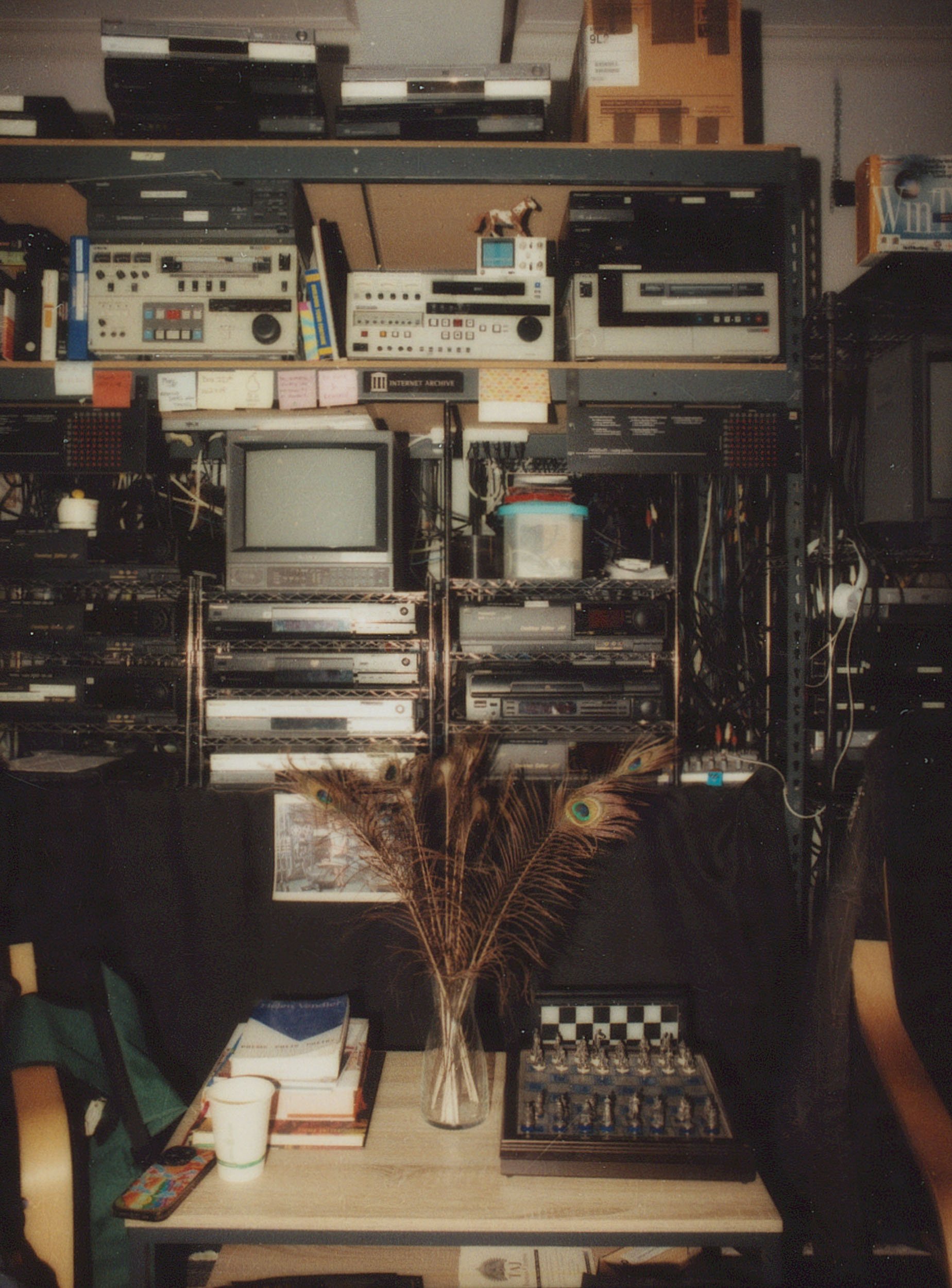
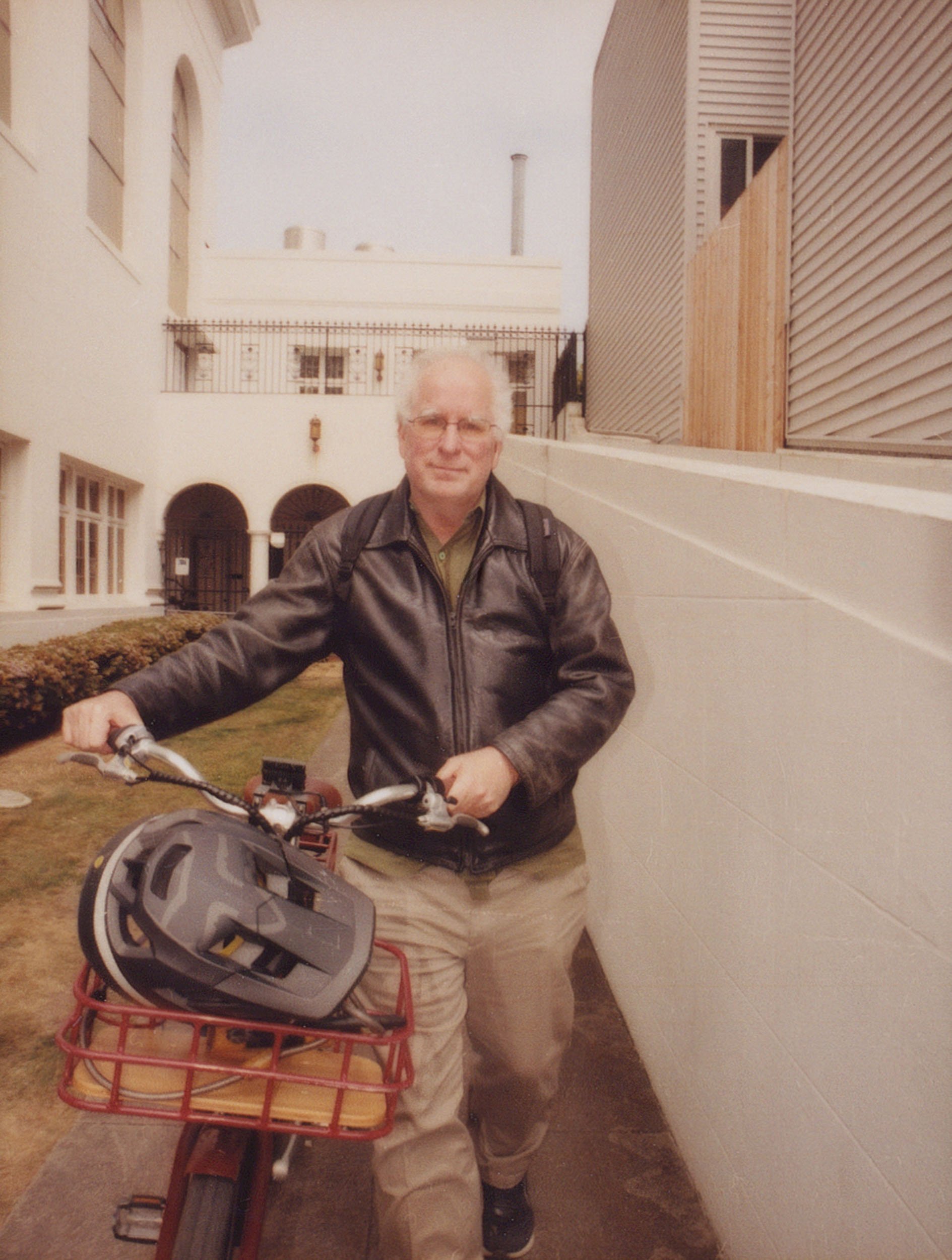
San Francisco: Brewster Kahle is one of the Internet’s early architects. The histories of more than a few of Silicon Valley’s giants hold his fingerprints. His early prototype in text-search technology was a precursor to the World Wide Web. His web traffic analysis company, Alexa Internet, co-founded with Bruce Gilliat, which used ‘web crawlers’ to archive and rank websites according to popularity, was eventually sold to Amazon. When I meet him at his office at the Internet Archive’s headquarters, housed in a former Christian Scientist church in San Francisco’s Richmond district, he tells me that his work constructing these essential technological infrastructures has always been in service to his life-long dream of building a library of everything.
That library exists today in the form of the Internet Archive, a digital library Brewster founded in 1996 dedicated to providing universal access to information in the form of millions of books, audio recordings, videos, images, and software programs. The Internet Archive also operates the Wayback Machine, a digital archive of the Internet that allows users to explore webpages at previous snapshots in time. Initially envisioned as a tool for capturing the ephemeral contours of Internet history, the Wayback Machine has taken on a more politically critical role for its ability to present factual information and maintain accountability in a tumultuous digital landscape reshaped by fake news and, most recently, censorship at the hands of the United States government.
 close
close


