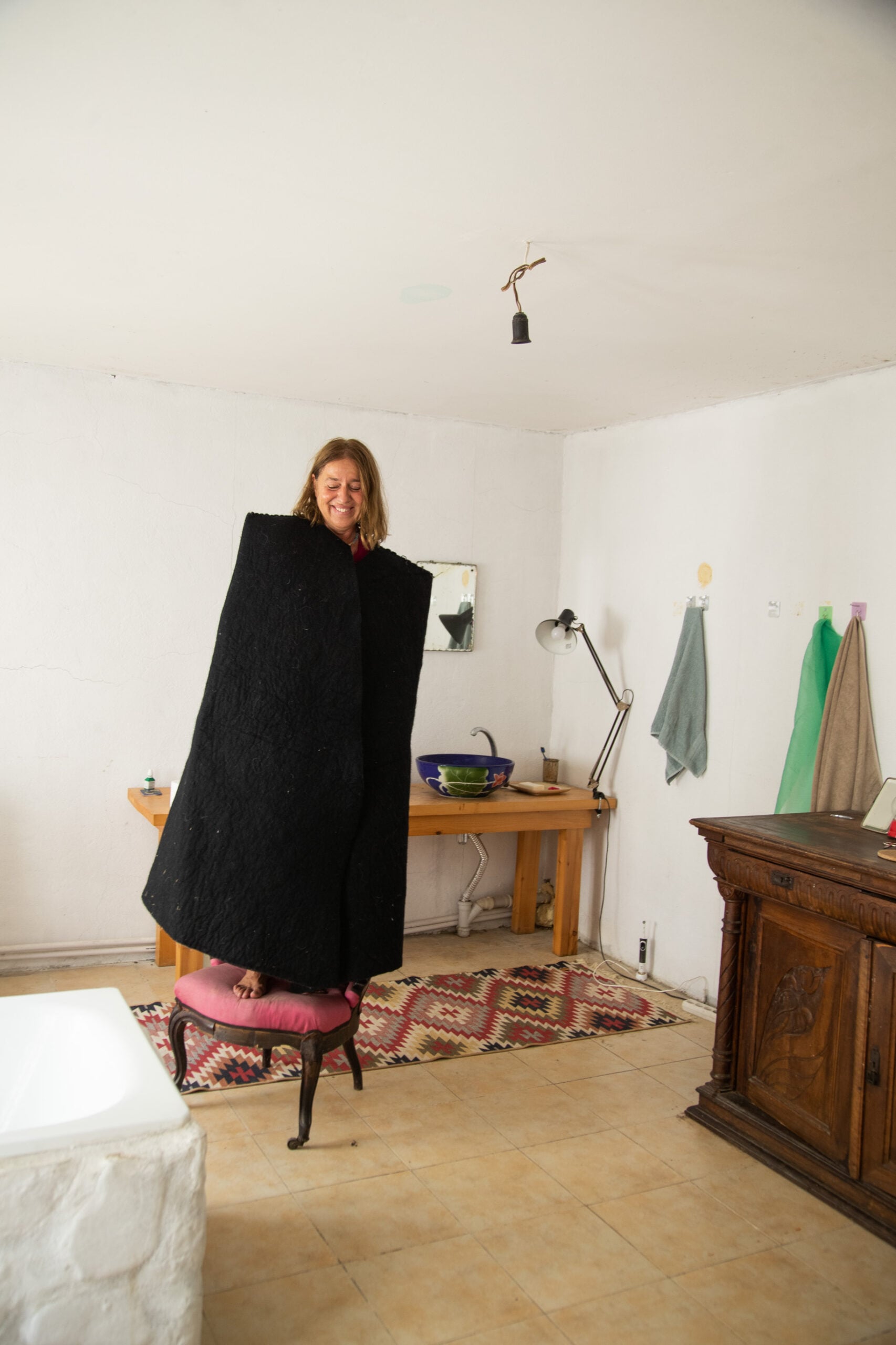
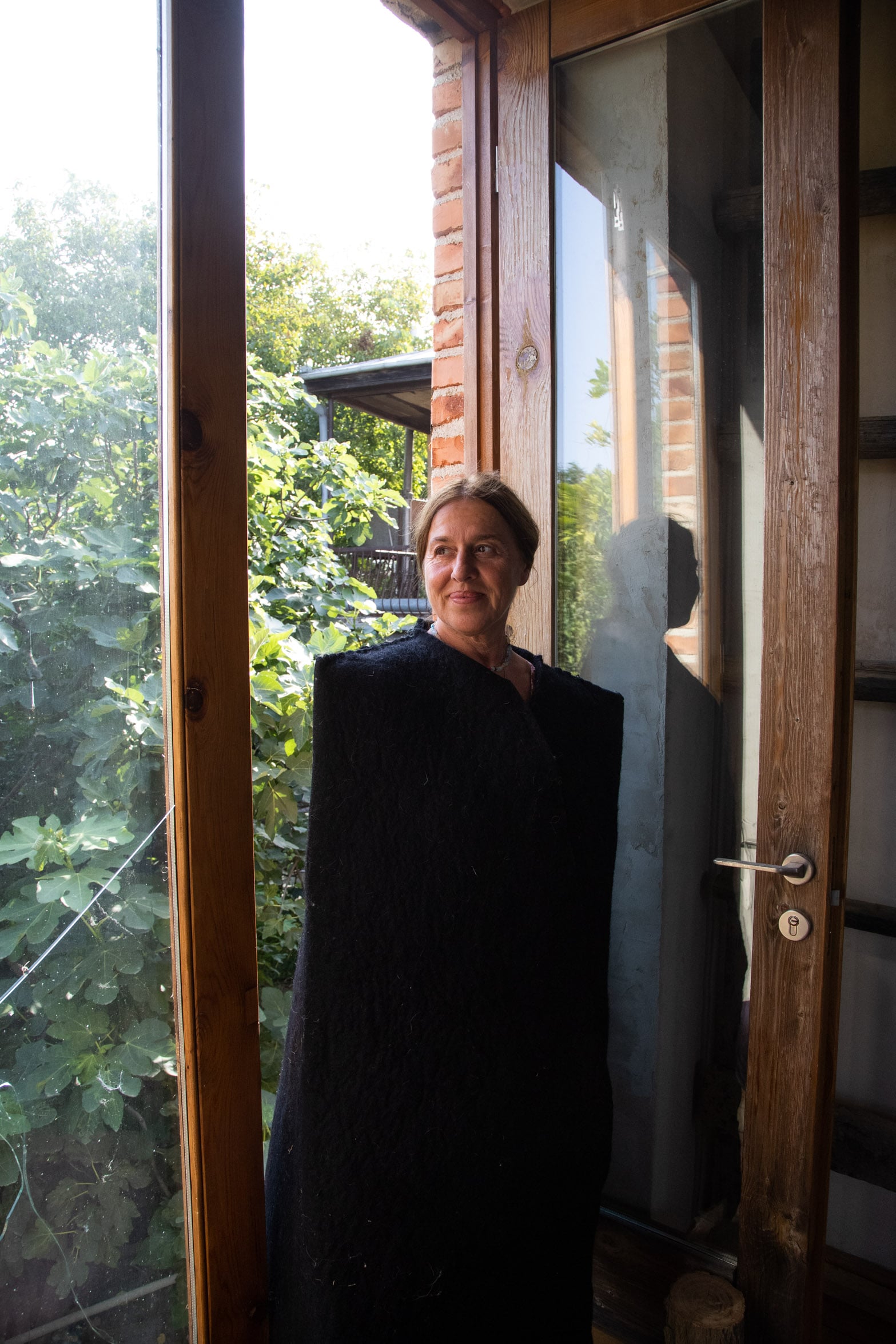
Nukriani: I met Mariana Chkonia, one of the last remaining Georgian artists working to keep Tushetian feltmaking traditions alive, during a heatwave. The plan had been to travel to her second home and studio in Nukriani, some two hours east of Tbilisi, but incredibly, both of our cars had broken down. We decided to meet at her seventh-floor apartment in the capital instead. For a few months, we had been exchanging messages and emails, and when I arrived, she greeted me like an old friend. After a brief tour of her apartment, minimally and tastefully decorated with a mixture of her textiles and extraordinary carpets, we sat down to a table of cherries, blueberries, and peaches. As we began to speak about her life and present-day Georgia, I had the sense that I was in the company of a true artist whose existence, and modality for being, were indistinguishable from their practice.
To talk about Mariana Chkonia is to talk about talent, resilience, and courage. Hailing from a family of architects, including her father, who also worked as an experimental filmmaker and editor, she raised her own children and worked various jobs for decades before finding her true calling as a feltmaker at 50 years old. Much like her extraordinary carpets, which combine ancient Tushetian wet felting practices with modern dry felting techniques, she has managed to reinvent herself, developing an artistic language that is entirely her own. Her works, which have been exhibited at STATIONS, Das Minsk, and E.A. Shared Space galleries, and which have been collected by Rooms Studio and Wolfgang Tillmans, vibrate with a unique frequency. They linger somewhere between a Rothko and another mythical world, one shaped by local iconography and the cosmos.
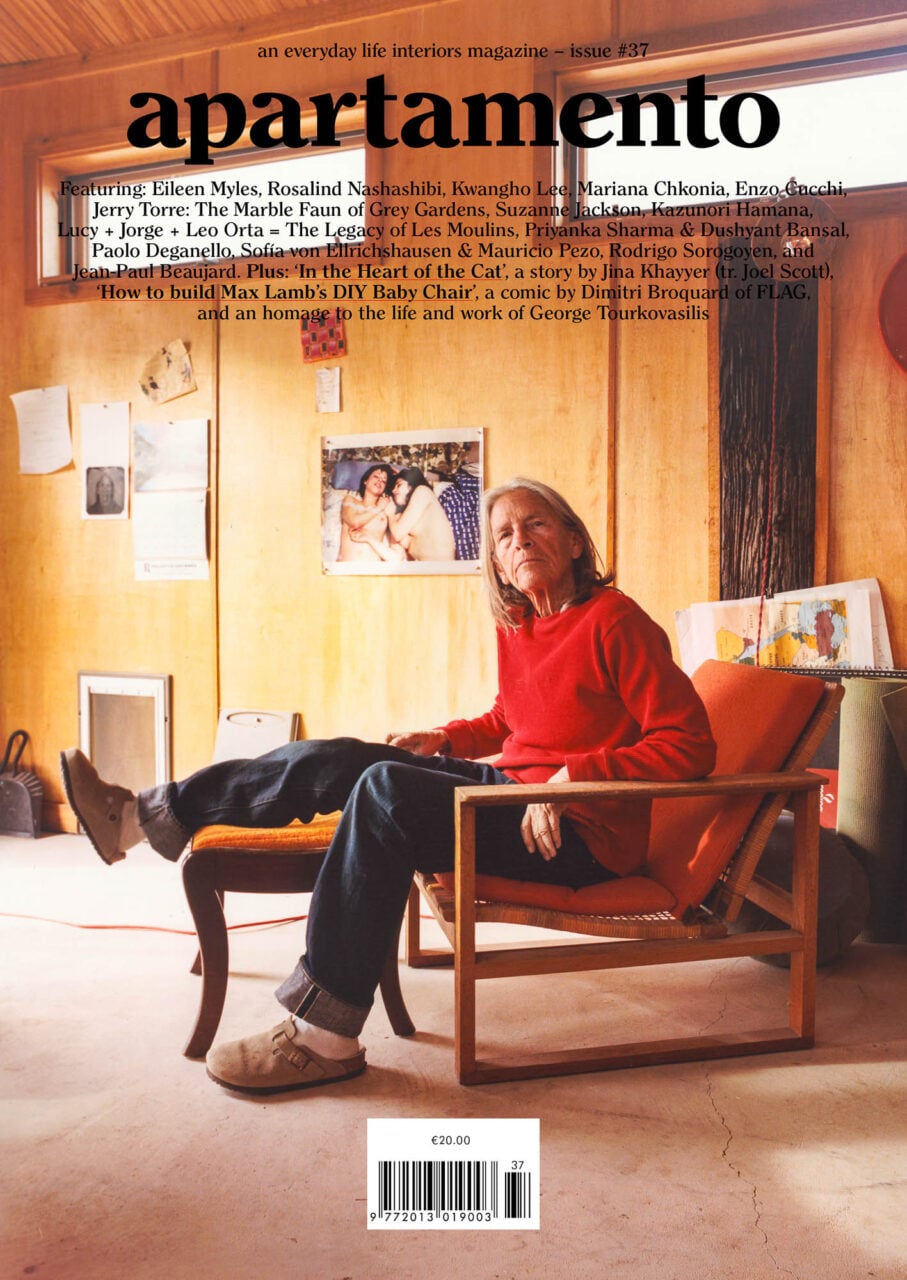
A conversation with Mariana Chkonia for Apartamento magazine issue #37
Mariana, you were born into a family of architects. Your father, Gogita Chkonia, was also a famous experimental filmmaker, artist, and poet. Could you tell me about your childhood?
My childhood was a happy time. In the summer, we went to our village in Tskneti and took lots of fabrics with different patterns, and we all sewed and knitted and cooked together. My mother was an editor, translating foreign films into Georgian, but she also made sweaters and skirts for us; in Soviet times, there were no shops, and there was lots of amazing wool. I was interested in learning, and she taught me. But my grandfather, grandmother, and uncle were all architects. My father was also an architect, and later, he became a filmmaker. He was also my first friend. It was part of me, of our family, to make something with our hands.
Did you consider architecture as a profession?
My grandmother told me I should work in fashion or interior design. I was always playing with furniture or building model houses in my room, but I rejected her advice. I was 16 years old, and I wanted to make it for myself. I went to Tbilisi State University and studied Western European languages and literature. At the same time, I got married and had babies. This was a very typical story in Georgia in the ‘90s.
It was also a time of fear. I remember the bombs on Rustaveli Avenue. I was living on Melikishvili Street close by, and in the mornings, I would go with my baby to buy milk or bread. Nowadays, I wonder how I could have done that. It seems crazy, although now this is also the situation in Ukraine. It’s awful what you can get used to. We lived like this, without electricity or heating, but in the evenings we also met our friends and laughed. It was a strange time.
In your 30s, you studied interior design. I imagine your grandmother was pleased?
She was! I studied remotely at Rhodec International in London. I found the course interesting, but this was during the late ‘90s. There was no email. We had these computers that were like old TVs. I would post my assignments, but they would take three weeks to be sent back. You can’t imagine. The important thing was that while I was waiting for feedback, my grandmother taught me architectural drawing. She gave me lots of projects immediately after graduating, and I worked as an interior designer for 10 years. If I’m honest, it was difficult. Tbilisi was still emerging from the Soviet Union, and nobody understood what I was doing. All the rich men thought I was a builder. In the end, I didn’t like the work I was making, and I became a cook. I opened a small café and made sourdough breads and attempted to farm my own vegetables, but I found the farming work hard. It wasn’t my calling. I worked as a cook for 10 years, but I had this restlessness. By then, I was 50, and I was really searching for that thing I was meant to do. I wanted to find my way, my place. But this was also during the pandemic, and I really felt that I had to survive—not only physically, but mentally and spiritually.
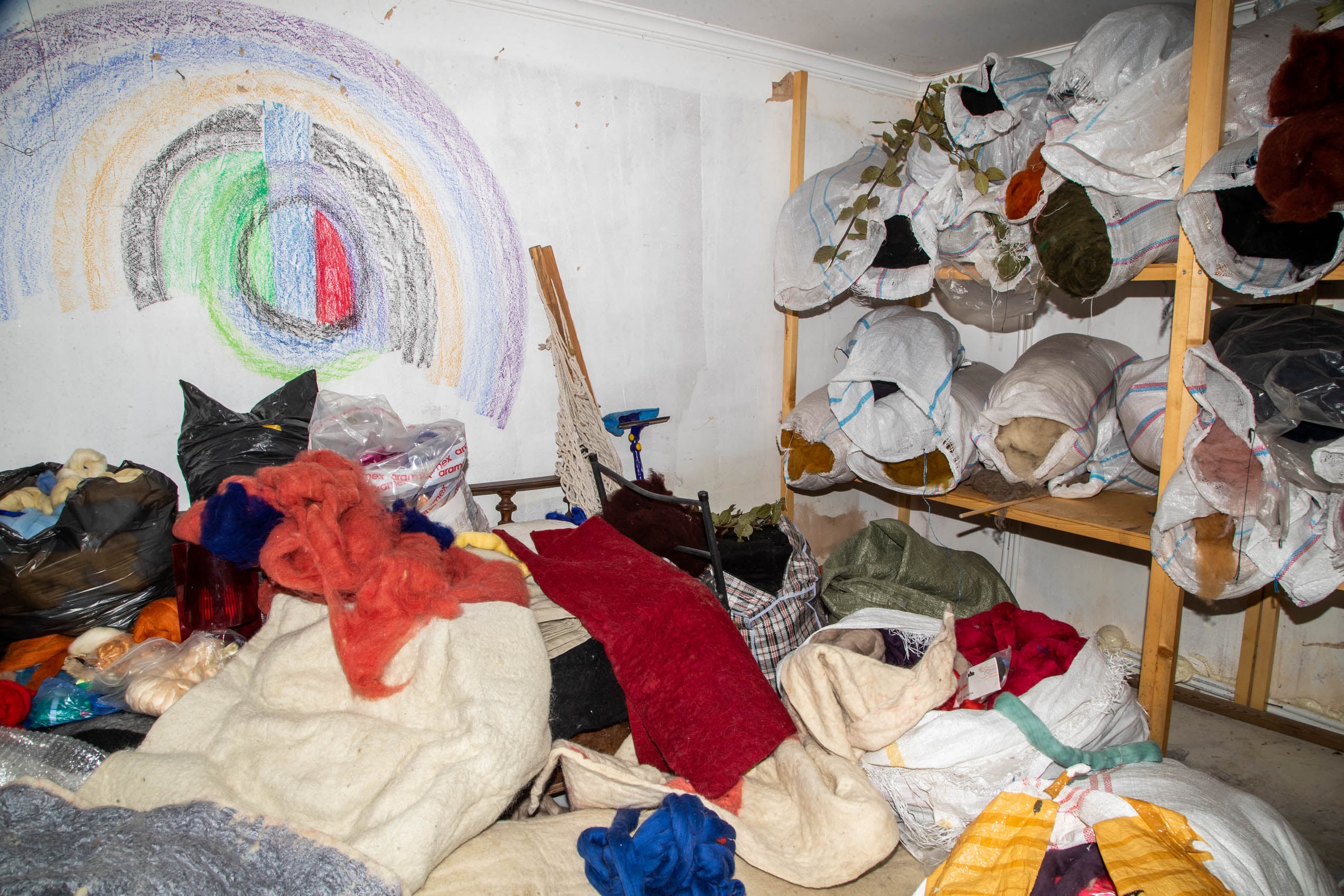
Suddenly, I could not stop thinking about felt. In my childhood, there was a Tushetian carpet hanging on the wall at my grandmother’s house. It was this very impressive white and grey and dark brown natural felt rug with crosses. All my life, I had remembered this rug. I immediately went to the internet and found some videos of a lady sitting at a table using soap and hot water to make small carpets, and I took a huge amount of wool and put it on the floor and began to press it. The work wasn’t easy. I didn’t know what I was doing, but I felt so happy, like a child.
Amazing. My grandfather used to say, ‘You have to find your niche!’ The way you found yours after trying for so many years sounds almost miraculous.
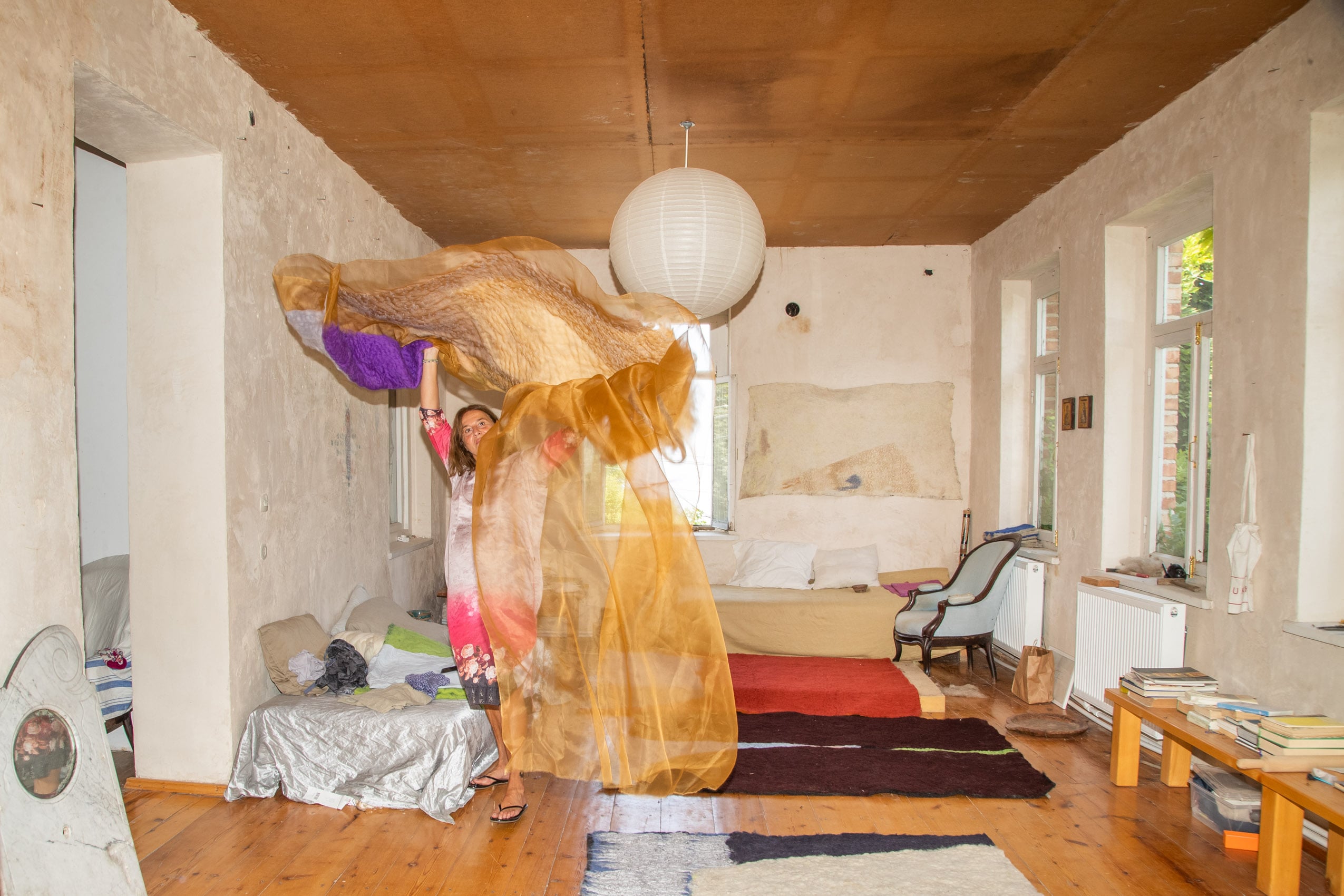
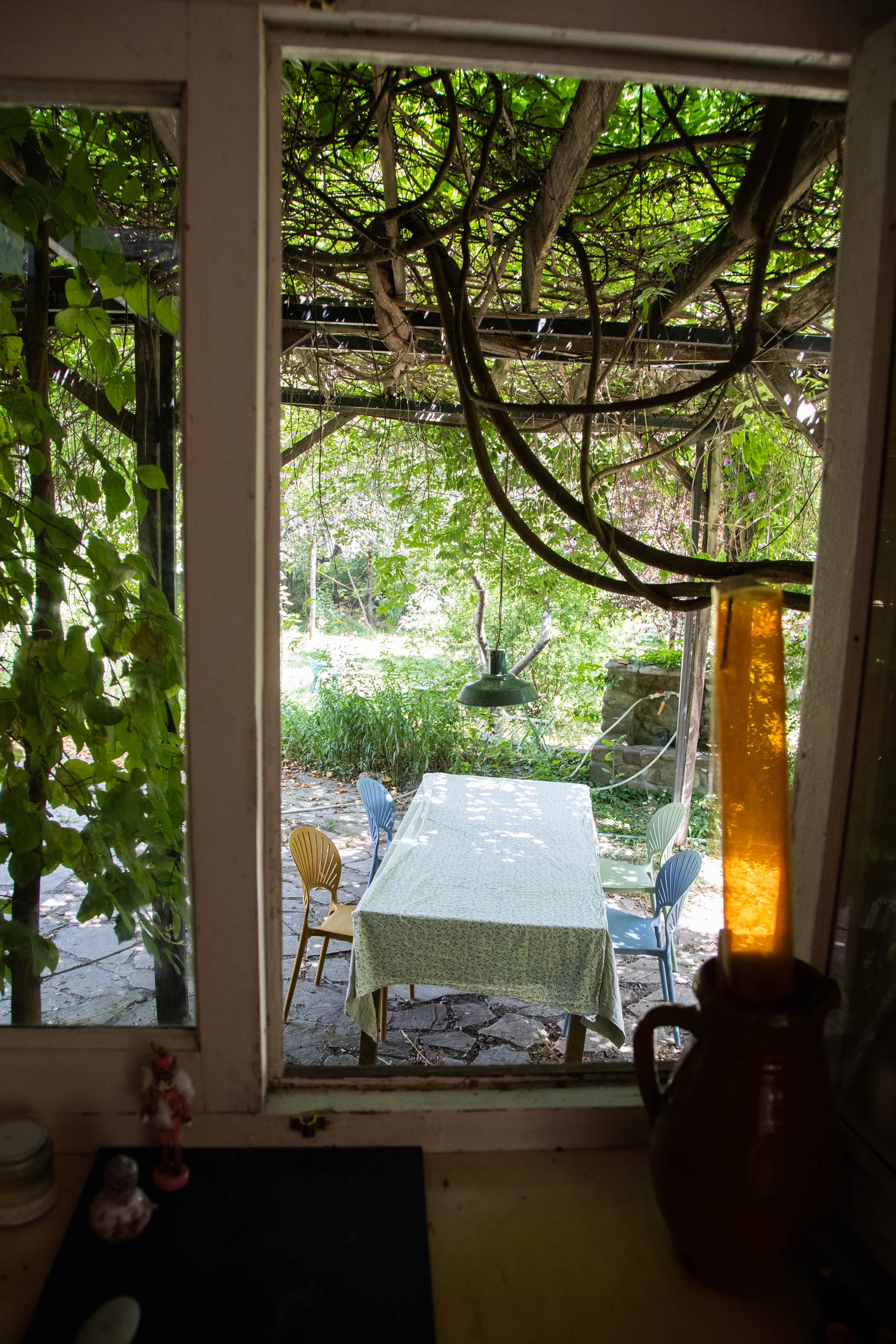
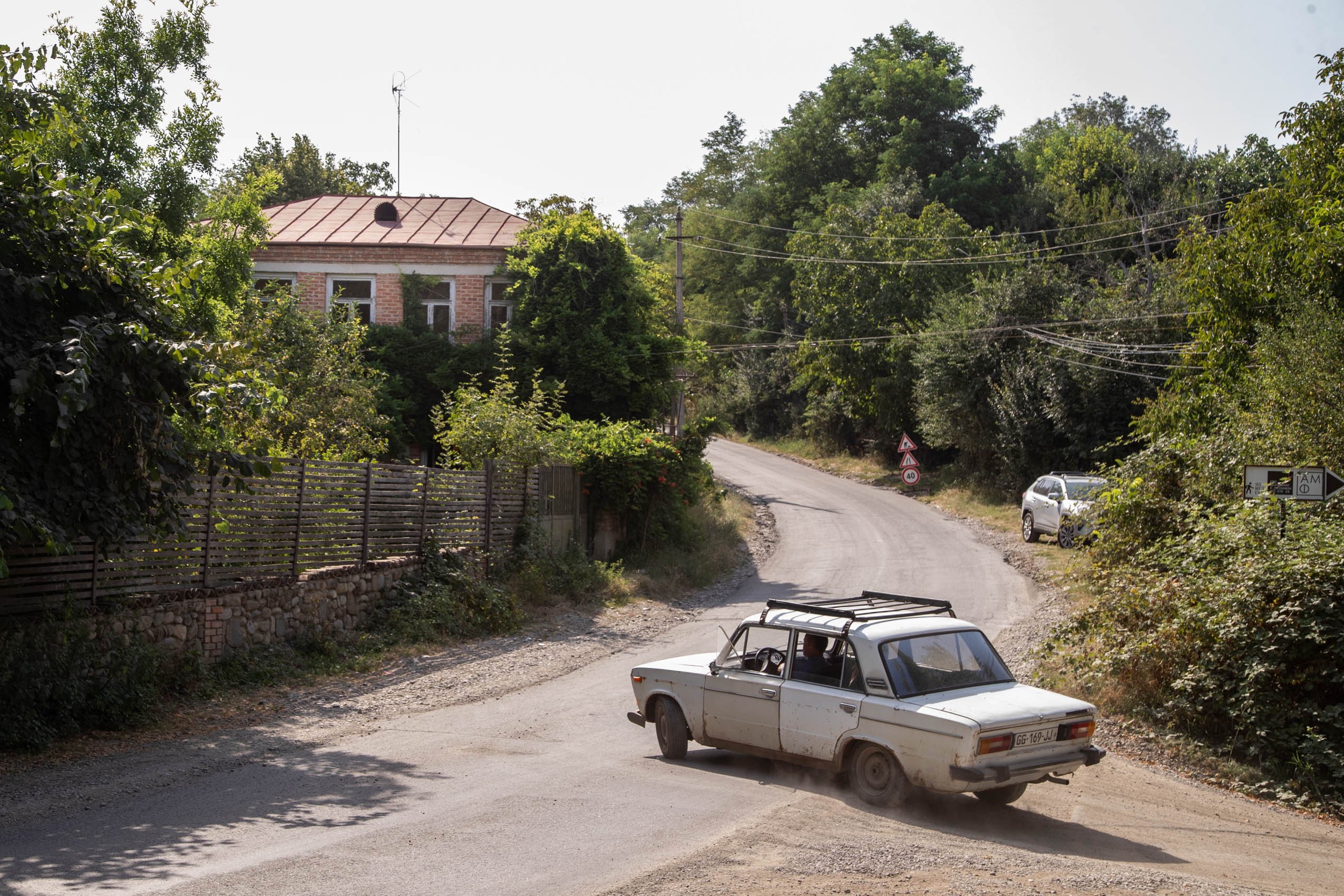
Yes! But I think subconsciously I always knew. Seven years earlier, I bought my second home and studio in Nukriani, at the foot of Tusheti and the Caucasus Mountains, and that house made it possible to try another life. The first time I went there was in 2009. I saw the Caucasus Mountains and the Alazani Valley, and I was shocked. The air was so clear, and I knew I wanted to start my second life here. A couple of years later, I returned, and there was a for-sale sign on the house’s gate. I called them, and five days later it was done. When I finally began working with felt, I had this space to make huge and dirty things. It was like this puzzle, everything falling into place.
On a similar note, I often feel that certain books are meant for people at certain times—as if the books find us, rather than the other way around. Can you talk about the book by Nanuli Azikuri that helped you become the artist you are today?
This book was given to me by Nino Kipshidze, an extraordinary artist and the mother of my friend, the architect Elisso Sulakauri, who is married to the filmmaker Levan Koguashvili, who you have profiled before. To further the coincidence, Daro Sulakauri, who you asked to photograph me, and Elisso are sisters. I was at their house, and I told Nino that I wanted to try felting more seriously. She gave me some books, and one of them was by Nanuli Azikuri. She is a Tushetian woman who lives in Tbilisi, and she is something like the mother of feltmaking in Georgia. Nanuli described, very simply, the wet felting traditions in Tusheti before they had needles, where wool is compressed using moisture, heat, and pressure, but she also connects felting to the natural world. She knows which plants should be used to produce certain dyes, and soon she is going to publish some books about ancient Georgian colour combinations, certain browns and yellows—the same colours Niko Pirosmani, the famous Georgian artist, used to produce his works. In any case, I became obsessed with Nanuli’s book, and I started working immediately, going from mistake to mistake, making incorrect shapes and holes and felting with cold water, which caused the dyes to become lighter. But these mistakes were portals to a new world.
I love that. What happened next?
It’s funny—when I started making these traditional felt rugs, I thought they had to be huge. I remembered being a child in my grandmother’s house and seeing her Tushetian rug, and I thought it was so big, but it wasn’t. I was small, and my memory of it was huge.
I started to make a rug that was 250 centimetres by 250 centimetres. I was alone at my house in Nukriani, pouring boiling hot water on the wool and then pressing it with soap. It was crazy work, and it was two days of this. I was losing my mind. The rug was so heavy and full of water, and then the room was full of water, and I couldn’t walk anywhere. I didn’t know that I couldn’t make work to this scale by myself.
Afterwards, I made contact with some ladies in the village—nowadays, these villages are empty. People have to work in hotels as cleaners or washers. Step by step, I taught them how to felt, and I was happy to bring these traditions to the village. Working together was like meditation. We laughed and sang. For lunch, we would prepare the food the women brought and have something like a supra. We were tired, but blessed, and with their help I was able to experiment. I was still making traditional rugs, but I wanted to know whether I could make them into sculpture.
I began folding the felt, making layers, combining Tushetian wet felting with modern dry felting techniques to make drawings or shapes, which uses a needle. I came to this work very naturally, and I was pleased. By the way, do you know Wolfgang Tillmans?
Of course!
He bought two pieces at my second show at STATIONS gallery in Berlin. I was so happy. He also makes music, and he put one of the works in his studio because felt is very good for isolating sound. The carpets I make can’t be used at home like traditional carpets. In ancient times, materials had functionality and purpose. Georgia is a country of deep tradition, and even though the techniques are traditional, the end work isn’t.
Have you ever had any pushback from this?
Never. I feel very lucky.
Tusheti holds an almost mythic place in the Georgian consciousness, a remote, mountainous region cut off from the country eight months of the year, isolated at the top of one of the world’s most dangerous roads. Tushetian women have been practicing felting traditions for centuries. Could you tell me about the first time you went there?
I wanted to feel how these people lived and to see this place with my own eyes. But Tusheti is another planet. It’s hard to describe. It’s mountains and fantastic flowers and these wooden houses and castles that are falling down—I cried when I saw the state of disrepair. You feel much more than you can speak. It’s about the sky and cosmos rather than earth. When it’s dark, you can’t see the world, only the stars. It’s the only part of Georgia that is pagan, and I was so interested. I kept asking to go see the shrines, but as a woman, I wasn’t allowed. Of course, I respected their traditions.
But the road—it’s shocking. I drank chacha because I was quite scared. I mean, two wheels were off the side of the road, and we were passing other cars. I thought it would take six hours to get there, but it took much longer.
I remember that road. I also took a lot of chacha when I visited.
You almost have to! But at the same time, what’s remarkable is the quiet up there. You feel you are part of the whole universe. I felt connected to everything. I wanted to take something back with me, something physical but also metaphysical. I took a black stone, and on the way back, I saw this one bird, a Hoopoe. She opened her wings, and she had these white-and-black stripes and a fire-orange head. I went to my village and made a work from it. You could say my relationship to this place is one of gratitude. Tusheti gave me its sheep and wool and felting traditions, but it also gave me a new life. I wanted to go there and say thank you.
I love the scale of your work, but also the boldness. There is a depth there, something three-dimensional, sculptural, and full of mystery. At the same time, I see human fallibility and awe and suffering. Do you see your work as political, or do you view yourself as an ambassador for Georgian culture, keeping ancient traditions alive?
Thank you for the question, but no. I make this work to survive. The most I could say is that perhaps in this hard political time, I include flowers in my work so as not to think about the ugly situation. When the Russian law passed, I was in Tbilisi. Basically, the law made it difficult, or impossible, to join the European Union and aligned Georgia with something closer to Soviet Russia. There were lots of people outside protesting, and I remembered the April 9 massacre in Tbilisi where lots of people, mostly women, were killed. That tragedy happened more than 30 years ago, but I thought we had moved on from the old Soviet way—that we had this independence, a new vision, a new Georgia. Anyway, I was very nervous. I started working in my apartment because I couldn’t go to my studio in Nukriani, but I don’t have any space here. So I went to a shop and took organza fabric, which is silk, and I combined this with my felt. My work absolutely became a different thing. My last show is only this style. The organza is like paper, and the pieces feel like this mixture between papier-mâché and felting. I think what I’m trying to say is that nothing ever stops evolving, including tradition and culture, but it can be nurtured. I become very sad when I see these things disappearing. The traditional architecture of Guria, these huge houses from the 1930s and fantastic mosaic buildings, are on their way to ruin. These days, there is a commercial attitude towards everything. Values are changing, and nobody wants handmade things or objects that are made with all of someone’s heart and energy. I know that we don’t need felt anymore. Of course, before the 1930s, felt was used for garments and everyday clothes, but then plastic arrived, and it became easier to use modern materials. But preservation is important. Felt speaks to me. Wool is biologically alive, and when I am working, I feel this huge warmth because we are creating something together. You could say my felt practice is something like a private protest against this new world and new time.
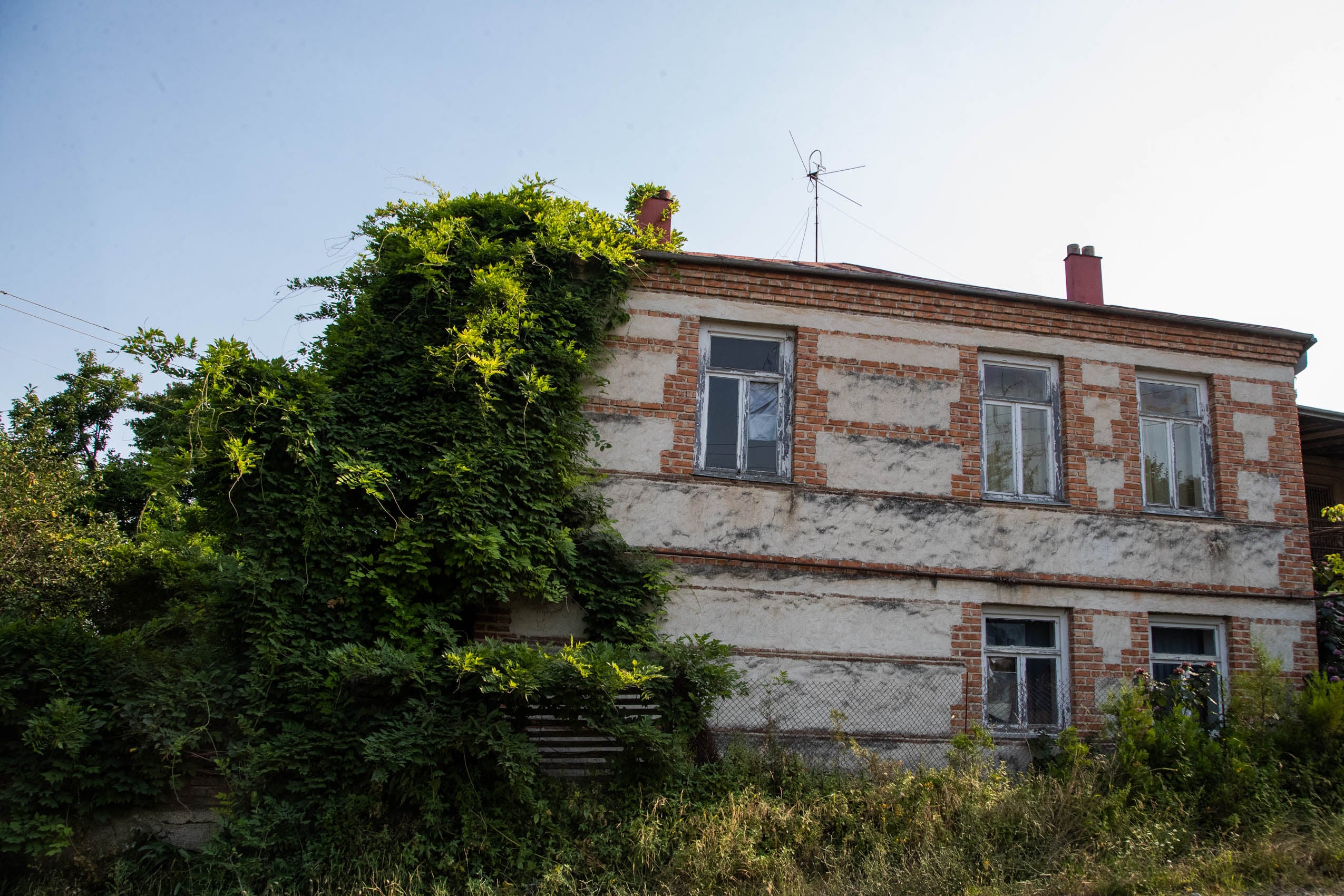
I’d like to return to your house in Nukriani. I believe you renovated it yourself. Do you know anything about its history or previous owners?
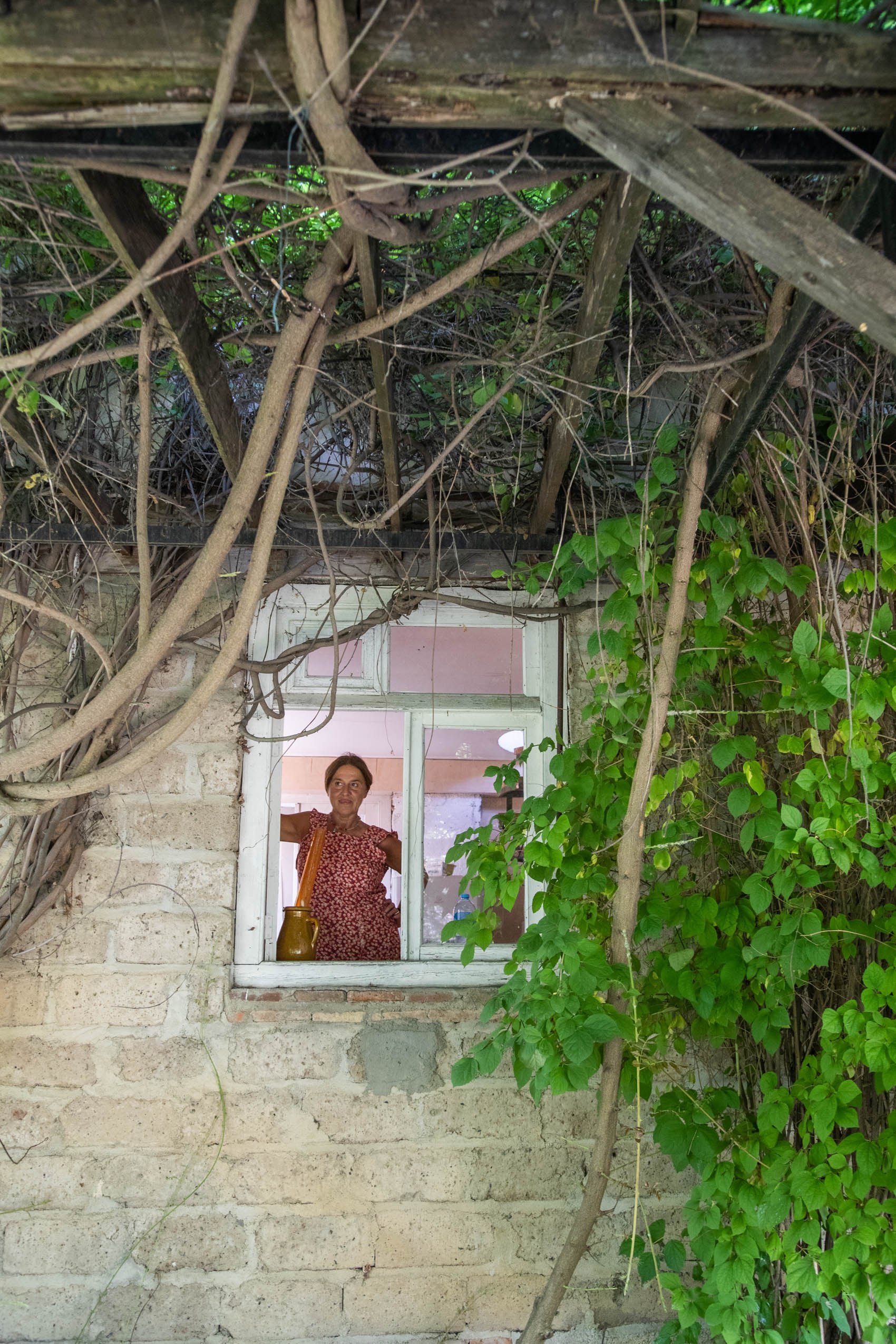
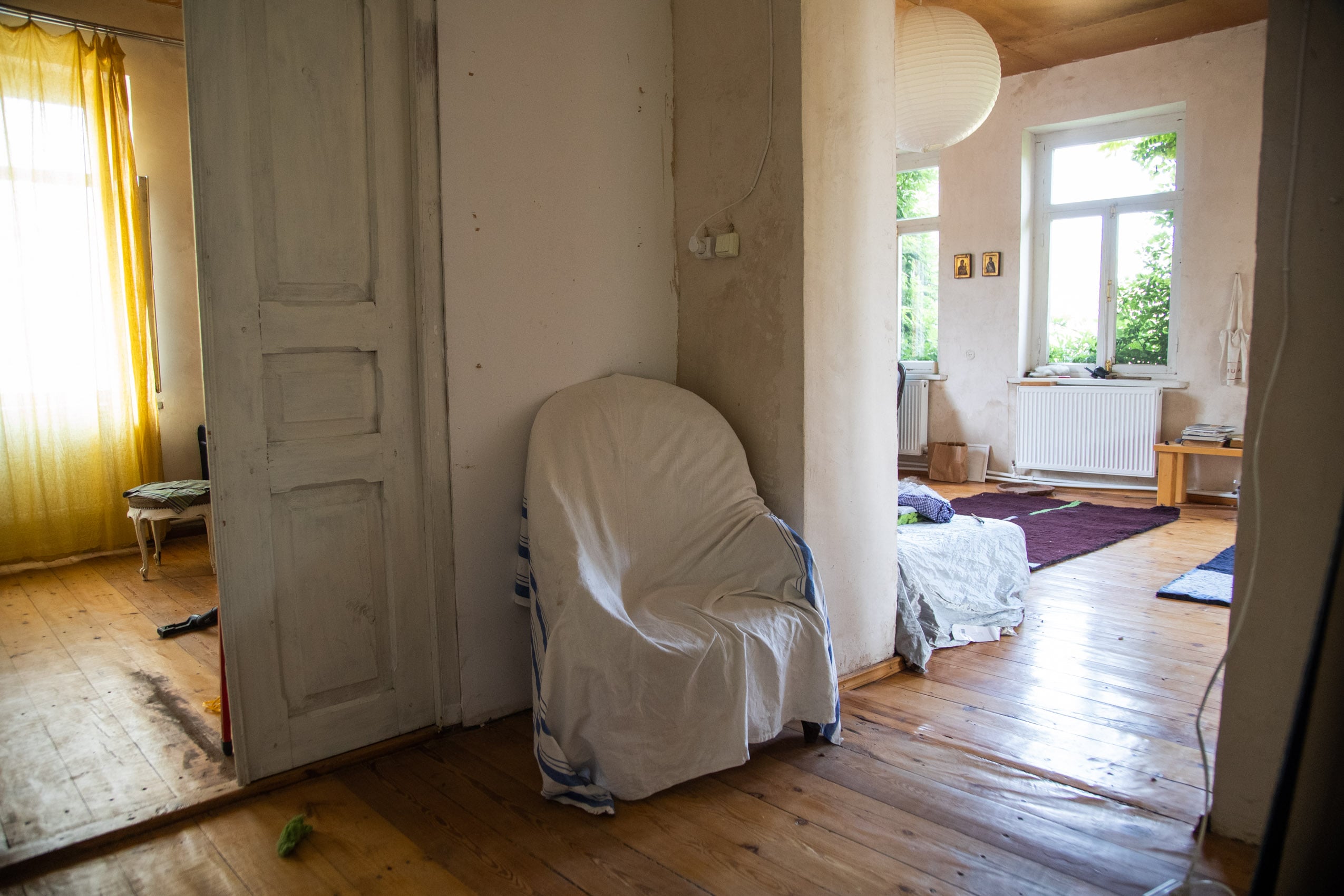
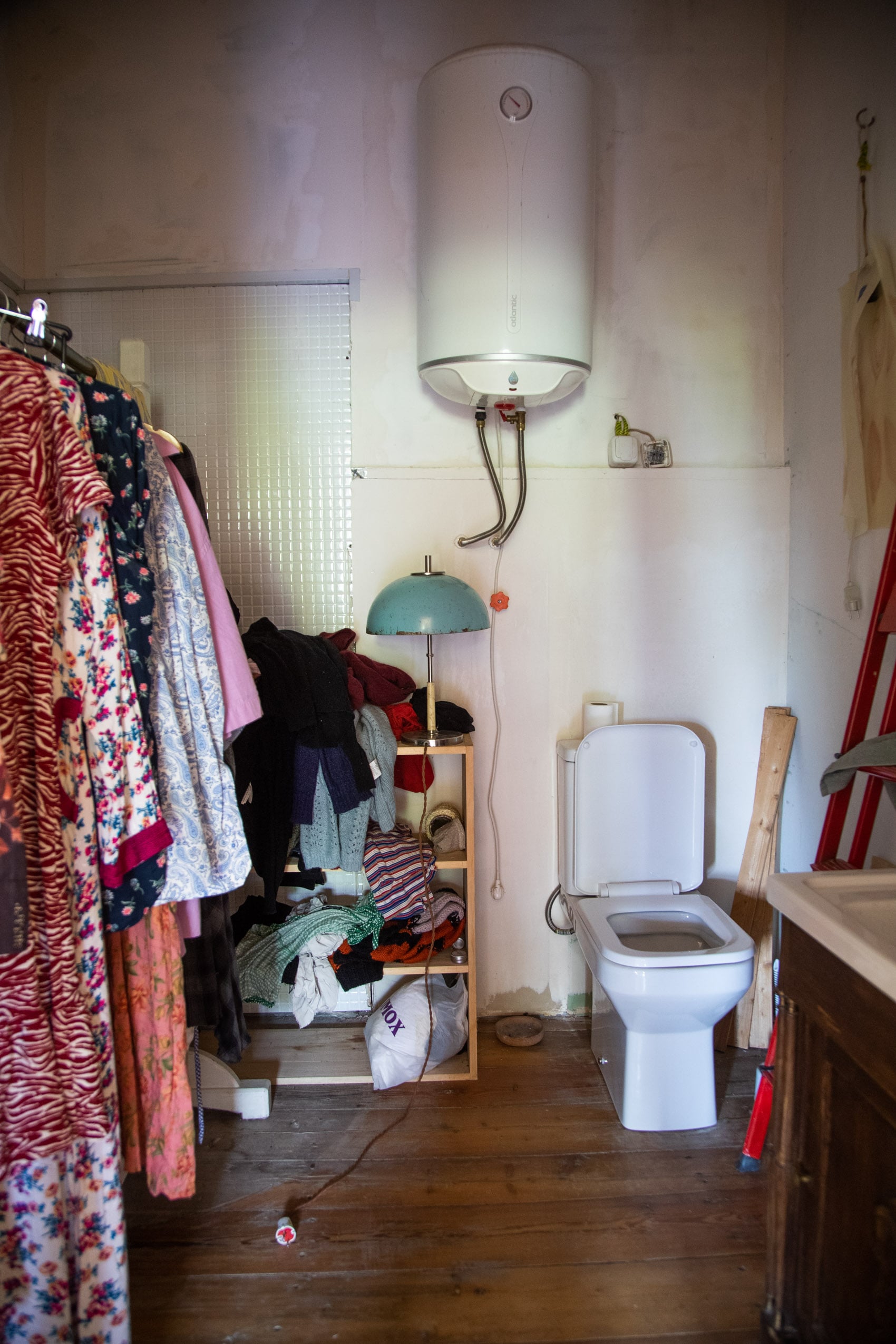
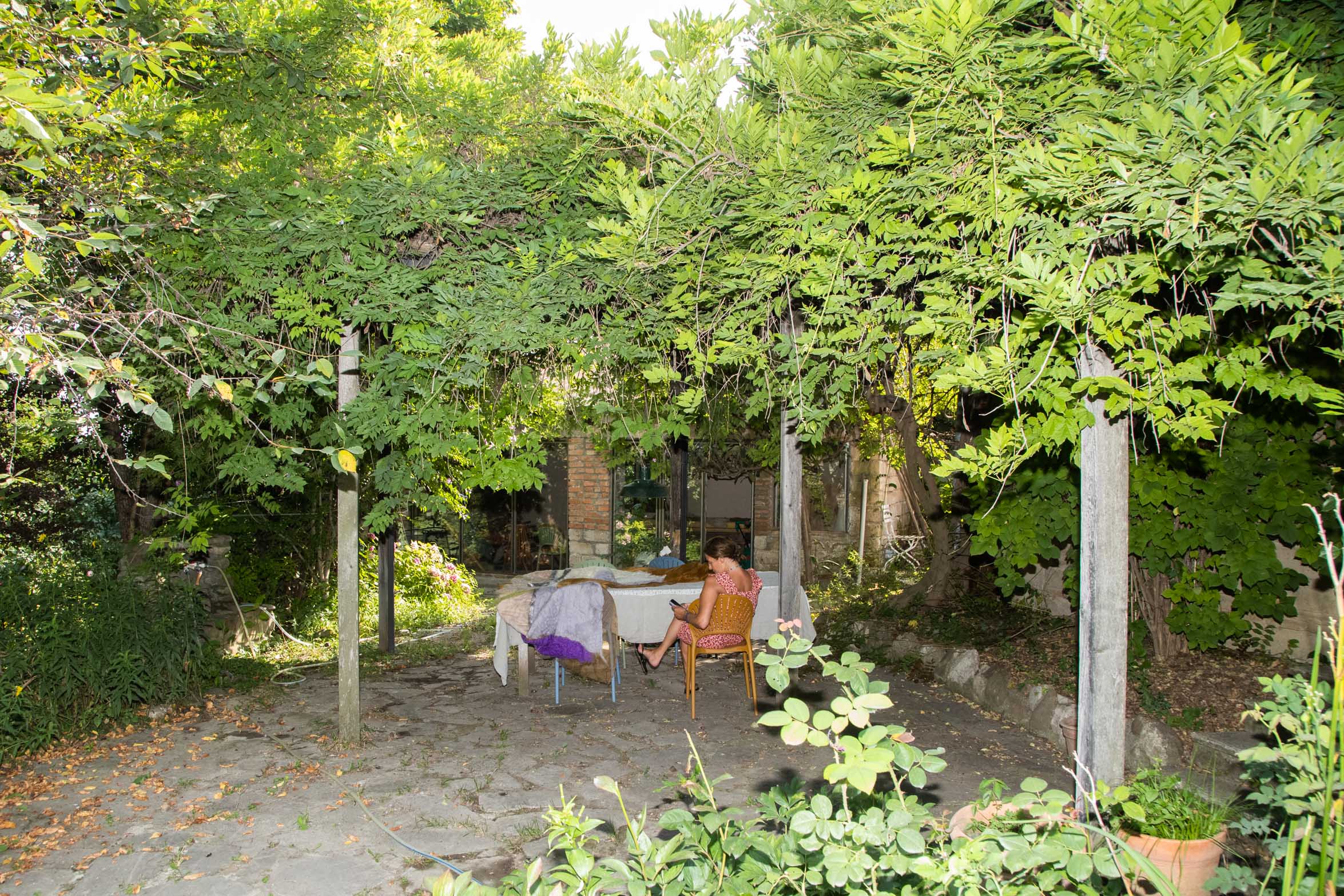
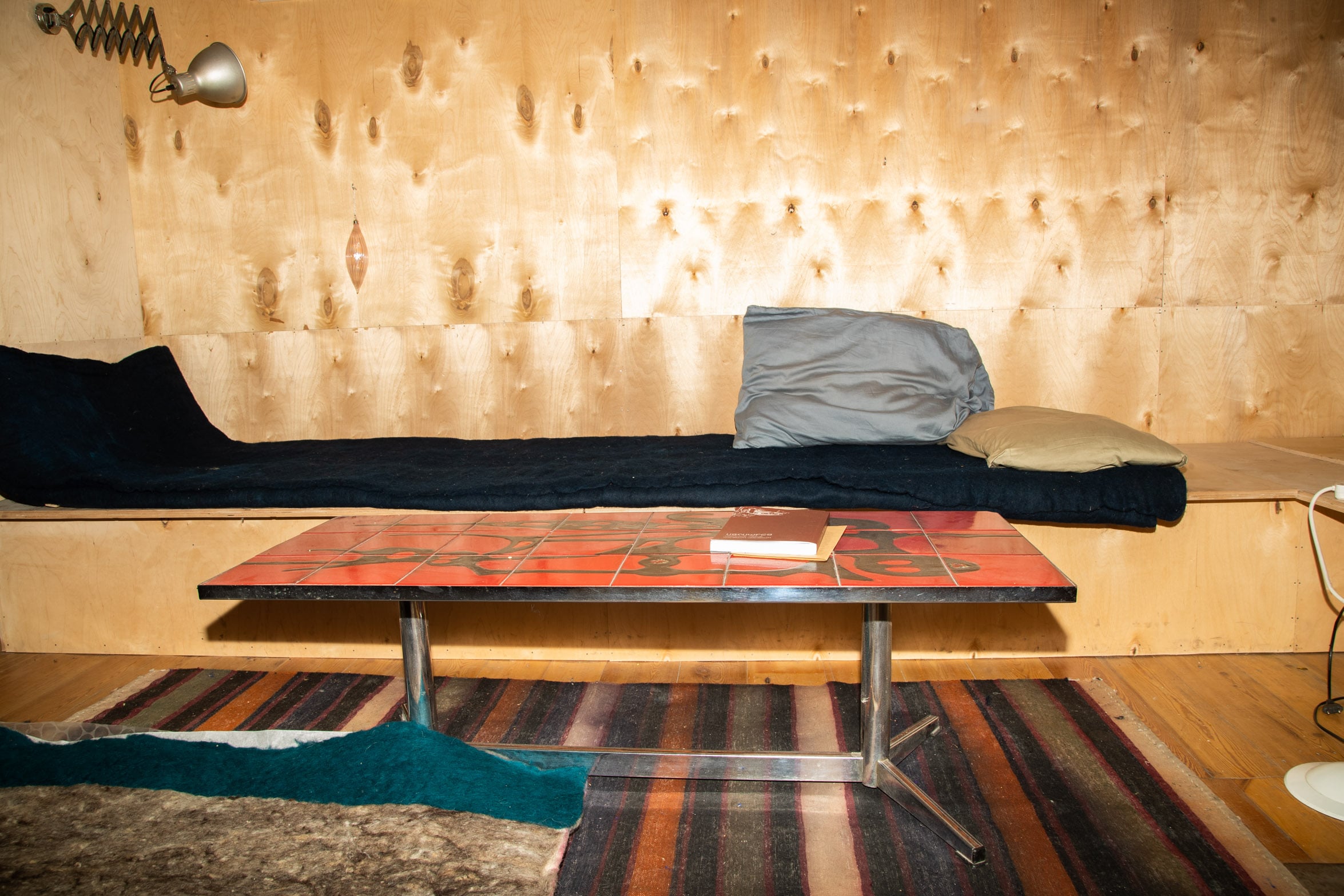
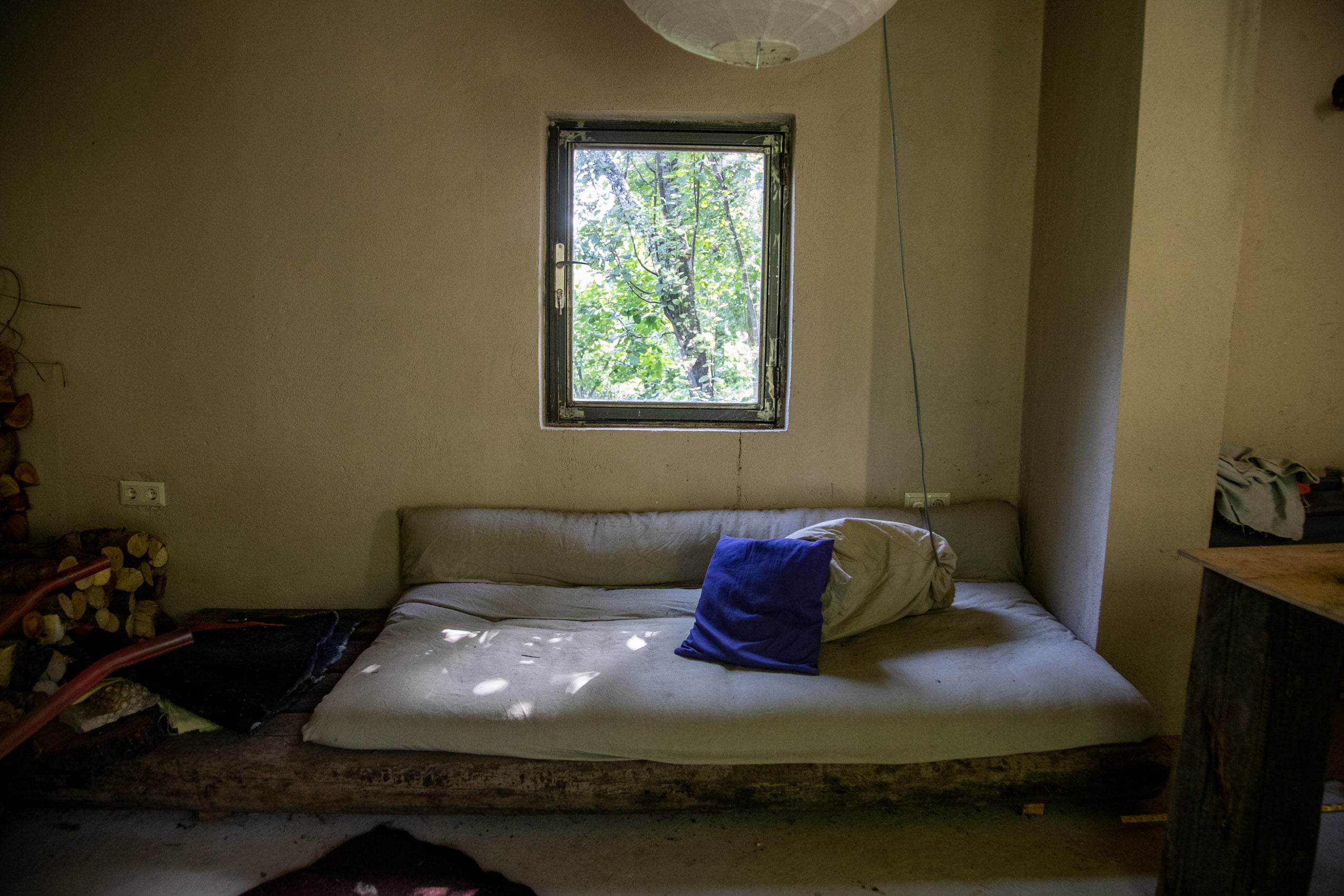
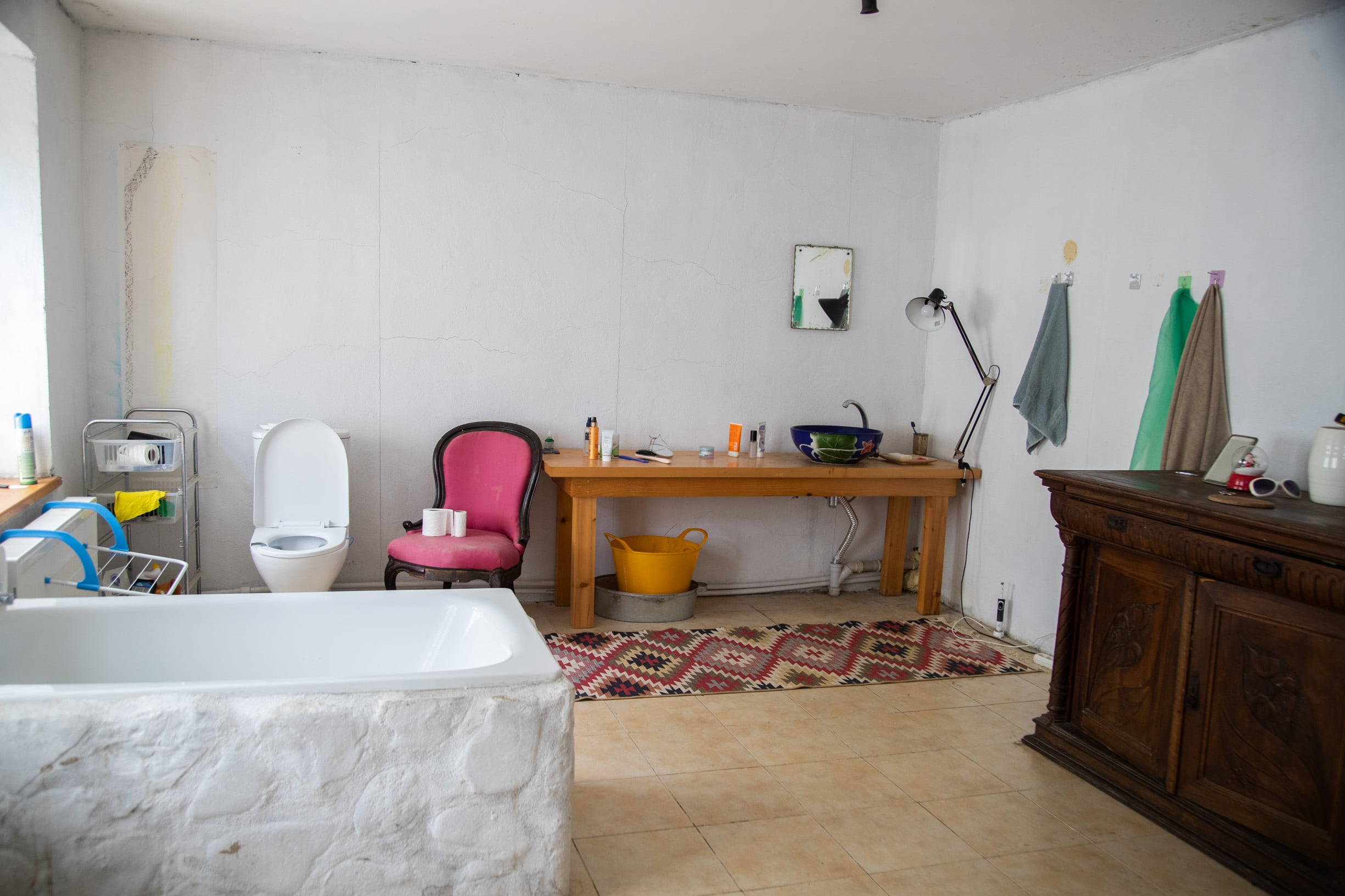
The house was built in the 1950s with lime and stone from a river. I know nothing about the previous owners, and when I bought it, there was only one room, the kitchen. I added the next room, and the next, and now, 14 years later, I am still renovating. The house is a work in progress; I change, and so my house changes too.
Given that you are an interior designer, how do you like to decorate? And does this help your creative routine?
Interior design is connected to your fantasies and imagination. It’s a way to play, and everything is connected to the work, which I do with pleasure. In the mornings, I go outside and have coffee in the garden with my roses and flowers. Afterwards, I begin. I love to work in the morning, and I work for several hours. Then I return to the garden and walk. All day long, I work, go somewhere, then return to work. I cook and read, and in the evenings, I watch films. Apart from this, everything is silent, a quiet meditation. Sometimes, I am silent for more than two weeks, which is very strange because I am quite a social person. But this is a different part of myself, and I find that my mind continues working even when I’m not. For example, I’ve noticed that the colours from my garden have come into the work. The garden and the felt are very connected. They need one another.
Have you ever struggled with creativity?
Of course. After my first solo show, I was very depressed. I had made something I loved very much, and I didn’t know if I would be able to make anything again. But now, I know that you have to be obsessed with the work all the time, and it will come. You just have to keep showing up, day after day, and you have to stay in touch with it. Sometimes, I talk to my pieces. When I see my felt in other places, it’s very strange. I think, oh, hi, how are you? You’re a good boy. And they are boys, always boys. They’re very strong, my flying carpets.
Your first solo exhibition was at E.A. Shared Space in Tbilisi in 2022, titled, after your father’s poem, The Night of the Wolf-Headed King. How did the exhibition go? And could you talk about the influence your father has on your work?
My father was my soulmate. He was my first friend, and I have a connection with him always. He taught me what to see in people, that kindness is the most important thing. He did not judge people, and he was quite a free man.
Before my first exhibition, I was thinking of him and what he would feel observing my work. I was frightened and nervous, and I needed support from somebody. I decided to make the exhibition for my father. I imagined his hand holding me, or him standing by my side while I was making the show. I took the title of his poem as the name for my show; his poem was about metamorphosis, and I connected to this deeply. I liked the idea that wool had been taken from a sheep, this weak animal, and that his hair had become strong, like a mountain, and turned into felt. My father had passed away by this time, and I was sorry that he never saw my works. He never knew about this new life I made, and he never came to my house in Nukriani. I think that he would be very happy to witness it.
I think he knows.
You know, I think he does too.
Related stories
Happy Victims x CLIMAX Books
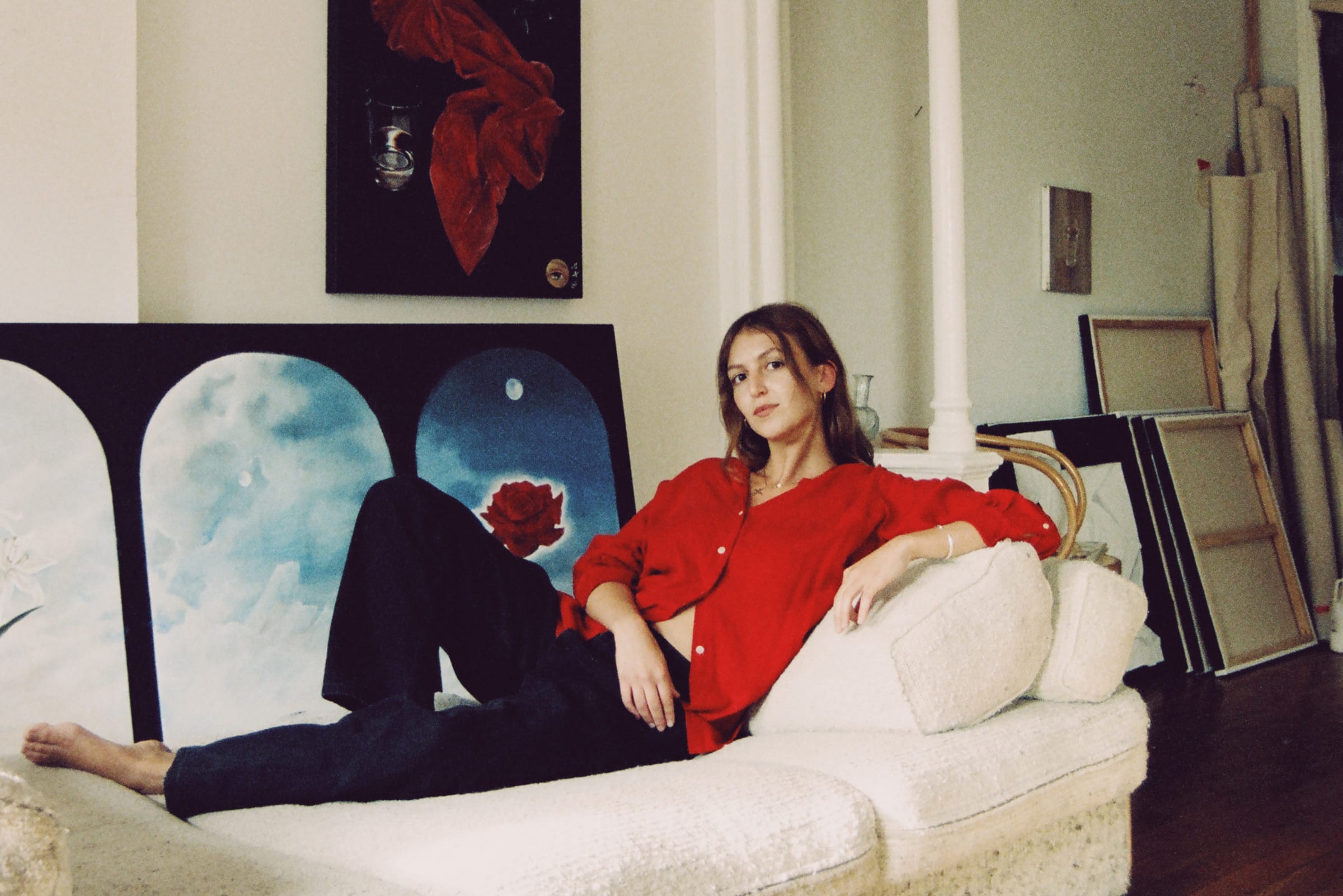
Andrea Smith
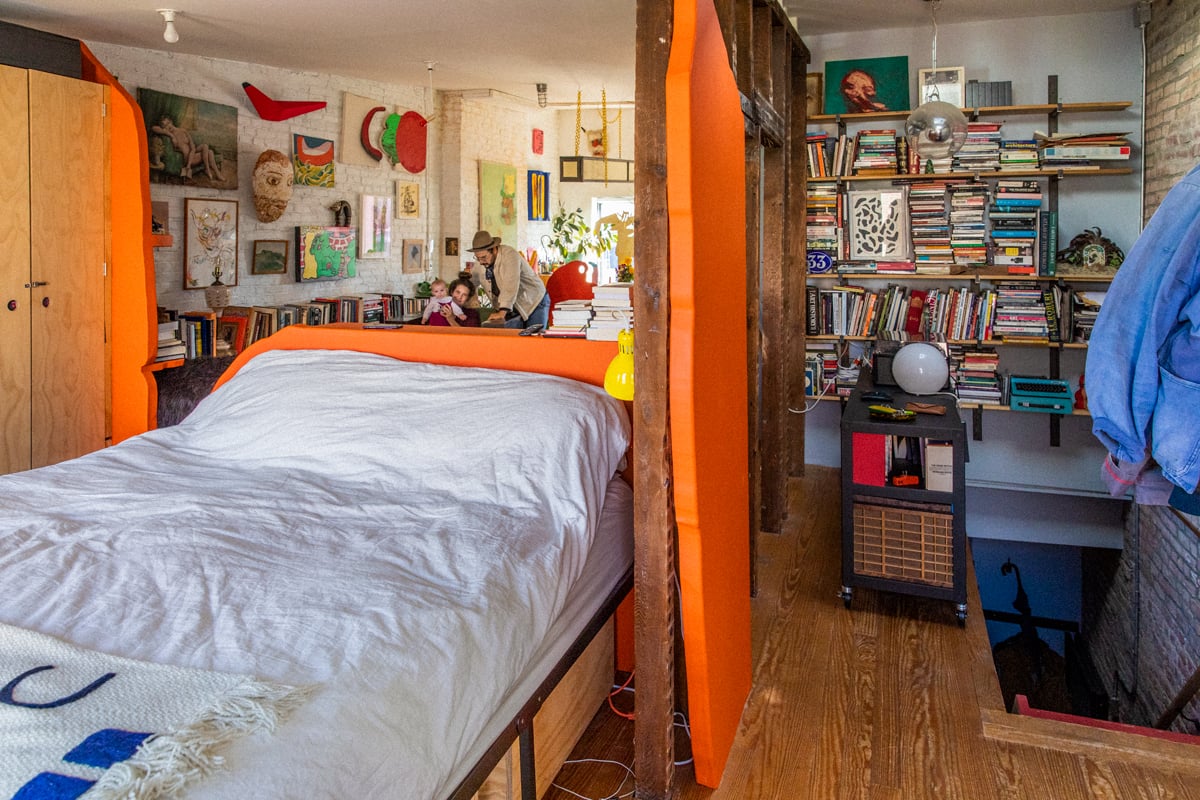
Serban Ionescu
 close
close
01/13

02/13

03/13

04/13

05/13

06/13

07/13

08/13

09/13

10/13

11/13

12/13

13/13