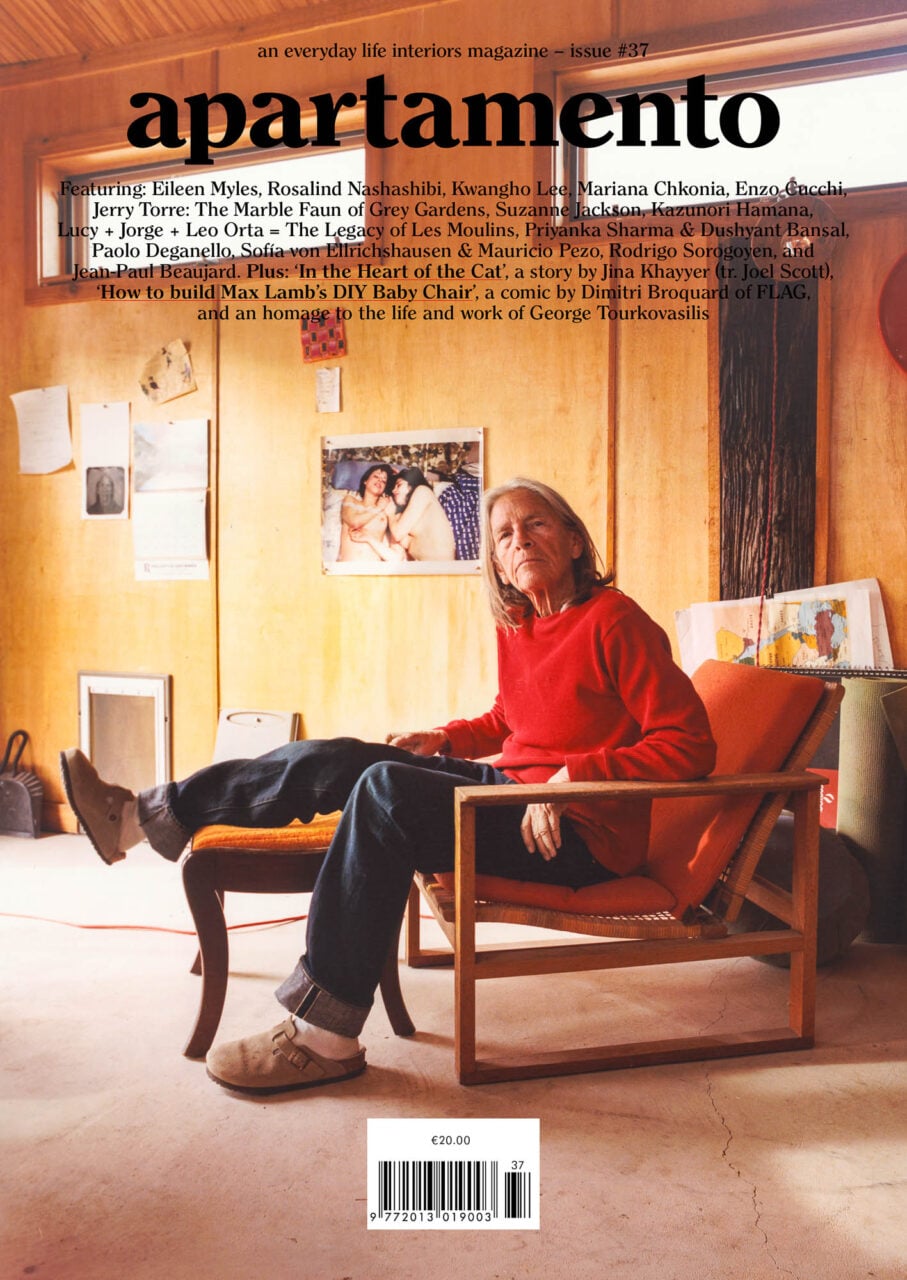
A conversation with Eileen Myles for Apartamento magazine issue #37

A conversation with Eileen Myles for Apartamento magazine issue #37

Eileen Myles

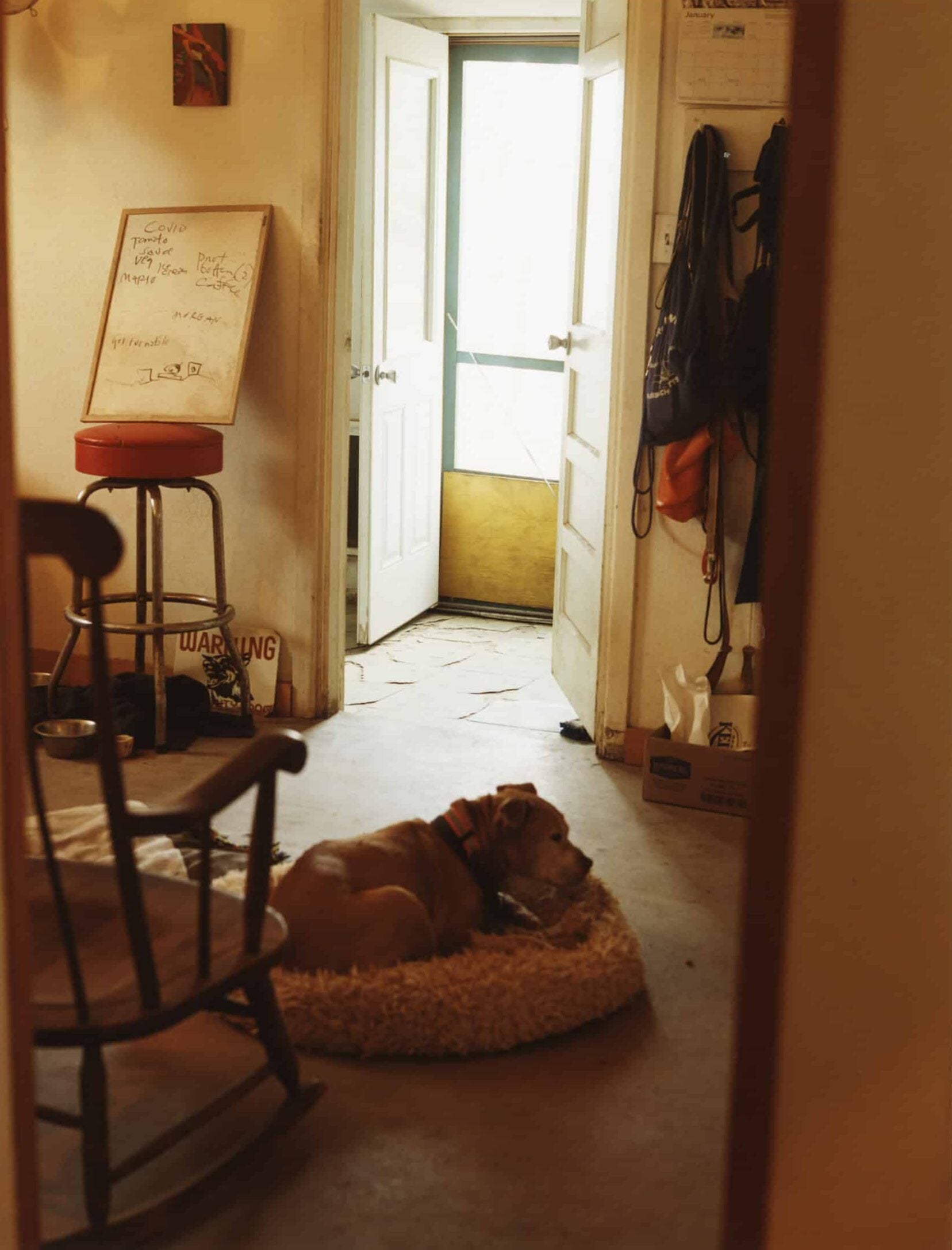
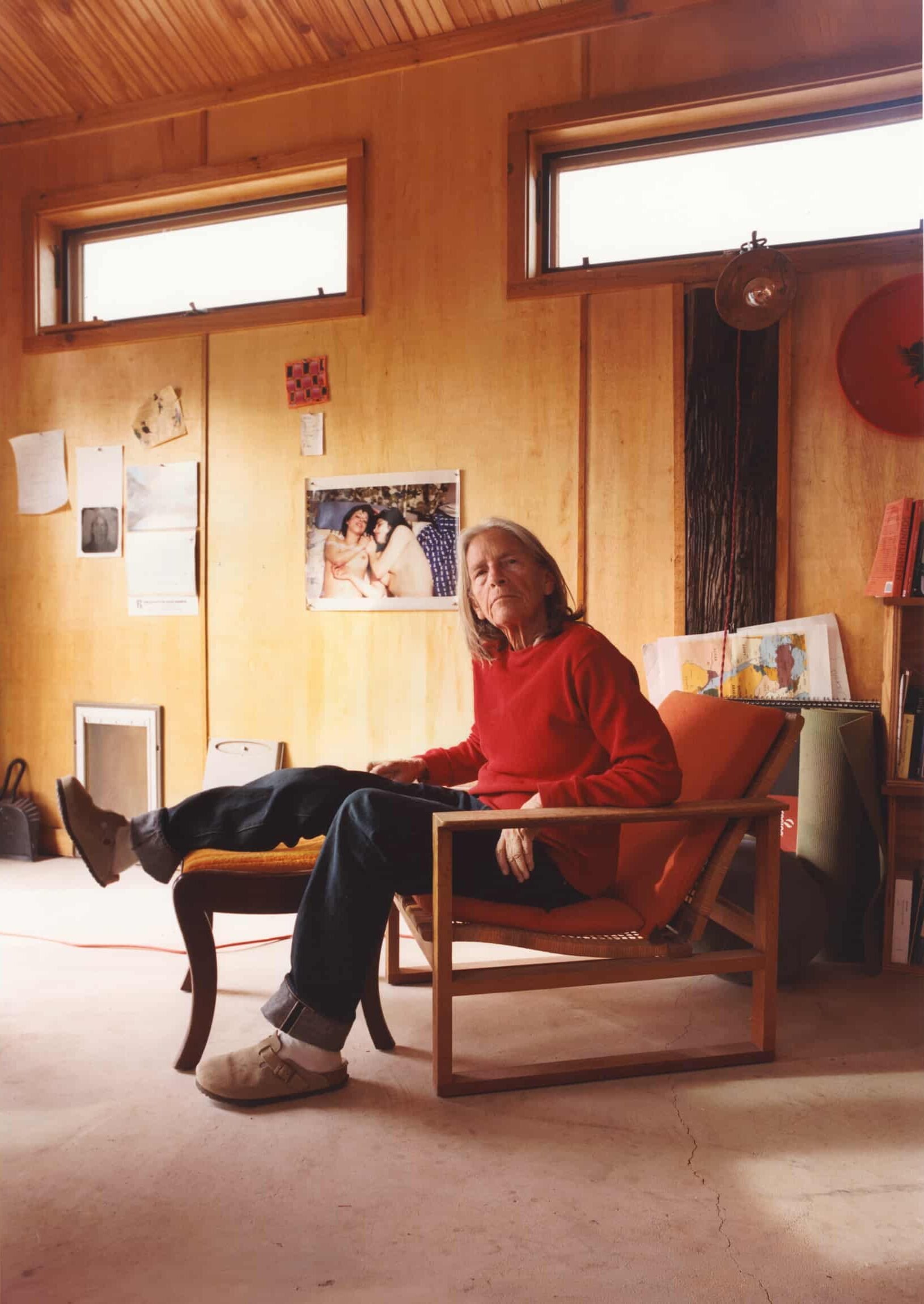
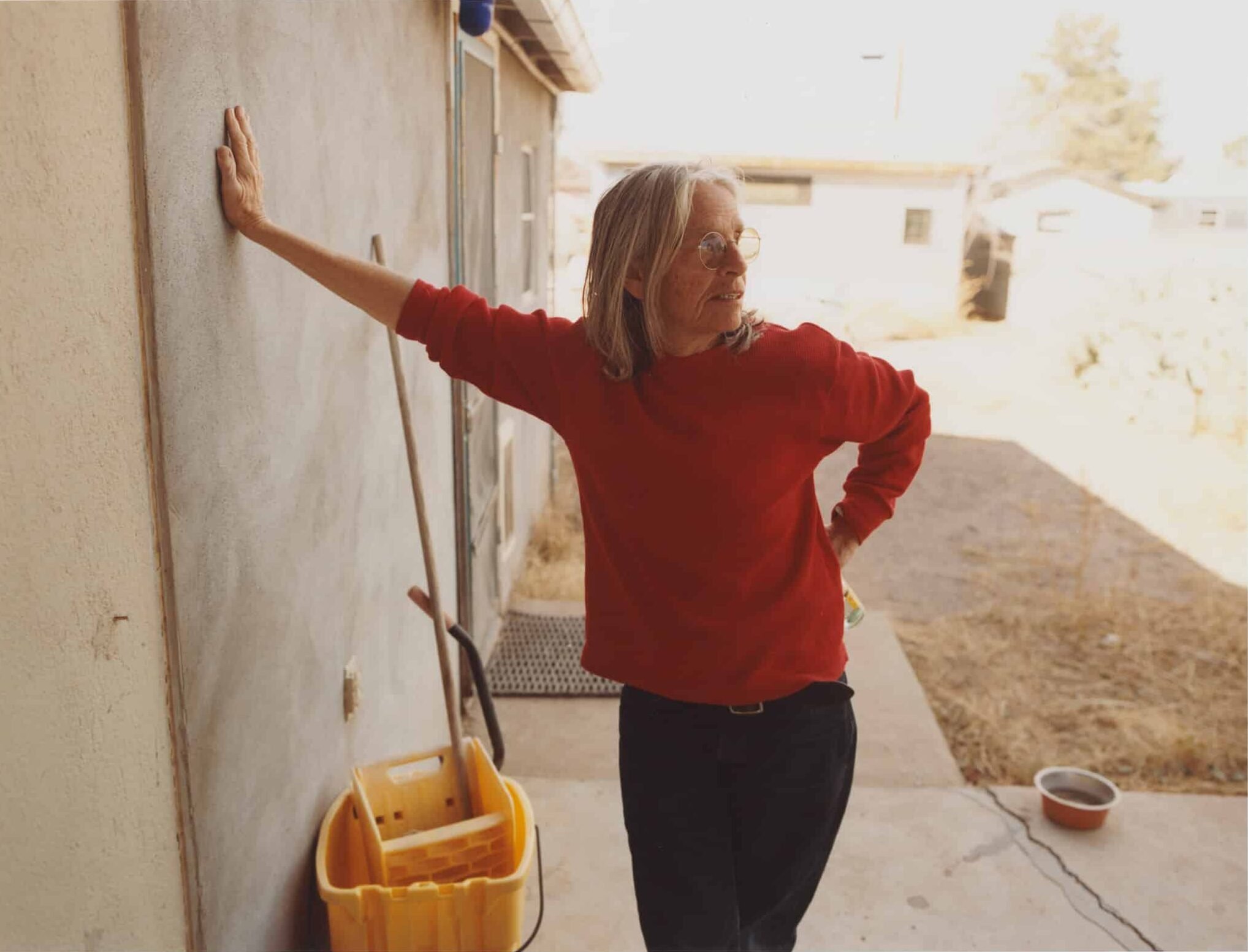
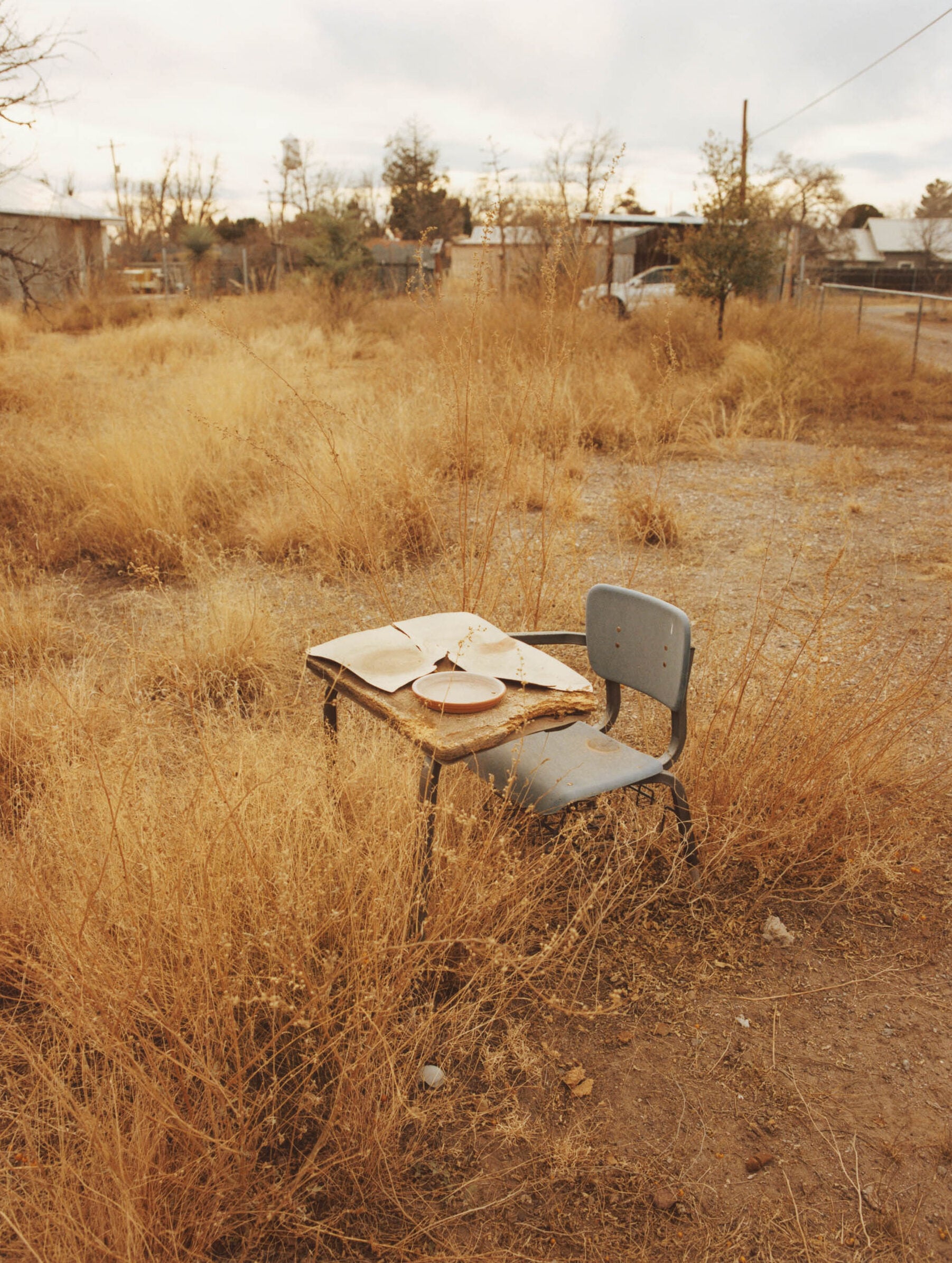
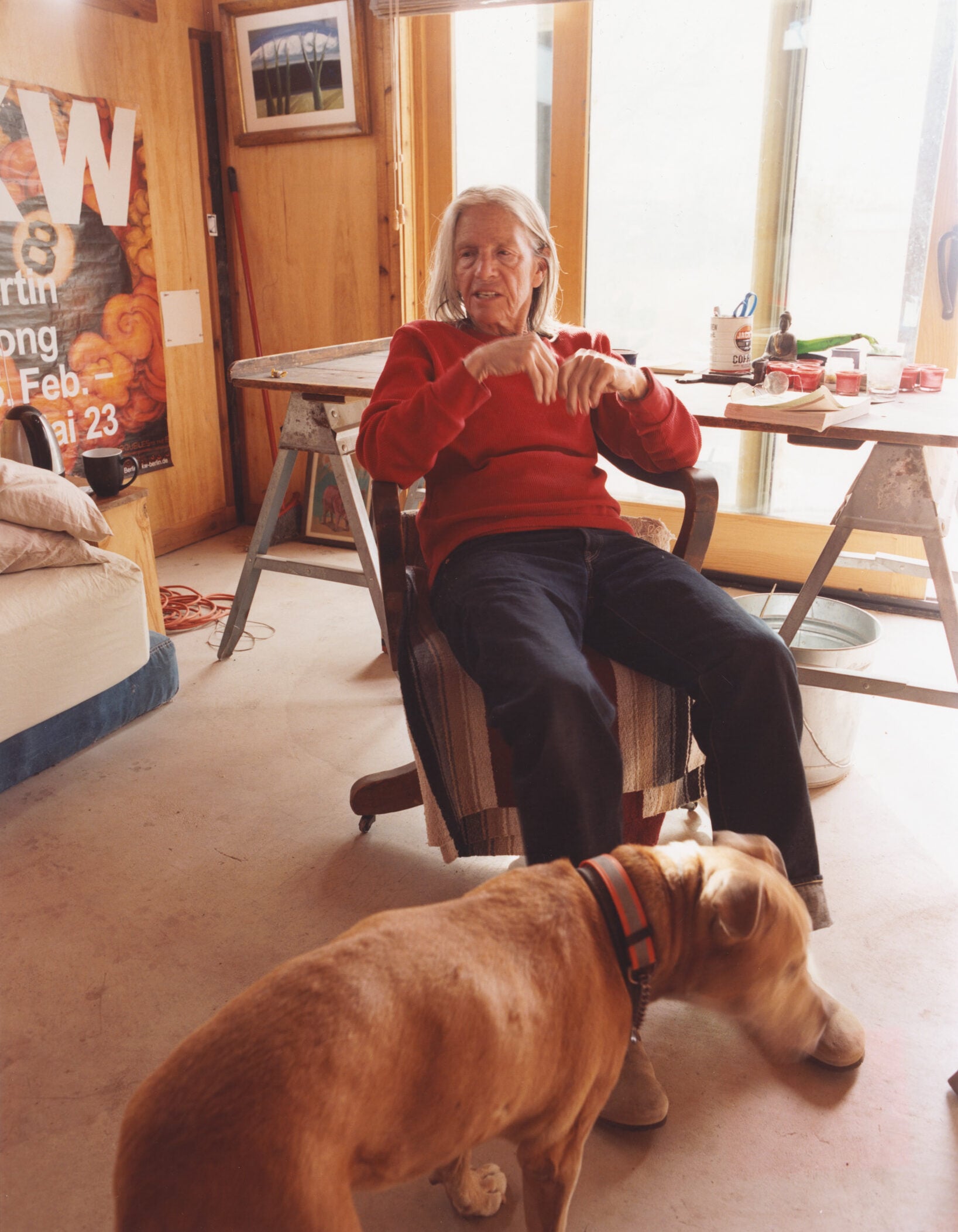
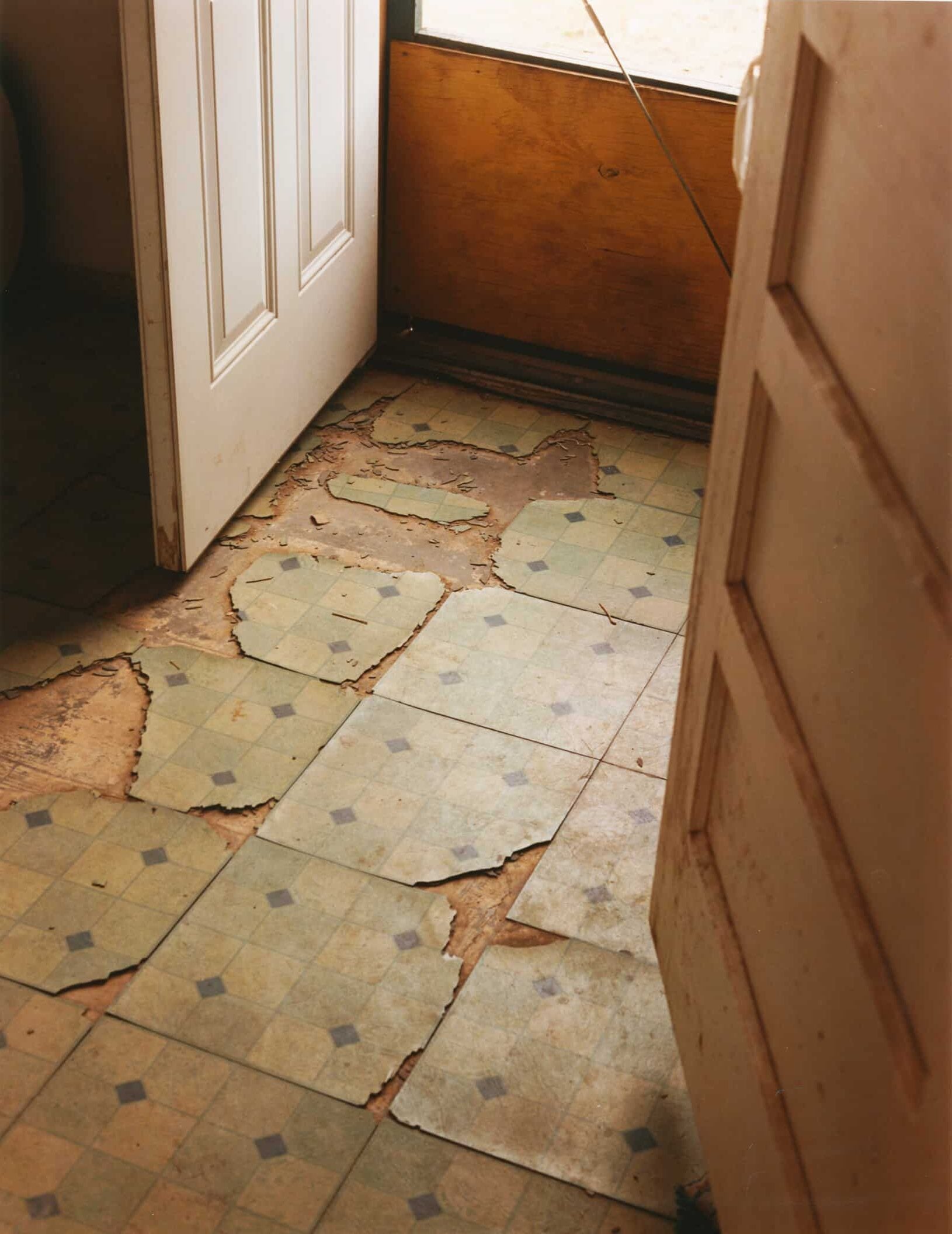
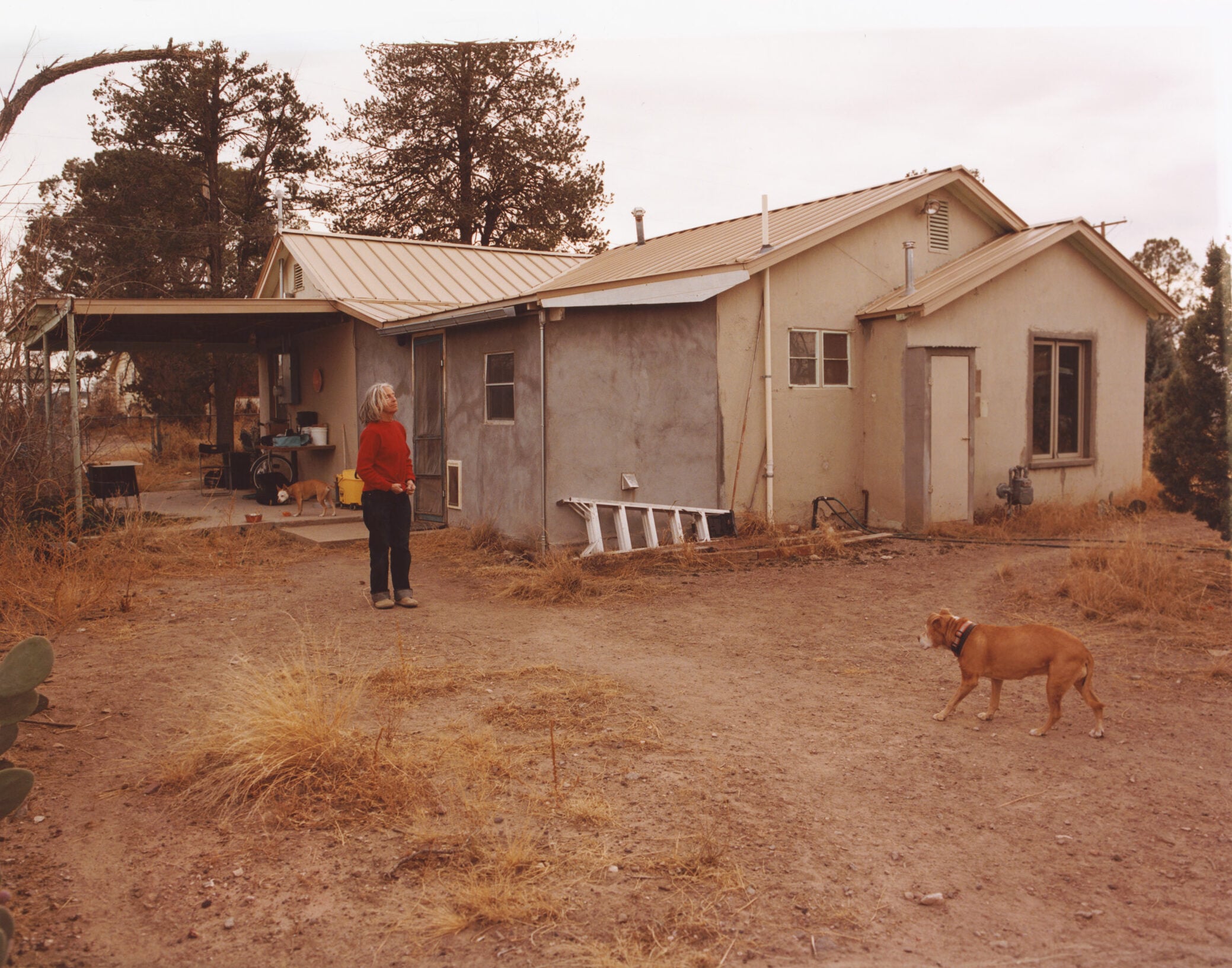
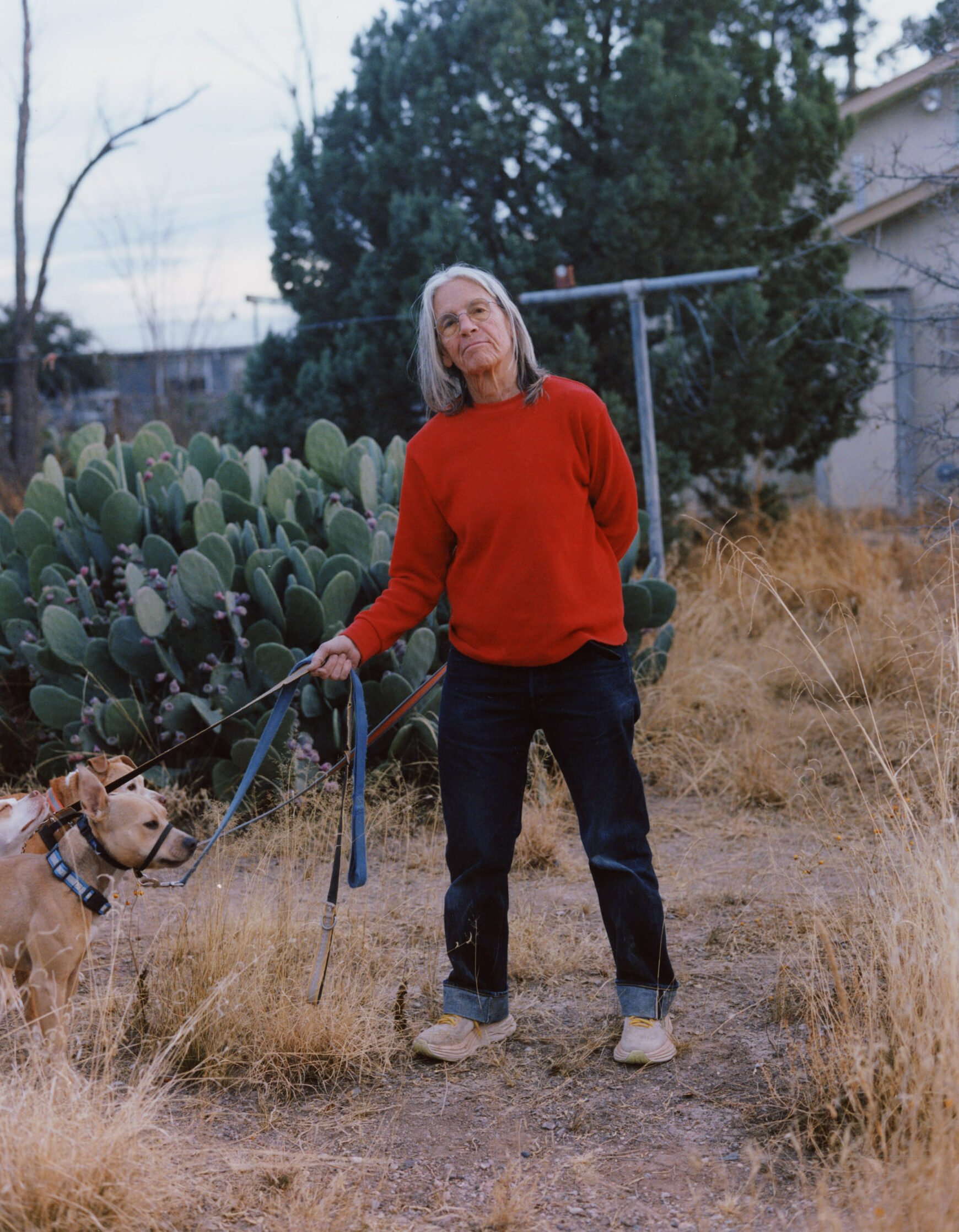
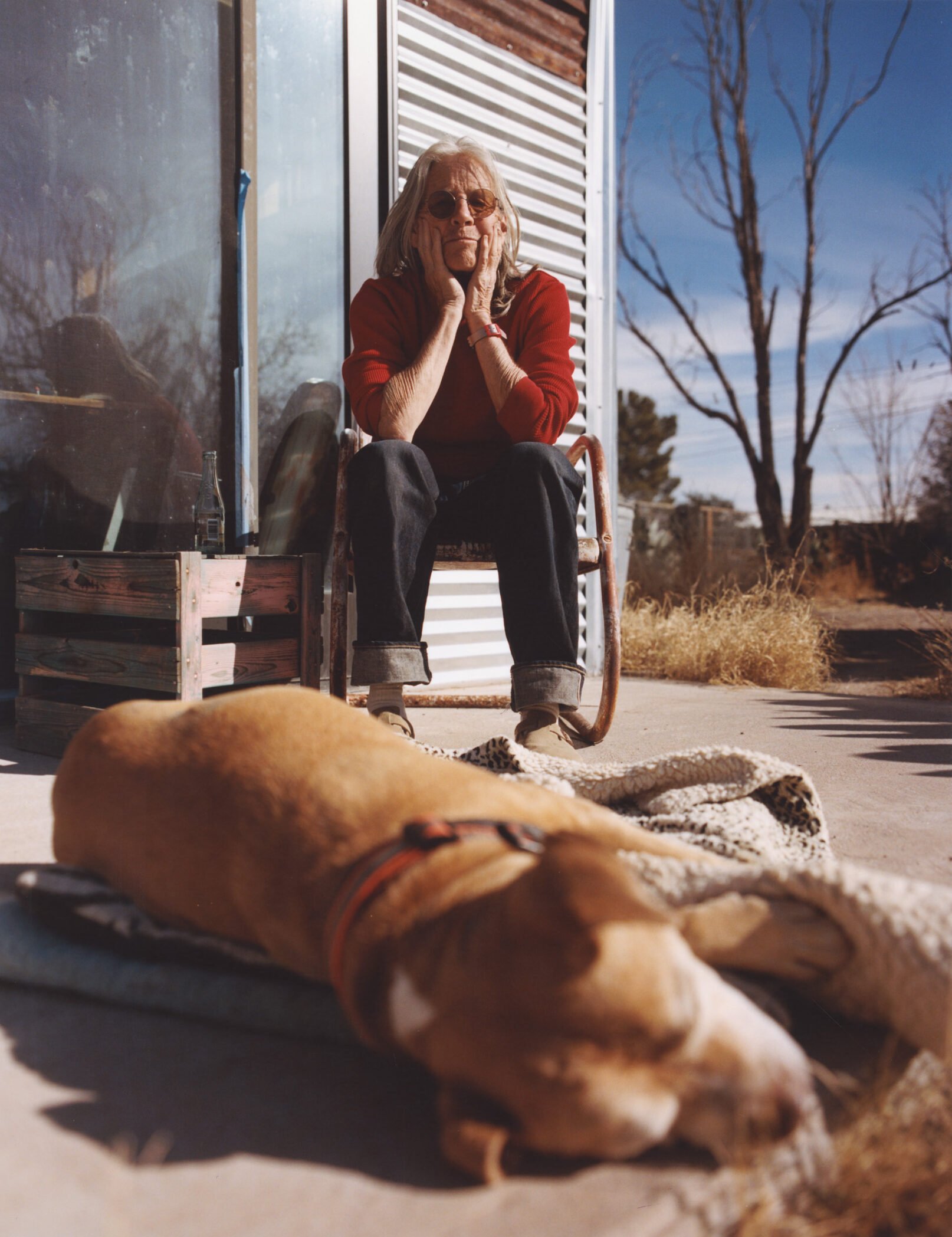
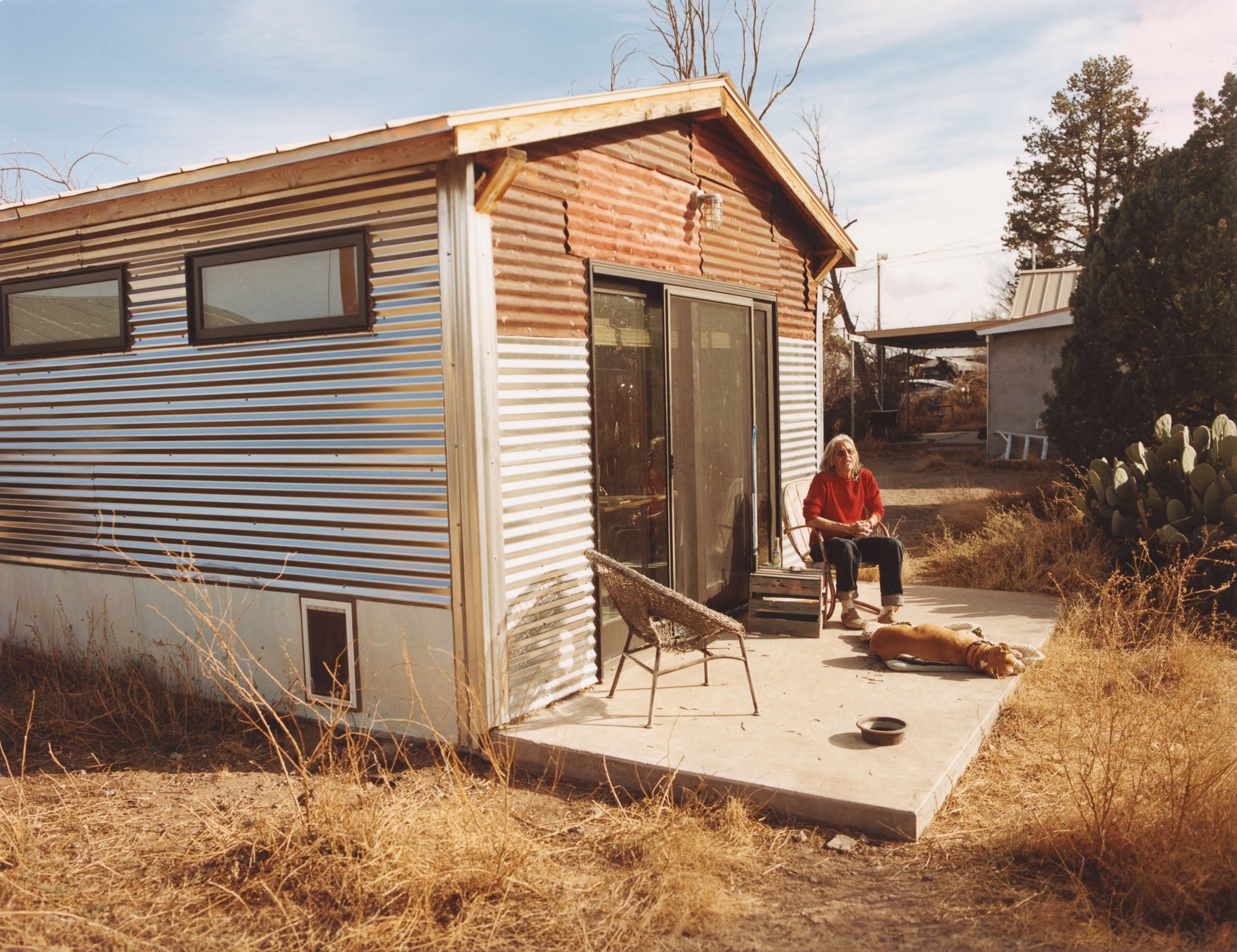
Marfa: ‘For a time I / stole trays / from hotels / & now I steal / cups’ writes Eileen Myles in ‘Göteborg’, a poem which becomes a love letter to desire itself. I wonder if any of the stolen objects exist in Eileen’s real world: ‘Yeah, and it was a beautiful wooden tray. That lives here’. Despite famously moving to New York City to become a poet in 1974, a metropolis which serves as the backdrop for much of their work, in this instance, ‘here’ is Marfa, Texas. Situated in North America’s largest desert with a population currently under 2,000, Marfa became a magnet for creatives after the artist Donald Judd moved there from New York in the ‘70s, and there has been an uneasy truce between outsiders and locals since then. Jokingly referred to as their ‘fortress of solitude’, Eileen’s Marfa home looks like many on their street, with a pickup truck parked outside a chain-link fence and little city blocks of prickly pear cactus dotted around their lot.
Eileen’s work has been translated into dozens of languages, and they have published more than 20 books across poetry, fiction, and nonfiction, earning them a Guggenheim Fellowship and an Andy Warhol Foundation Arts Writers Grant. One of Eileen’s many superpowers as a writer is their ability to marry first-person narrative with more ephemeral truths, or, as they say, ‘trusting the mechanism of desire…[the] desire for certain language to sit over some curve of a moment’. This realness, coupled with writing about a character named ‘Eileen Myles’, has also led to being flattened by labels—another Charles Bukowski or Patti Smith—as they slid between poetry and prose. ‘I have a specific system that downplays grammar in a lot of ways’, they say, but their system of delaying any easy resolution is also grammatical; there’s a really tight thought, but they don’t let it resolve immediately. We are taken away, shown something new. The action is deferred until the text realises its necessary climax.
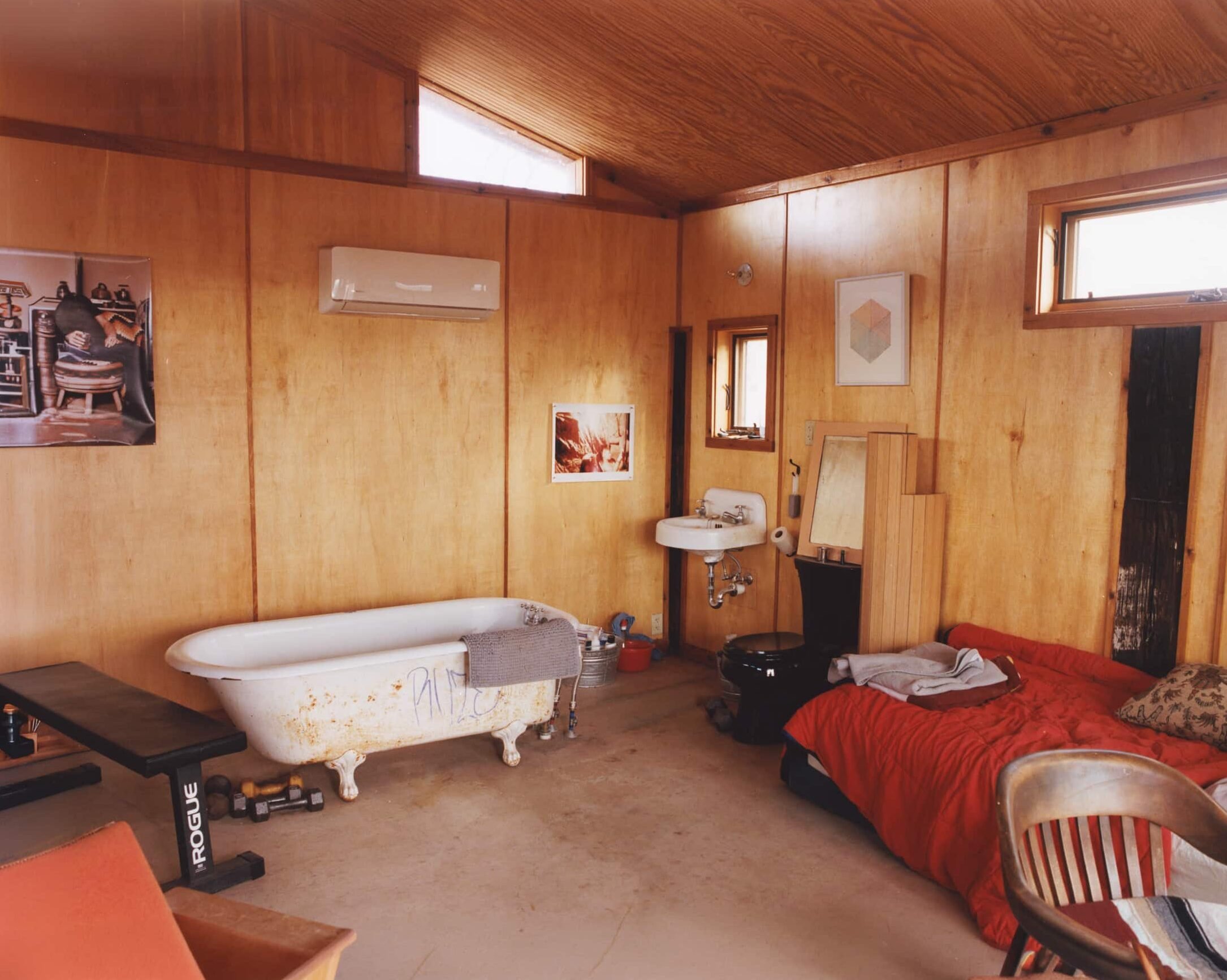
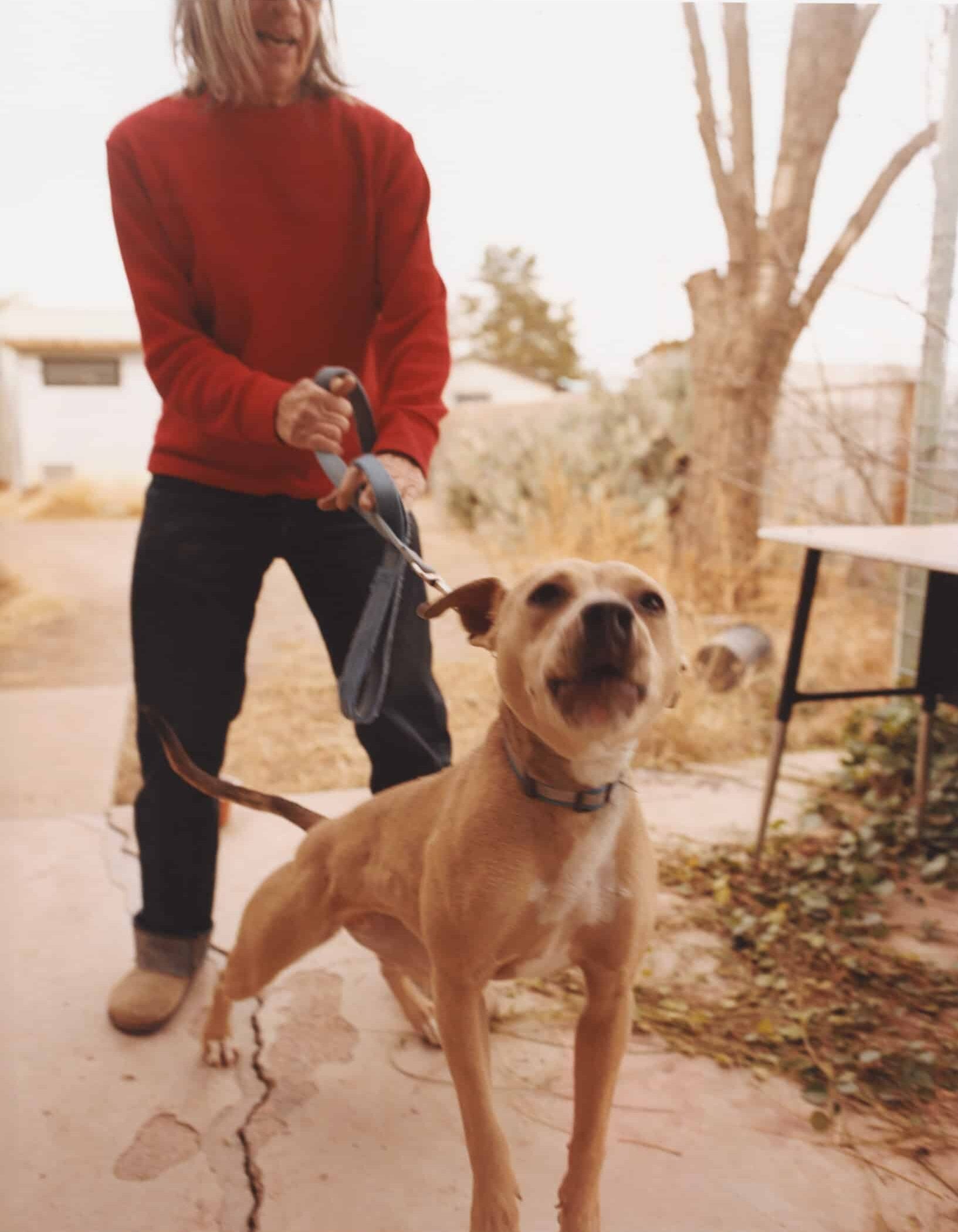
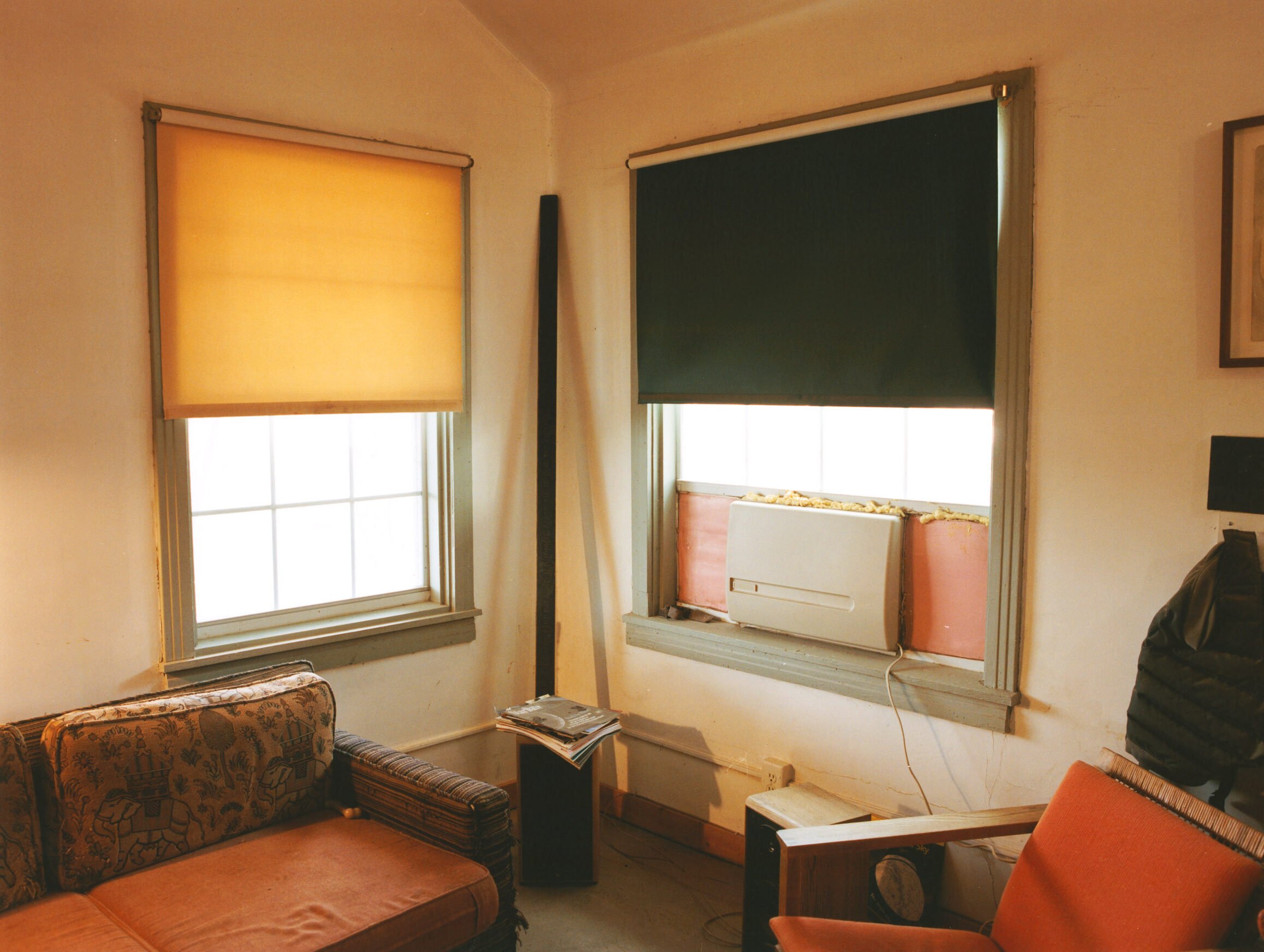
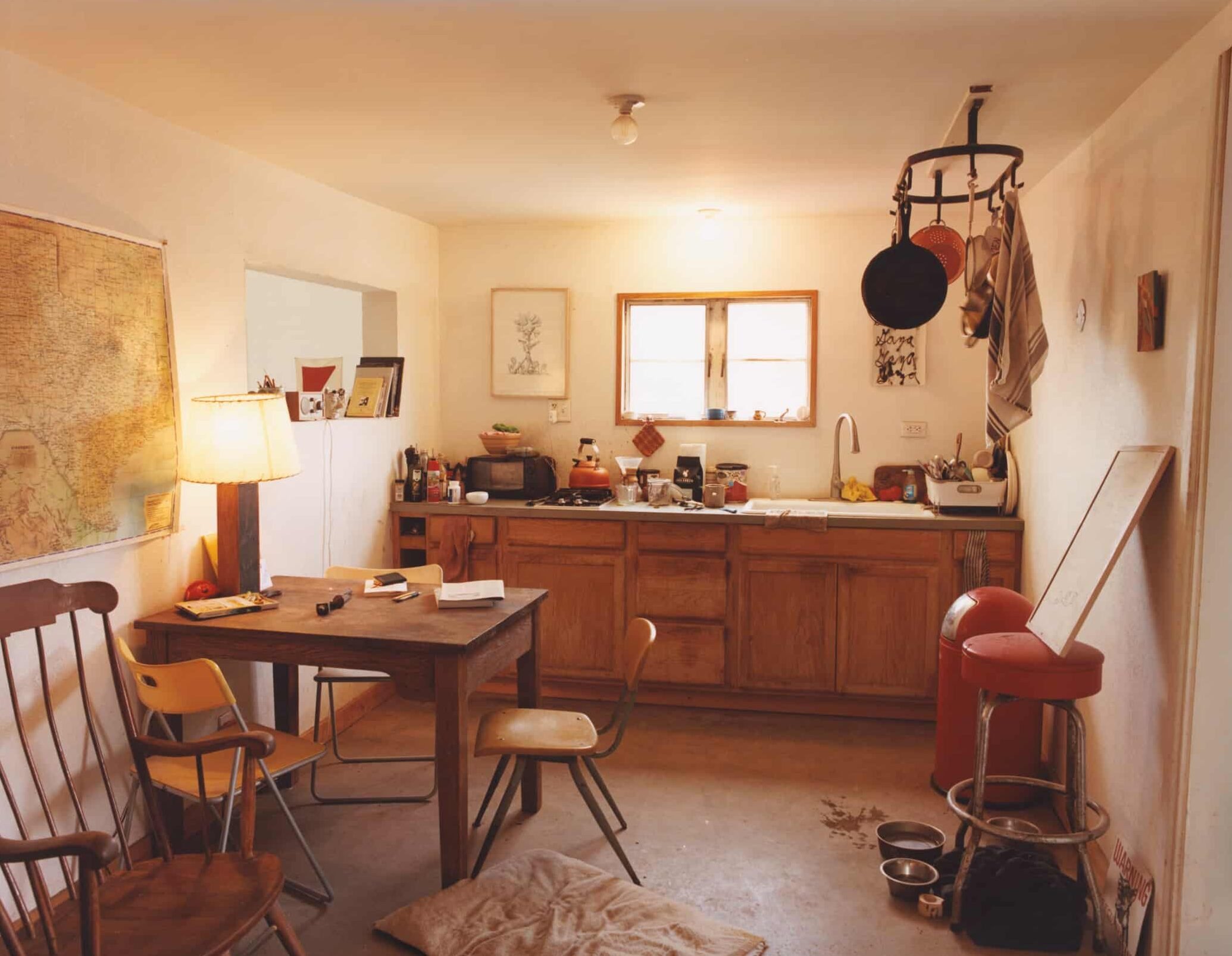
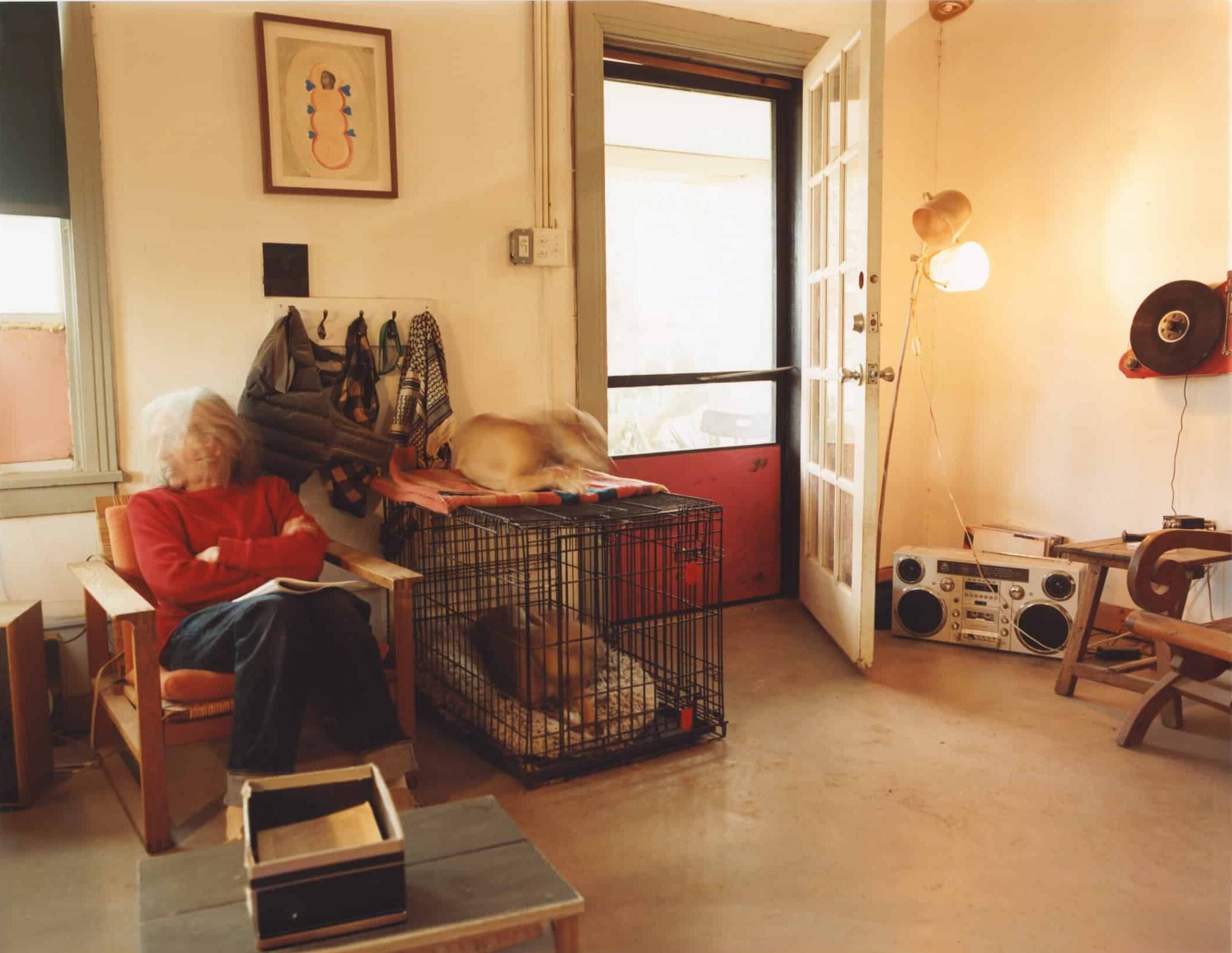
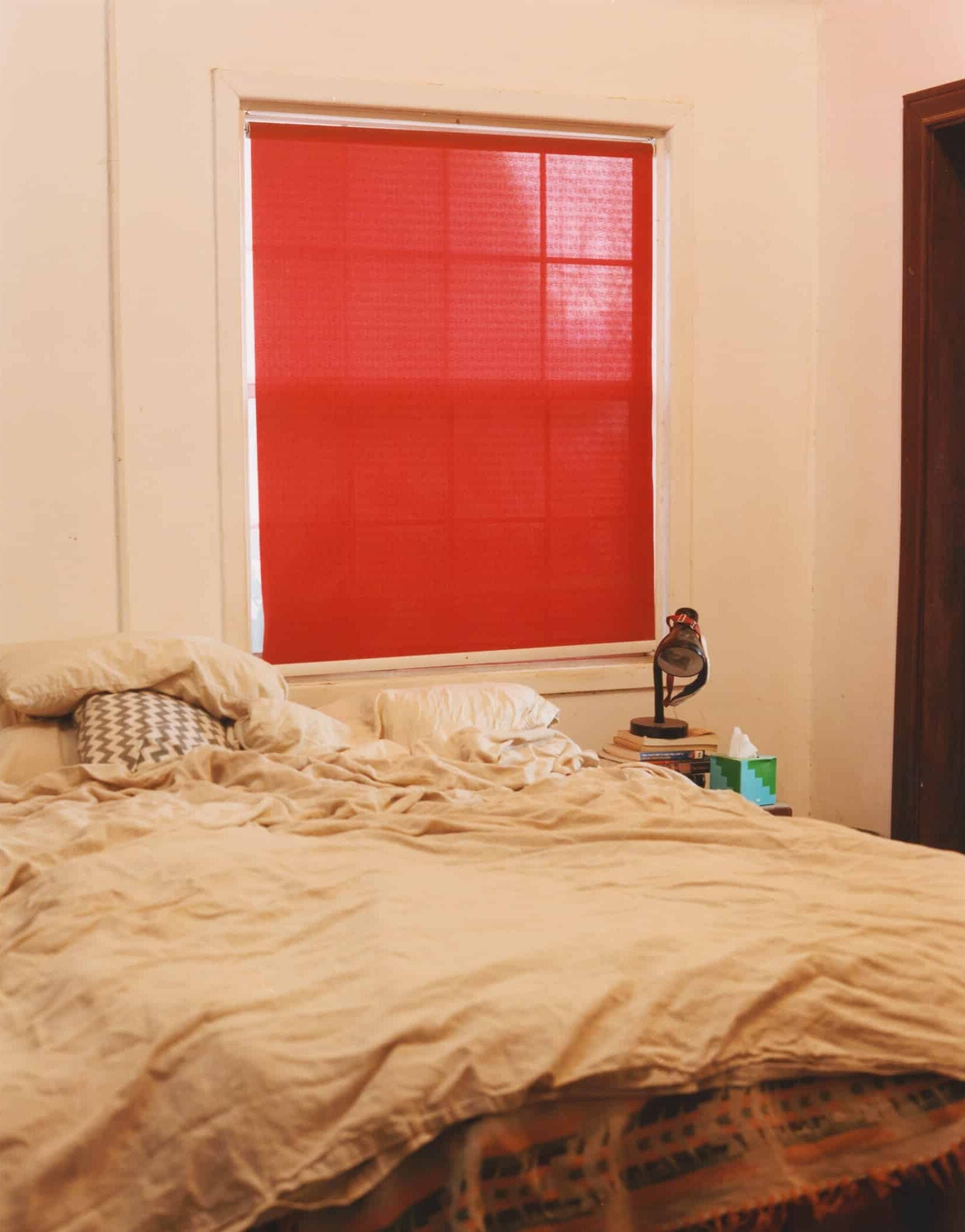
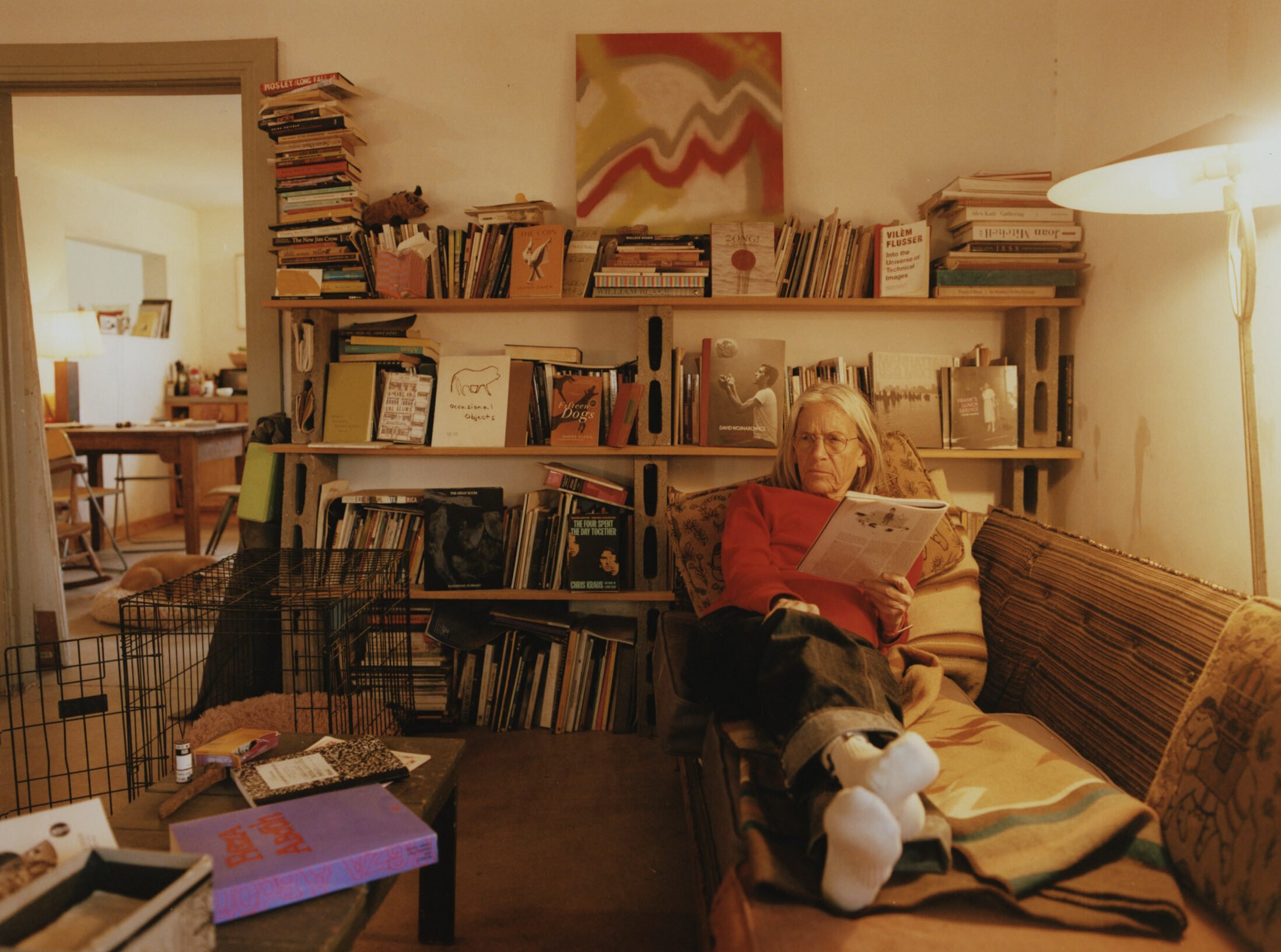
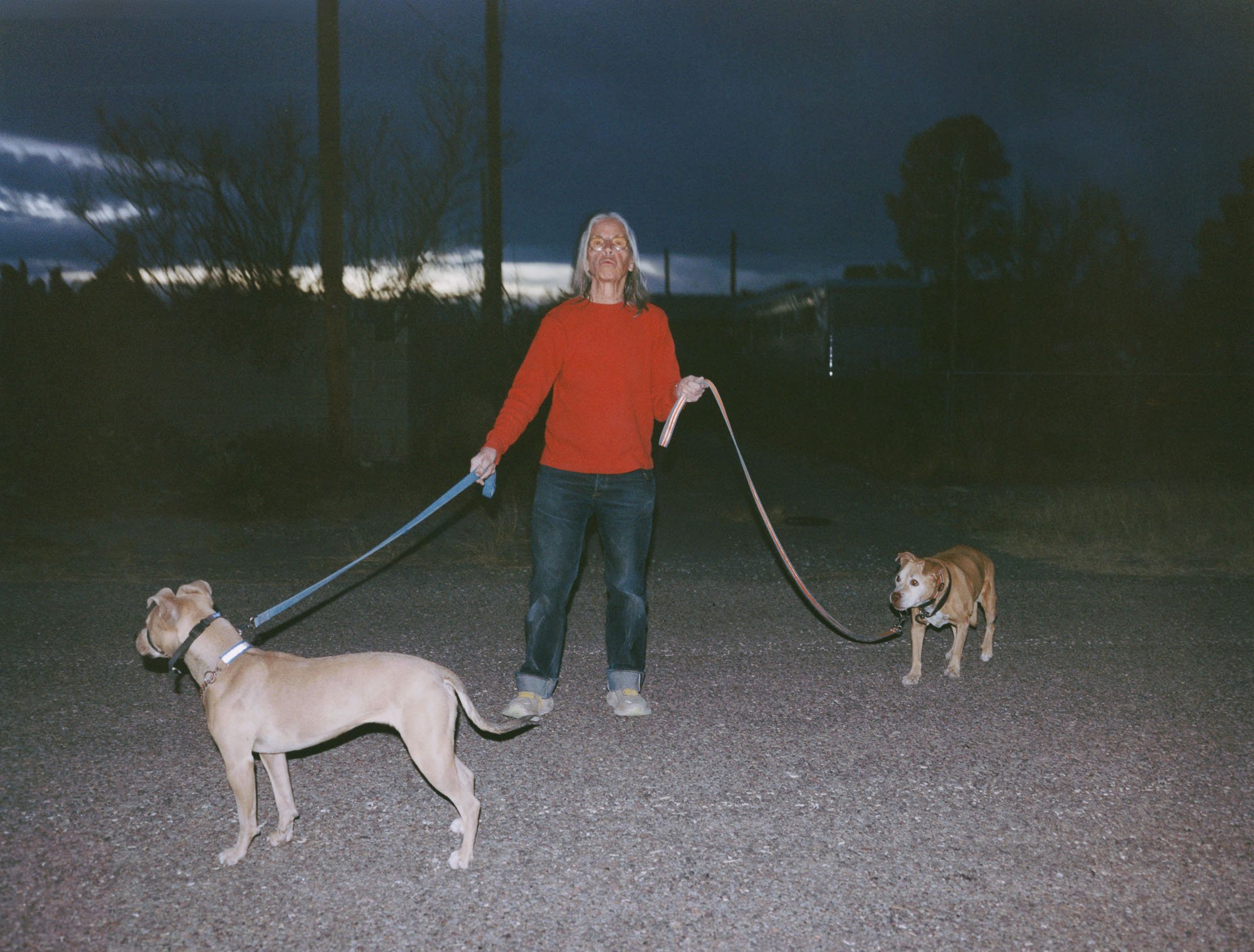
Inside their home, cut-outs between rooms create a flow where kitchen peeks into office peeks into bedroom peeks into living room. A big picture window in their office, paid for when the show Transparent bought some of Eileen’s poems and based a poet character on them, looks out into the yard towards their ‘writing shack’ which sports a clawfoot bathtub, a bench press and weights, and a desk facing double sliding doors out onto the porch where we sit and sip Topo Chico. While access to DC Comics’ original Fortress of Solitude is controlled by a key carved from super-dense dwarf star material weighing half a million tonnes—imagine lifting 100 elephants or the weight of a small cloud—Eileen’s own abode is guarded by three desert-coloured pups who sound an imposing alarm when we pull up.
 

Apartamento Magazine - A conversation with Eileen Myles for Apartamento magazine issue #37

You’ve now been in Marfa for 10 years—do you feel you’re going to be part of the community for good? 

Yeah. I mean, unless I have to leave the country. I came here for Lannan [Residency Fellowship] in 2015. I had never been to Marfa, so I did have the, ‘Oh my God, what a weird, perfect place’ feeling. This is too much of a story, but my mother was dying in Western Mass at the time, and I like it out there. I was thinking, Western Mass, I’ll buy a house there, but it’s really expensive—East Coast and heating. I bought this house in the same month that I came here for residency.

I didn’t realise it was so immediate. You said, ‘I’m doing it, I’m pulling the trigger’.

I’m not always that decisive, but this is the place. The house next door, there was a going-away party there, and this house was empty and a little abandoned looking. We were walking around the yard trying to look in the house, and I was thinking, this would be fine. I had met Mary Farley, this real estate person, but she’s very art world and was married to Matthew Barney. I asked Mary to show me some houses, and the next morning, this is the first place she took me to.

It’s lovely how the ceilings are surprisingly high for this kind of house. It’s nice just having the head space.

It’s great. All the ceilings were kind of low, so I had to tell the crew of guys to vault the ceilings a few times before they did it. I also cut out these windows between rooms so the house would not feel dinky. I knew I didn’t need privacy, and it’s good because I don’t really encourage guests.
I was single at the time, and I’m always a two-year, four-year relationship person. I’ve never gotten past four and a half years with anybody. I’ve had houses with girlfriends, but I wanted to have a house that was beyond relationships. So that was what I thought when I bought this place, and it’s really been that. I mean, I have had girlfriends here, but not living here. 

A space just for you. I love this tapestry.

He’s great. He’s a Chinati [Foundation] artist, Porfirio Gutiérrez. He’s Zapotec. That was the year of the two eclipses. I’m going to keep dragging you through because the art tour is really fun. That’s Etel Adnan, are you a fan?

Apartamento Magazine - A conversation with Eileen Myles for Apartamento magazine issue #37

Oh, yes. We had a piece about her in the magazine. Especially for out here, the shapes are amazing.

That’s a boat in the water. I think she was obsessed with them. I had the really good fortune to meet her in Paris and have lunch just before she died, and she gave me this. If we want to go outside, there’s a little deck we can sit on at the shack out here.

Is this the writing shack?

It is, it is.

It feels like a little artist colony, but also like a mini gym.

At some point, somebody was like, ‘Eileen, do you realise you’ve duplicated your East Village apartment in here?’ I was like, ‘Oh my God’. It’s smaller, but not that much smaller.
And that, of course, is van Gogh. It’s so funny that I have this reproduction of [The] Starry Night. But yeah, the reason it’s there is so great and sad. I bought it for my mother when I was in high school. There was a foreign language bookstore in Harvard Square called Schoenhof, which is very famous, and my mother loved the painting so much. It was in the house I grew up in, and when she left the house and went into senior centres, she brought it to each place, and she died underneath it.

I love that because I want to ask about your childhood home and how it informs how you build your spaces now. There’s a poem from a “Working Life”, ‘March 3’, where you say, ‘When I was / young / I liked the / emptiness / of my / home & / now like / it or not / here is / this sweet / accumulation’. How do you organise this space versus your space in New York, which has decades of history?

They seem like extensions of each other. They’re not that different. Here we’re sitting outside, and in New York, I live in a small space; it almost seems propulsive. You have to go outside. No matter what writing schedule I’ve been on, it generally doesn’t work because I get so excited about who’s there. I’m always wanting to be like Beckett, the unavailable artist. You can’t ever talk to Beckett, you know? But I get a lot of energy from my friendships and relationships and conversations. My apartment in New York is very womb-like, in a way, and it’s fun to stay in because you’re kind of safe. My apartment faces a cemetery, so out the window is trees and birds and grass.

Apartamento Magazine - A conversation with Eileen Myles for Apartamento magazine issue #37

Not the typical New York view.

It’s really nice. I have that connection to nature, and I would be unhappy sleeping someplace where there weren’t trees within view, so I have that in both homes. But this is really amazing, to have this much land in back of my house—around a third of an acre.
For a New Yorker, this is a whole realm of different concerns. Rather than going out, I water trees. A few years ago, there was a drought. I came home, and I was like, oh my God, my trees are dying. I didn’t know established trees needed to be watered, and I panicked. 

Suddenly, stewardship of the land is a thing here that you don’t have in New York.

Exactly. In New York, I’m not a plant person. I can hardly keep any kind of plants alive. I’ve never had that talent for it. I like dogs because it’s very clear that you have to walk them. Plants just die, you know? They have no extroversion, and the squeaky wheel gets the oil.
My mother was a plant person, and anything she touched thrived. She watered them, and she talked to them—she just had a way. But she didn’t talk to us.

She was nurturing, but only towards plants?

She was a very funny woman. She would go to the supermarket and suddenly perform for the cashier, you know? But she didn’t ever ask us a personal question. I don’t remember her ever asking me anything about how I was. Ever. My dad was a very different person, but she was not a nurturer.
But the quote from the poem is true. I struggle with it because when I moved to New York, I  lived in a group apartment on the Upper West Side, and then I moved to SoHo, but I didn’t really find myself until I moved to the East Village. It was the ‘70s, and it was minimalism, and I was adamant that I wanted very little.

It’s two questions: New York versus Marfa, but also younger self versus now. Usually, minimalism has a reason.

Yes! It has a reason—I mean, I’m a poet because they can’t take that away from me. Growing up, I wanted to play musical instruments. I wanted to take special art classes. I was a really creative kid, but they were like, why do you want that? Who do you think…?

Apartamento Magazine - A conversation with Eileen Myles for Apartamento magazine issue #37

Love that distinction: Why do you want that? Who do you think you are? 

The latter really was always the undercurrent. Poetry is so funny because you could just be a sneaky little fuck, writing at your register, writing at any kind of job. Poetry was a kind of secret universe in a deprived life. Like Aladdin—you rub the lamp, and suddenly you go into this incredible space. It’s such a deprived kids’ fantasy of untold wealth and expansiveness. Who in New York hasn’t had that dream? You open the closet in your apartment and discover there’s all these other rooms.

I made that a design scheme when I was young, but not just with the look of my apartment—I treated my work like that, and it was such a mistake in retrospect because I would write a poem, I would write all these drafts, and then I would destroy all the drafts. I wanted there to be only one poem—that was very important to me. It was so stupid because I lost a crate full of manuscripts between 2009 and 2011. They might come back to me, but every year I made a binder of my best finished poems of that year, ‘78, ‘79, all the way up to the ‘90s when we had computers. And it’s gone.

That’s such a nightmare.

Luckily, I was very ambitious, so I published a lot of the ones that were good. But it was the era of writing on your manual typewriter, and that rat tat tat tat proved that you were a writer, the very sound of it. Often, I wrote the very first draft on the typewriter, but I rarely write the first draft on a computer. 

I’ve been wanting to go back to handwritten.

Yeah, the computer feels like a level of publication. But my apartment was just a desk, a cot, pull-chain lights that I made into ropes. I remember Rene Ricard coming into my apartment, and he was like, ‘Oh my God, this is monkish, butch, maternal’. But I think I wanted to make the small, big. My fantasy about my apartment was that it was a baby loft. Lofts had a lot of space, and the only way you could mime a lot of space was to have very few things. I also noticed that poor people always had a lot of stuff. I didn’t want to look poor, so I wanted to have very little.

There’s a quote from Chelsea Girls where you say your mother wanted a lot of good stuff, nice stuff, but there’s definitely a class thing of a big empty room being fancy. I’m curious about your working-class roots and that dynamic. For me, that is so Marfa because of Judd. I grew up coming to West Texas but only going to Big Bend and Fort Davis because Marfa was not ‘for us’. Marfa was art, and we weren’t afraid to go there, but the first time I went with my friends outside of a family trip, we drove through Marfa almost as a transgressive thing.

Ha! What year was this?

Apartamento Magazine - A conversation with Eileen Myles for Apartamento magazine issue #37

Two thousand and seven, maybe. I don’t think we even got out of the car because Marfa was for people from California and New York, but later I went to university and learnt about Judd.

That’s my relationship to Henry David Thoreau. We used to swim in Walden [Pond], and you would see these tourists with these little straw hats on—the Cambridge people. We were like, there’s nothing there. Then I went to college and read Walden, and Thoreau was one of my favourite writers.

Marfa always has that major tension between the people who are from here and the art people who come in for the Chinati Foundation or Lannan or Judd, and it’s not that ‘Never the two shall meet’, because they do meet.

But yeah, they’re at odds. It really is the story of the town, and it’s the struggle of the city government and different interest groups and mismanagement and corruption. Old Marfa ultimately wins, and Chinati is not regarded as old Marfa. They say ‘Chinazis’.
There’s obviously things to be said for both camps, but we tried to get a ceasefire from the city council of Marfa. The support was huge; we had a table in front of the post office, and we got 500 signatures. The people on the city council are in office on far less than 500 signatures.

They came into office on fewer than 500 votes?

Yes! But we had to go through the city council to get it, so we brought all these signatures. It was a packed meeting. We all made comments. We were very passionate. But they break all the rules, and we were 100 percent stonewalled. We couldn’t even have a public discussion about it. They just let us be in the room. They let us spew. We had more power than they did, but not of the right sort. In my experience with the New York City government, it’s the exact same.

Apartamento Magazine - A conversation with Eileen Myles for Apartamento magazine issue #37

Aesthetically, it’s different, but it’s really the same system.

It just comes down to who needs something, who wants something, who’s making deals, who do you think you’ll get things from in the future? 

When we pulled up to your house, I was looking for the number, but I was also looking for your ‘DON’T FORGET GAZA’ sign, which I’d seen on Instagram. No matter the content of your posts, your captions end with a call to free Gaza.

It’s just ubiquitous in my work and in my life at this time. I believe it’s the centre of the world. I believe the conflict there is right at the heart of everything we’re struggling with, whether it’s ICE or saving a park—every single struggle seems to be right there. 

You said if you’re giving a reading, you feel weird if you haven’t made a statement, even if the work is already explicitly about it. You have this compulsion, which not everyone does, so if people come casually to your Instagram, they can’t dip in and dip out and not know where you stand.

It can’t not be in the room. How can people just proclaim their new book is coming out and say, ‘Hurray for me!’ when people are watching their infant die? Donald Judd, if he was alive, would be making a stand. He would bring it down.

Yes, in Donald Judd Writings, with the way he writes about the Mexican community in and around Marfa, you can see how he would feel right now.

But I look at myself and think, do I have a lot to lose because I don’t have a teaching job, I don’t have a family to support? I have these animals, but what’s my risk? On the other hand, in a life that is supported by many sources, but no one source—I have the US government for Social Security, and I’m receiving a pension from the University of California—if either of those institutions either went under or decided, for political reasons, I would be cut off… I mean, I don’t think that’s going to happen, but I don’t know what has happened and what has not happened to me because of my political stance.

Apartamento Magazine - A conversation with Eileen Myles for Apartamento magazine issue #37

It’s interesting to come at it from a point of risk. That’s the excuse: ‘I can’t say this because I’ll lose my job’. 

‘Because of my children’, or ‘I’ve got a family’. There have been weird moments in my career where things just went cold. I can have all sorts of paranoid maps of my life and my career, but that’s just a different way of experiencing risk. 

I’m also curious about your community; you mentioned Tim Johnson of Marfa Book Co. in your remembrance of Bobby Byrd, and it seems like there is such a constellation of creative people here, but what does that look like?

It’s sort of acquired. The sociality here is really fun because it’s very much in people’s homes. There’s a theatre guy, Rob Weiner, and he’s such a force in town. He has a house with a long table, and people come to Rob’s on Wednesday nights and collectively pick a play and read it. The one we did, Measure for Measure, we read it and then eventually had a performance. Wallace Shawn was in it. I played opposite him.
The other thing you do is go for walks. People walk dogs together, and it’s very—I want to say ‘fraternal’, that kind of feeling like you have a lot of siblings

And are you hosting or are you mainly going to other people’s homes? 

I’m never hosting, but it’s funny because Mark [So] lives here when I’m not here. He’s a composer in Los Angeles—I think he likes Marfa more than LA, and he knew Marfa before I did. In fact, he even introduced me to the woman I was involved with most recently. But he is much more social in the house than I am. All sorts of people know my house because of Mark.

The house has a life of its own.

So do the animals. 

Apartamento Magazine - A conversation with Eileen Myles for Apartamento magazine issue #37

They live here full time?

Yeah, I kind of like the secularness of going to New York and not having anyone. But Mark goes out to bars, and they go to bars.

They have a double life.

And Mark is a night person. I get up at 7 or 7:30, and I put the water on for green tea. I don’t know why this is important, but at the beginning of a breakup, I just woke up one morning and decided to not do something she wanted me to do, which was the beginning of the end. I walked into the kitchen in New York and thought, I’m not drinking coffee today. I made green tea. And except when I travel, I never drink coffee in the mornings now.
So I’m getting up, getting green tea, and feeding the dogs at 8 maybe. Mark is getting up at 11 and taking the dogs out later in the day and at night. They have completely different lives, and I can feel it. I always think of astronomy. That’s probably something we could talk about for a minute, because we have an observatory here, the McDonald Observatory.

We went last night. 

Star Party?

Star Party, such a big part of my childhood.

That’s one of my favourite places. And that magazine, StarDate.

Apartamento Magazine - A conversation with Eileen Myles for Apartamento magazine issue #37

Yes!

I’m addicted to it. I’m subscribed to three or four magazines, and that’s the one I read cover to cover. It’s incredible. 

I love that.

I have a lifelong fantasy of being an astronaut, so I love landscapes that make me feel like I could be on a different planet, where the beauty is foreign. I felt this in 1990 when I spent the summer living in Santa Fe. By the time you get to White Sands, you’re really on the moon. I love places that have such a foreign cast because it’s so empty of me. I can expand into it.
And with the dogs and astronomy—we know that planets are discovered by noticing how the orbit pulls strangely right here, so there must be something. That’s how I feel when I’m walking these dogs—they’re pulling me, and I’m like, Mark’s been walking them over there. I can tell where they’ve been, but I don’t want to go into [the bar] Planet Marfa in the afternoon.

Well, thinking about your mother’s painting, do you think about that kind of orbital pull in terms of how your aesthetic evolved out of childhood? Going back to the ‘March 3’ poem, you say, ‘things I’ve / had since / I was a / kid / the secrets / of my home. / I feel con / demned / by this / chaotic / museum / of stuff’. And going back in time to Chelsea Girls, you talk about the mother being afraid of not being normal and how she wanted everything to look good all the time. 

I think my desire for space has to do with the absolute lack of space I grew up with. I shared a room with my sister right from four to 21. It really staged all kinds of failure for me as a person, my inability to have space. So I value privacy and independence and more. I feel like I really need nobody here. My private joke is it’s my fortress of solitude.

I thought about that phrase when we were first walking around and you said it was not a place for cohabitating. 

It’s interesting—there would probably be about 15 minutes in my whole life where I thought I should have a child with my body. It wasn’t ever an impulse that I’ve had, and I’ve had partners who wanted to have kids. At some point, I was going to let go or get dragged. Sometimes I think it would have been really great, and I think the reasons I didn’t do it had more to do with the relationships rather than my desire to be a parent or not be a parent. It’s interesting, to start to get really comfortable with the choices I’ve made. You know, last year I had three relationships: two affairs and a courtship. I have people in my life, and I have sex, but part of me still longs for a long-term relationship. But most of me thinks, no, it’s interesting, the life that I’ve had—am having—as a queer person, as a female person, as a non-female person, as a non-parent. That space is really valid and beautiful and—

Apartamento Magazine - A conversation with Eileen Myles for Apartamento magazine issue #37

Strong.

And my family has everything to do with that. My parents were two very disappointed people who did not have the lives they intended to have, and I think they really pinned it on us. It was really unfair. I’m grateful to them, obviously, that they had us, but I got the message loudest somehow, because my siblings both picked a partner and have stayed with them for life. I wiggled some way. 

With the two-affairs-and-a-courtship distinction: How does love impact your writing? 

Nothing creates space more than love. I mean, the very fabric of life seems different when I experience myself as in love, you know, or actively loving somebody. It makes the world another place, and I like that place a lot. It might be my best place. 

But is it a place where you’re writing more? I write less in love, but are you writing differently, or is there an urgency for poems?

Writing more? Hell yes! Last summer, I was in love. I met somebody in Provincetown, and we had an amazing—the best experience of my life with another person. Now we’re not in touch at all, and that was that. But I wrote so much.

It was generative.

Both in my novel and poems, but poems right up front. Hell, I want to be alive in such a specific way, and it’s so engendered by this feeling. Love is astronomy. Love is being propelled into another space that is deeply familiar. It’s the most surreal thing because it’s here. It’s just an inventory of here that is so charged.

Apartamento Magazine - A conversation with Eileen Myles for Apartamento magazine issue #37

I have a quote saved where you say, ‘A poem is…an exploration of the filing system of your brain’, which is that same feeling of inventory. It also makes me think of Simone Weil saying that absolutely unmixed attention is prayer.

I completely believe that.

All right. Last thing: What question has no one asked you?

How do you feel about dying?

Oh.

Right? I mean, it’s a huge thing that everybody thinks about all the time, and it changes throughout your life. I’ve lived through friends dying of drugs and alcohol, people right out of college crashing cars, people committing suicide, AIDS. And then slowly, this thing starts to happen, cancer and heart failure. Men have mostly died. Now women are dying: Alice Notley, Fanny Howe, and Rose Lesniak, who was my first love. It’s my joke: I keep feeling like there’s a hole in the room, and I don’t know where it is, and so I don’t know when I’m going to step in it.

Right.

My mother lived to 96. My dad died at 44.

Apartamento Magazine - A conversation with Eileen Myles for Apartamento magazine issue #37

I was going to ask, how old were you when you were taking care of your mother?

She died in 2017. Recently, yeah. My dad, I was 11. I will say, weirdly, I was in the room alone with both my parents when they died.

When I first read about your dad passing in Chelsea Girls’ ‘The Kid’, it made such an impact on me. Rereading it now that I have a kid, I’m just like, what? How? 

I blame my mother. I think she did it to me. When she went out to hang clothes, she knew he was going to die, and she couldn’t take it. ‘You be me. And we’re never going to talk about it’.
And now, here it is—my own feelings about mortality. I’m dying now, you know what I mean? Something is going to take me down. I think about it all the time. I live with it. I feel like this would be a great place to die.

Marfa?

I love Marfa. I would be happy to die here. It’s funny—I would never use the word ‘retirement’, and yet I feel my relationship to life has a different quality today. I joke I’m in retirement now, and it almost feels like I don’t have to let that hurt me. I think the thing of me is actually changing. Some part of me is letting go.

Of all the things I could have guessed you were going to say, ‘How do you feel about dying?’ was not one of them. The peculiarity of my coming here right now—my mother is dying, and that’s the reason I’m in Texas for an extended period of time.

How old is she?

Apartamento Magazine - A conversation with Eileen Myles for Apartamento magazine issue #37

She’s 66 and has cancer.

I’m so sorry.

Thank you. 

How was she doing?

I don’t know how to say this, but mentally I think she has come to some sort of acceptance, and she gave me a book about dying when I landed in mid-December. I think she was trying to prepare me for when she was ready to not be fighting cancer anymore, but things just took a turn. She moved into hospice yesterday.

So you’re gonna stay? You’re gonna stick around?

Yeah, I almost didn’t come out here. Things just kind of snapped into a different tenor.

It’s the most important time in your life, next to your own death and your partner’s. When are you going back? 

Apartamento Magazine - A conversation with Eileen Myles for Apartamento magazine issue #37
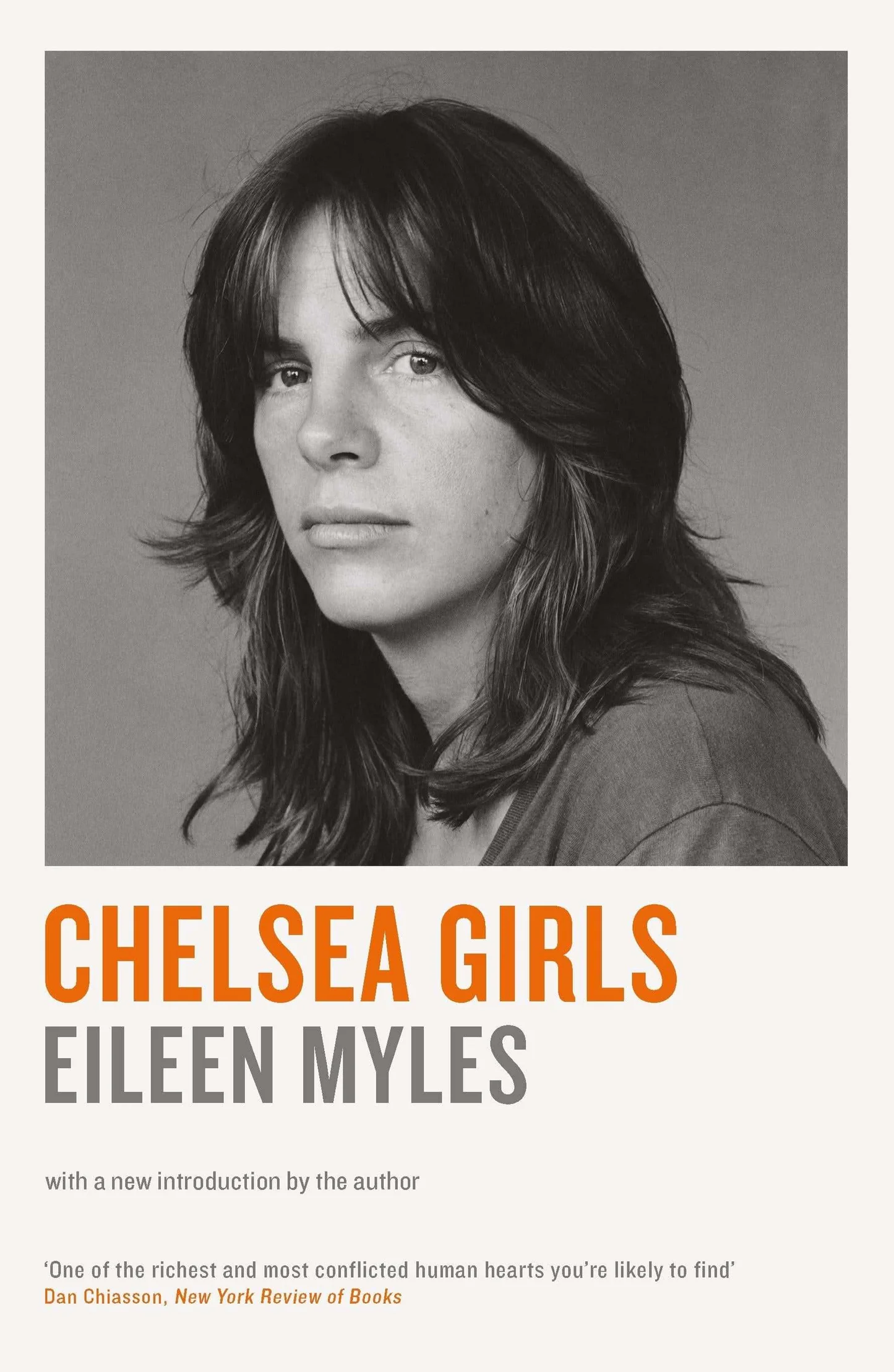
Chelsea Girls (Serpent’s Tail, 1994)
Apartamento Magazine - A conversation with Eileen Myles for Apartamento magazine issue #37
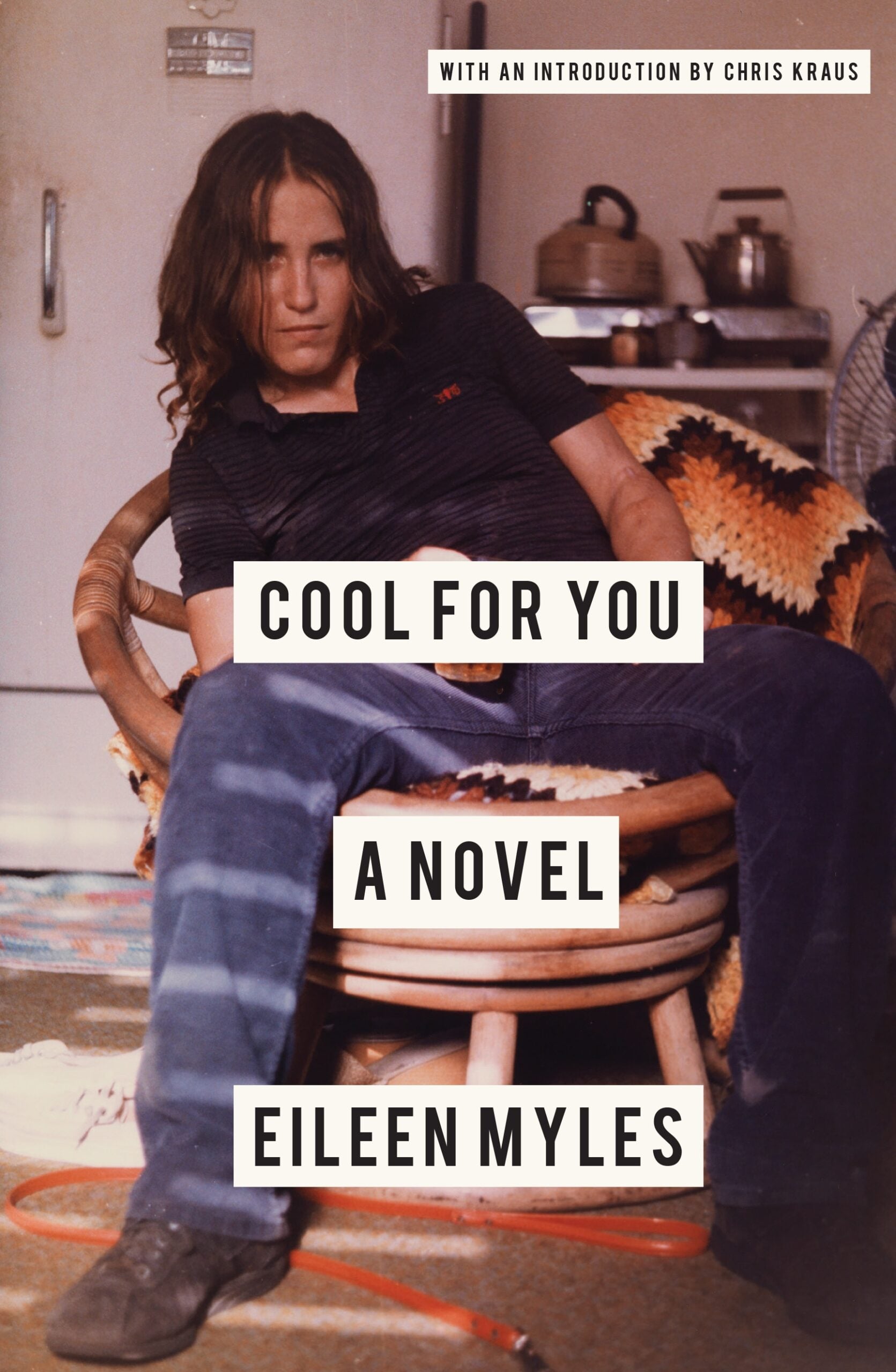
Cool For You (Catapult, 2000)
Apartamento Magazine - A conversation with Eileen Myles for Apartamento magazine issue #37
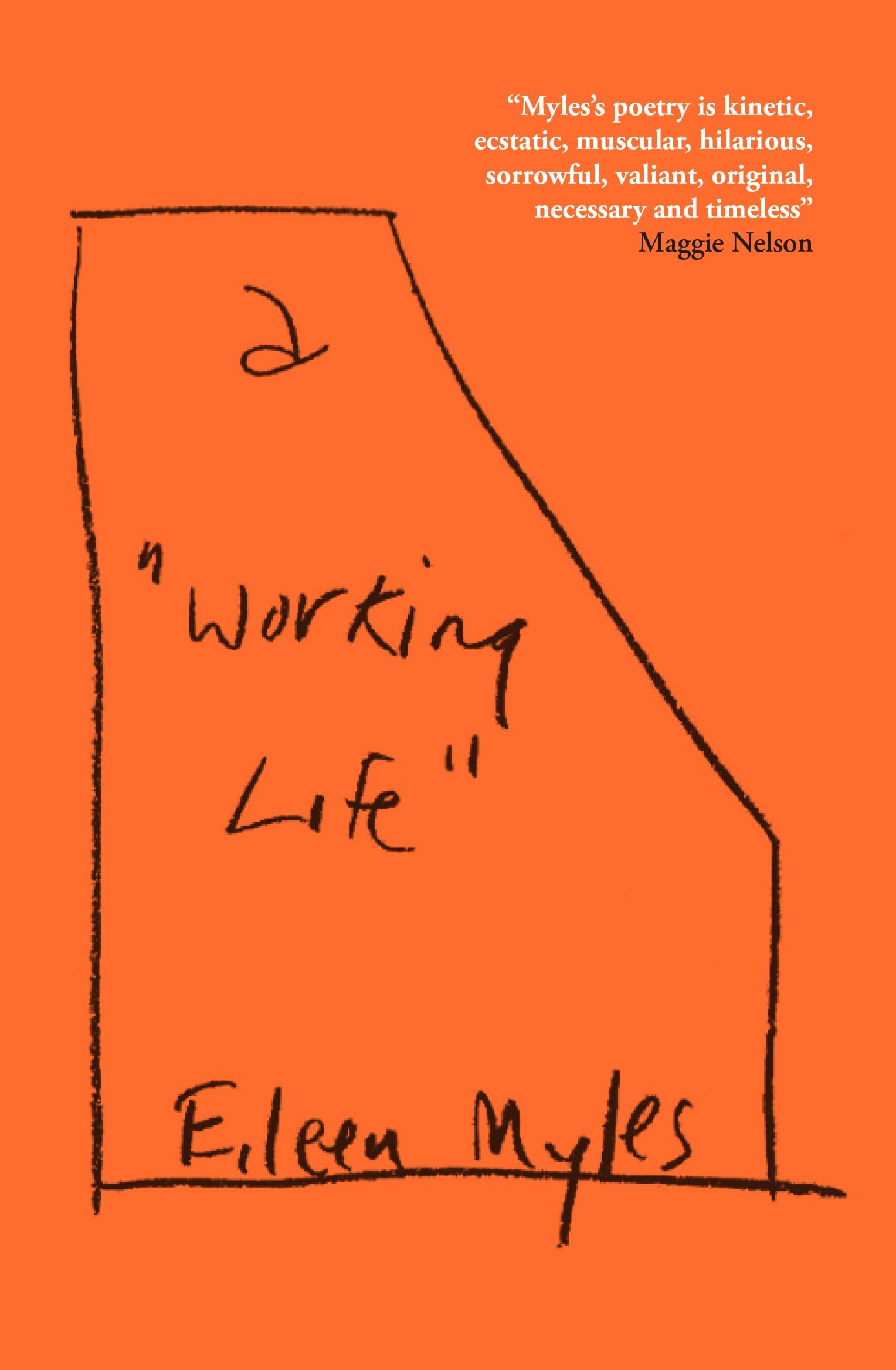
a “Working Life” (Grove Press, 2023).

Tomorrow morning. I talked with her about this trip, and she was very lucid and said, ‘No, no, no, you should go’. She also wanted us to take our son to the Star Party because my first one was around his age.

It’s good you will be there. I was with my mother, and there was something—my sister left a shoebox of photographs and family documents. I was sitting there alone with my mother, who was in a coma, and I thought I could take a picture of one, and as I crossed the room, I looked at my mother, and her eyes went.

You knew?

Yeah, and then she just died. So in her way, she died alone. I mean, I was with her, but I feel like… I don’t know.

Right.

It’s kind of incredible. But I am scared shitless because I miss everything. I feel like I’m one of those people—like, something amazing is happening, and I turn to the side and think, did I just miss that? I feel like I’m so distracted. I mean, I know what I’ve seen, and I know what I’ve been present for, and they’re really great, important things. But you know how much you miss, and I guess I hope I don’t miss my death. I hope it doesn’t happen by accident, you know? I’d like to see it coming.

Apartamento Magazine - A conversation with Eileen Myles for Apartamento magazine issue #37
The product is being added to cart!
Apartamento Magazine
Privacy Overview

This website uses cookies so that we can provide you with the best user experience possible. Cookie information is stored in your browser and performs functions such as recognising you when you return to our website and helping our team to understand which sections of the website you find most interesting and useful.