
New York City: Jeremy first shot for us in 2012. Thinking back to that time, I seem to remember that we were all very excited about flash photography, and he was like the King of Flash. Flash brought more contrast. The whites were whiter, the colours were bolder. It felt new, a small departure from the warm, fuzzy, noisy, (more expected) natural light approach that Apartamento had, in a way, become known for. Plus Jeremy shot digital, bringing a new level of definition, and generally speaking printing much better, especially on the greyish, recycled offset paper we’ve used in the magazine since day one.
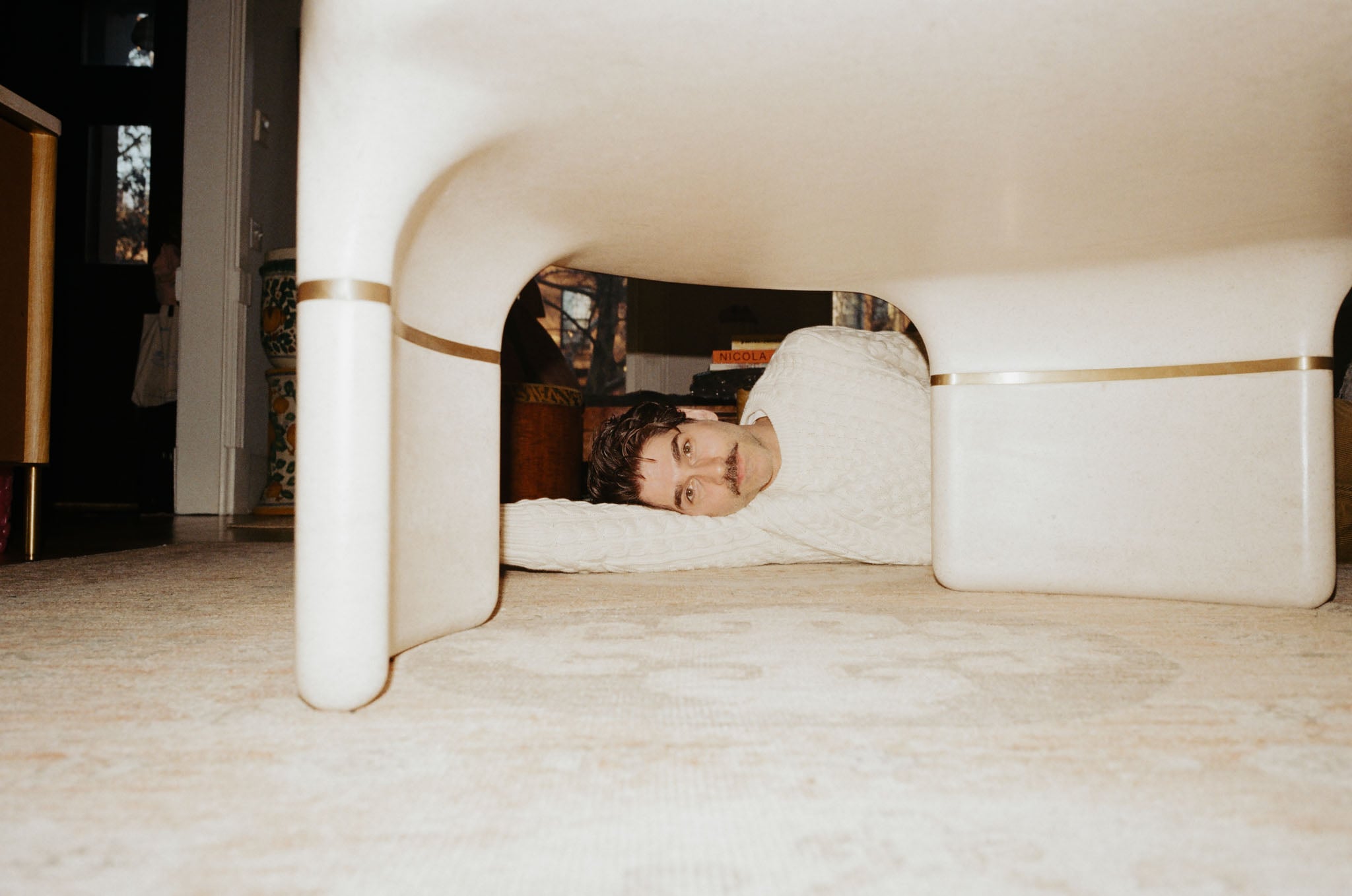
The story Jeremy shot for us in issue #10 made the cover. It was a photograph of the late Jim Walrod, the interior designer who knew. Another funny thing is that I just tried to remember what the cover was like without looking at a copy of the issue. I wanted to see what had stuck in my memory. In the photograph that I had in my mind’s eye, Jim was sitting down on one of his Pierre Jeanneret chairs. He was smiling, or in the middle of a good laugh. He was looking upwards, not directly at the camera, almost towards the ceiling. His orange Nicola L. Femme Commode was right next to him, there might have been a Kenny Scharf on the wall somewhere, one of those hanging lamps that looks a little like a Ruth Asawa sculpture. But no. The image I’m describing was a completely different one, one we ran inside the issue, not on the cover. To be fair to myself, it was a while ago, but it also could be that in my head I’ve made a composite of all of Jeremy’s images from that day. I guess I’m trying to say something about memory. Something about how these articles and issues have punctuated my life. And that I miss Jim.
Jeremy has that special, enviable ability to take beautiful portraits, regardless of the limitations. While anyone can press a button, creating a rapport with your subject, sometimes with a time limit of only two hours or even less… That’s not so easy. I feel like a big part of it is photography-adjacent. It’s how you are with people. Your ability to read them. Your own energy. It’s also about having a genuine interest in meeting new people and discovering new stories.
After the Jim story, Jeremy became a fixture of the magazine, a member of the Apartamento family. In a way, we’ve grown up together. He’s been a witness to the Apartamento evolution, from independent magazine to independent publishing house. Similarly, we’ve been witnesses to the evolution of Jeremy’s career. He’s built a reputation for himself as a go-to photographer with a unique style. He’s sought after not just in New York, but around the world, shooting regularly for the likes of The New York Times, Interview, Esquire, and us, of course. It seems like every other day he uploads a portrait of the actor/politician/architect/artist/musician of the moment in his signature style.
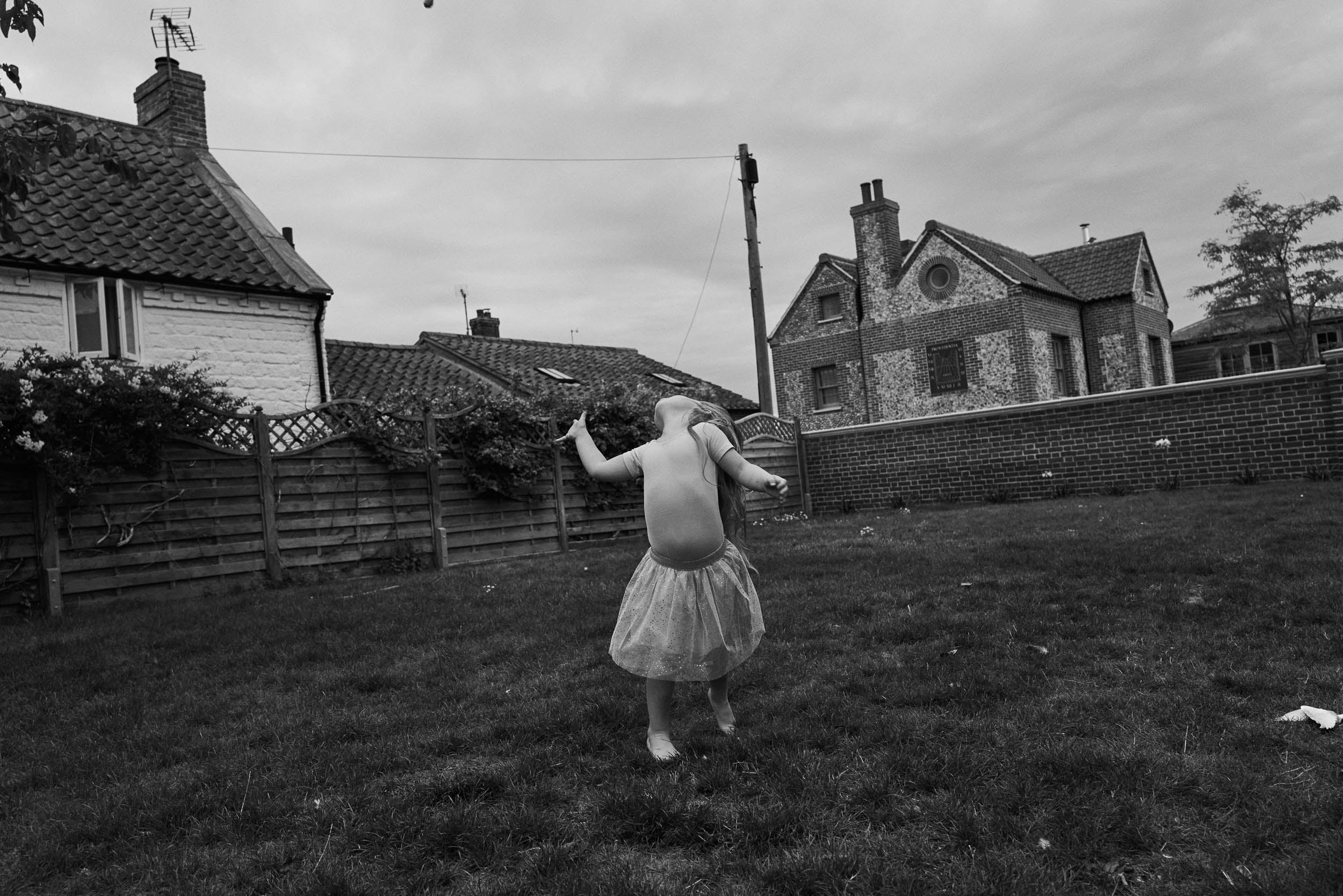
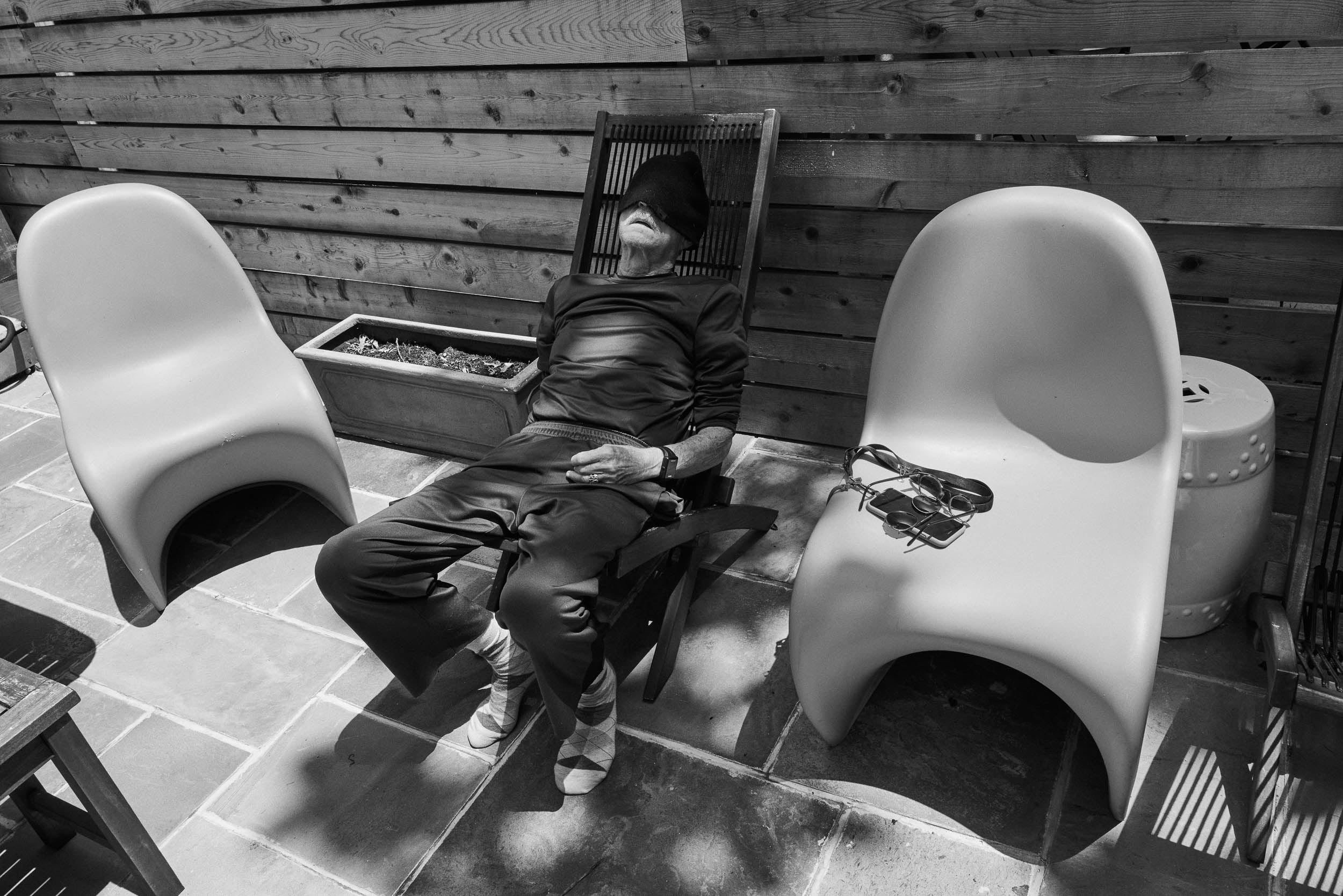
And yet, these are all commercial assignments. Jeremy—as I do, as I’m sure many of you reading this do—struggles with the pushes of a time- and energy-consuming professional career, and the pulls of artistic ambition. Late last year, his father Richard Liebman (also a photographer), sadly passed away after a seven-year struggle with Alzheimer’s. As Richard’s ability to understand the world around him decreased, that of Jeremy’s two young daughters did just the opposite. Jeremy Liebman, the artist, documented these coinciding moments, both heart-wrenching and heartwarming. From such sensitive material we made Coincidence, his first photobook.
A couple of months ago when I was in New York, Jeremy’s home for almost 25 years now, we caught the ferry from Manhattan to Staten Island and back to chat.

A conversation with Jeremy Liebman
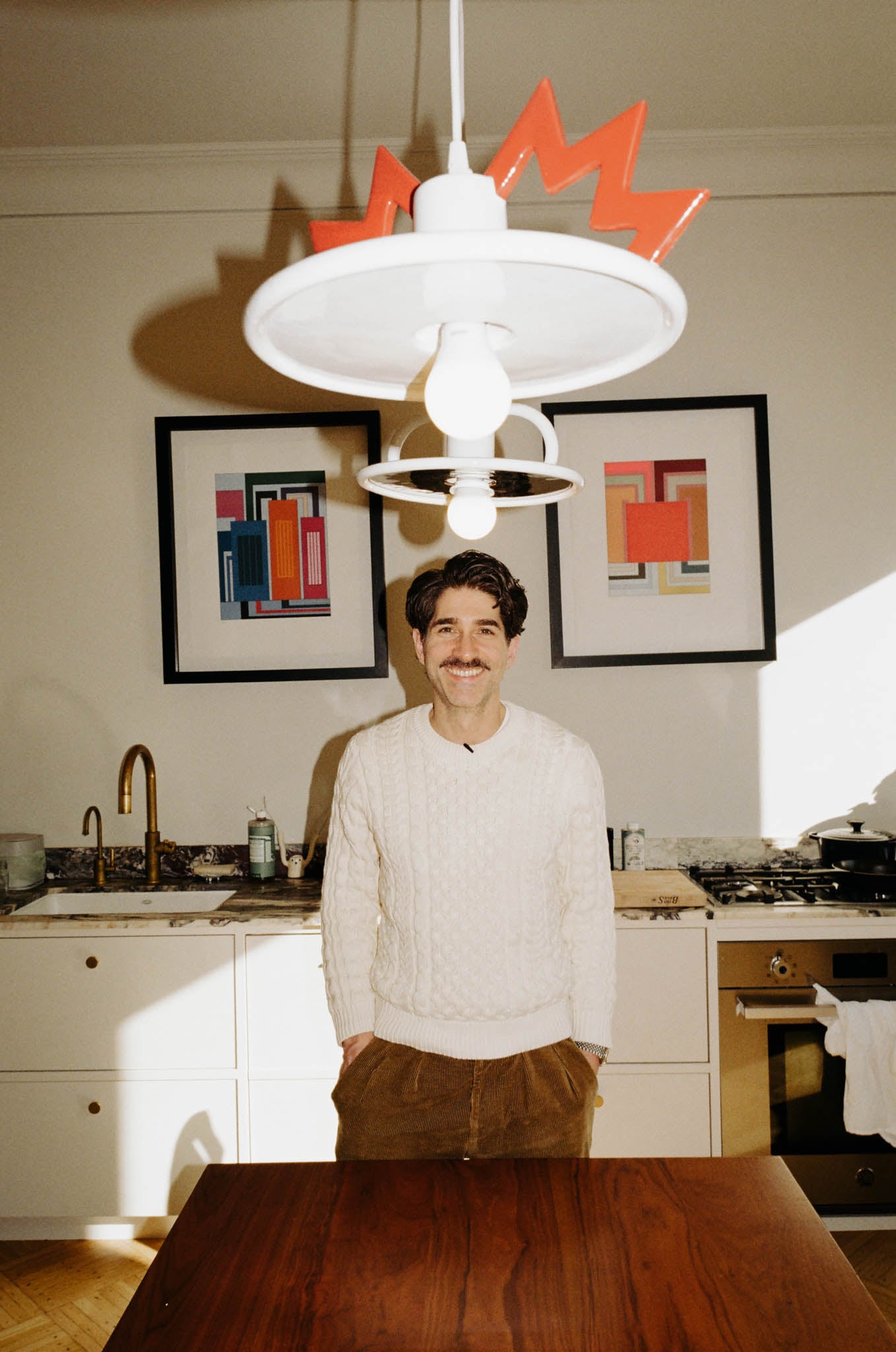
Have you ever fallen out of love with photography?
There have definitely been times where it feels like I’m a little stuck. When you do something for that long, it does start to feel like there are times where you can’t slow down enough to really be in the moment and you have to fall back on what’s worked before—
Professionally?
Professionally, yeah. I don’t think personally it’s ever lost the magic of what it can do for me. It’s still incredibly exciting to take a good picture—you just kind of feel a little different at that moment.
But there are new considerations when you have to deliver on a deadline. You have 15 minutes with someone, sometimes you can make it exciting and interesting for both of you, but I think I’ve learned not to take it too personally when the connection isn’t there. I used to want there to be much more of a connection with the subjects. I still love when that happens—it’s still like the best thing in the world when it does happen—but I’ve realised now that it’s more the exception than the rule.
How did your career come about? How did you come to define your portraiture practice?
That’s interesting because originally photography for me wasn’t really a people thing. I was probably about 19 when I first started taking pictures, after my first year of college. Music was a really big thing in my life at the time, and I was looking for something that I could do that was poetic, to make some sense of all of the intense emotions that I was feeling at the time. I was very full of angst and heartache, and the world just felt so big and exciting and scary—there was something expressive that I was after.
And all of this was happening in Dallas?
This was in Dallas and Austin. I started doing photography by doing a lot of the pretty obvious emo tropes like shooting in graveyards, reflections in buildings, all the stuff that you notice when you start paying attention to the visual world, that seems to say what you feel inside. That’s what I was shooting—it wasn’t really like portraiture or even people so much. Then I started seeing work from people like Arbus, Roy DeCarava, Avedon, and Winogrand and seeing more stuff that was with people.
There was a photographer named William Claxton—he was a big jazz photographer who I really liked. I thought I wanted to be involved in music, but it seemed like shooting concerts just was—I did a ton of it and I loved it, but it felt like it wasn’t anything very special. It felt like you couldn’t tell one photographer’s shots from the other.
What music were you listening to?
It was hardcore and indie rock.
Was that what people were listening to in Texas?
No, no, it was very subcultural. I think I wanted to show something a little more complex than just the music, which is what I was seeing in William Claxston’s work. But I felt like it wasn’t really like that anymore, like the moment was gone. I would shoot some of that stuff, but it didn’t really scratch the itch.
As if the authenticity of the moment wasn’t real?
Exactly, I didn’t look around and see a cultural movement that I couldn’t resist—it was all a little bit more uncertain and melancholy. Then I saw Martin Parr. There was an exchange student who had Common Sense, and she showed it to me. It’s a horizontal book; the cover is like a rusty globe. All the photos are extreme close-ups: kids with dirty fingers eating donuts, old ladies with really leathery skin. It was colour; it was flash; it was all about how awful and depraved consumer culture is, but it had a sense of humour at the same time—it did all these things that I wanted to do. So that’s when I thought, ‘Oh, wow. Photography can be critical, but funny’. It just felt very new.
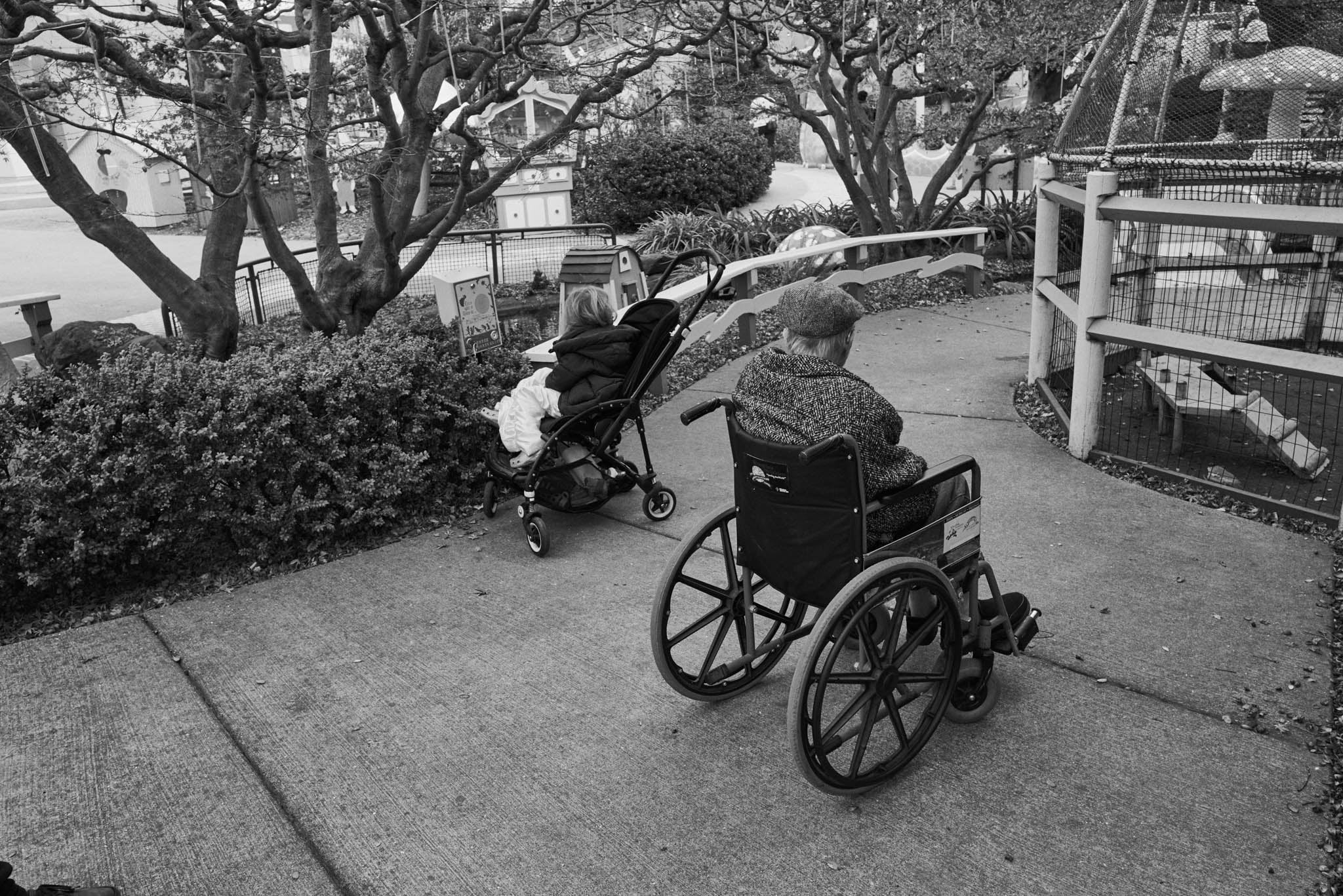
Photographs from Coincidence by Jeremy Liebman.
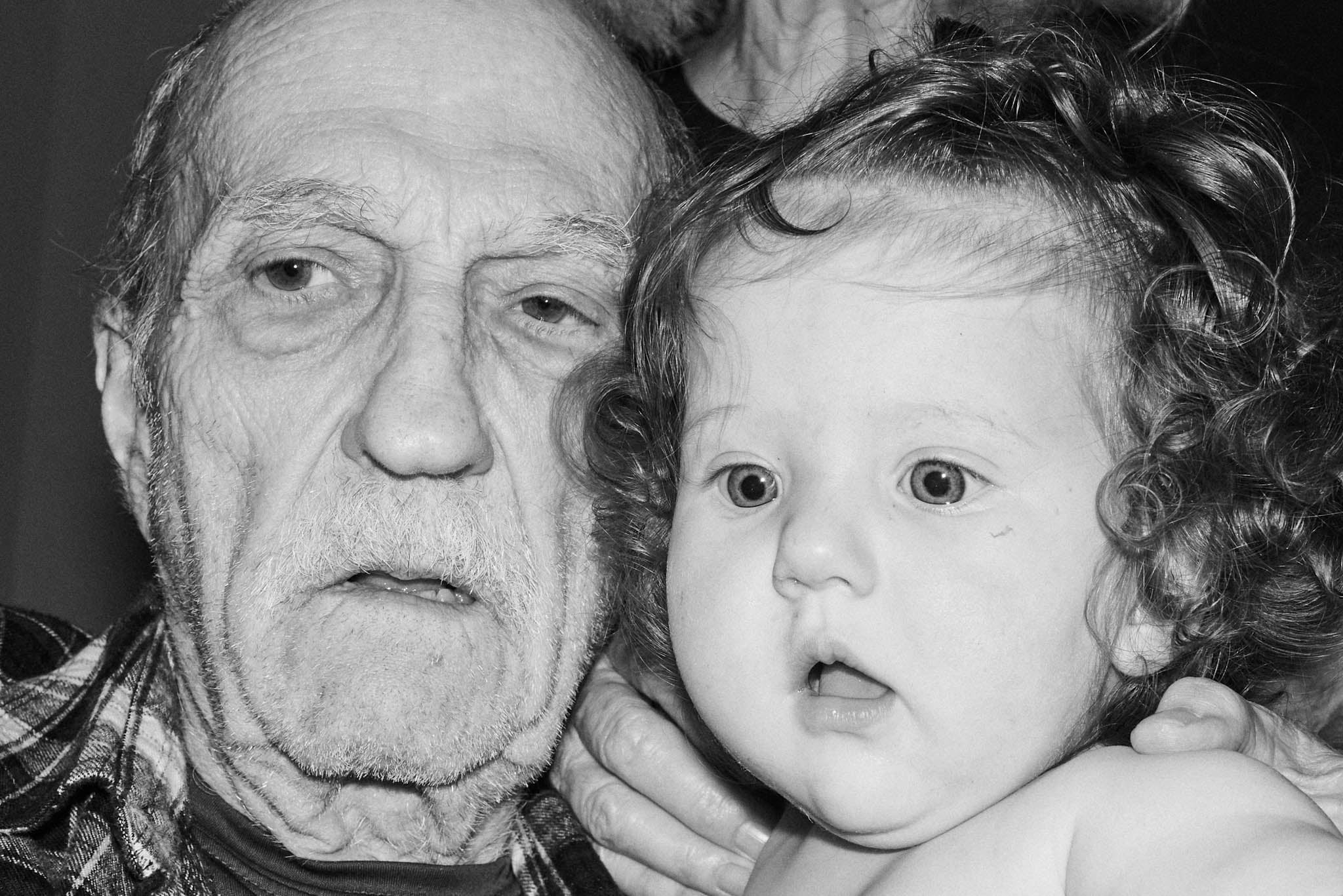
It’s funny because Coincidence being in black and white has made me think of your work in black and white, but obviously you don’t predominantly shoot that way.
I think it was intentional—I feel like I’m in a little bit of a therapy session right now—but I felt that because I did so much colour, it was becoming too defining for me, and that the times are different. When Martin Parr was doing colour it was one thing, now colour is something else.
Martin Parr’s earlier work, like the Bad Weather series, just showed England in bad weather. It was a lot of flash, which would light up the raindrops, and there would be the solitary figure against a black night with all this speckled rain that was so larger than life. It had the same sense of humour as the colour work, the same kind of critique that came from a not too judgmental place, but it felt a little more subtle and nuanced.
So when you were in Dallas and Austin coming into photography and the visual world, you were looking for references and found photographers like Martin Parr?
Exactly, I was really clicking with the medium and the idea of doing it, but trying to figure out what kind of photographer I was and what kind of work I wanted to do. I was thinking a little bit about it as a professional endeavor. I went and worked for Spin magazine, so I got a sense of what they were commissioning, who they paid the most attention to, and how they thought through what a cover shoot would look like. That time is when I started to think of photography as something that had to have a little more intentionality. That’s probably around the time that Collier Schorr started coming into my awareness, along with Luigi Ghirri.
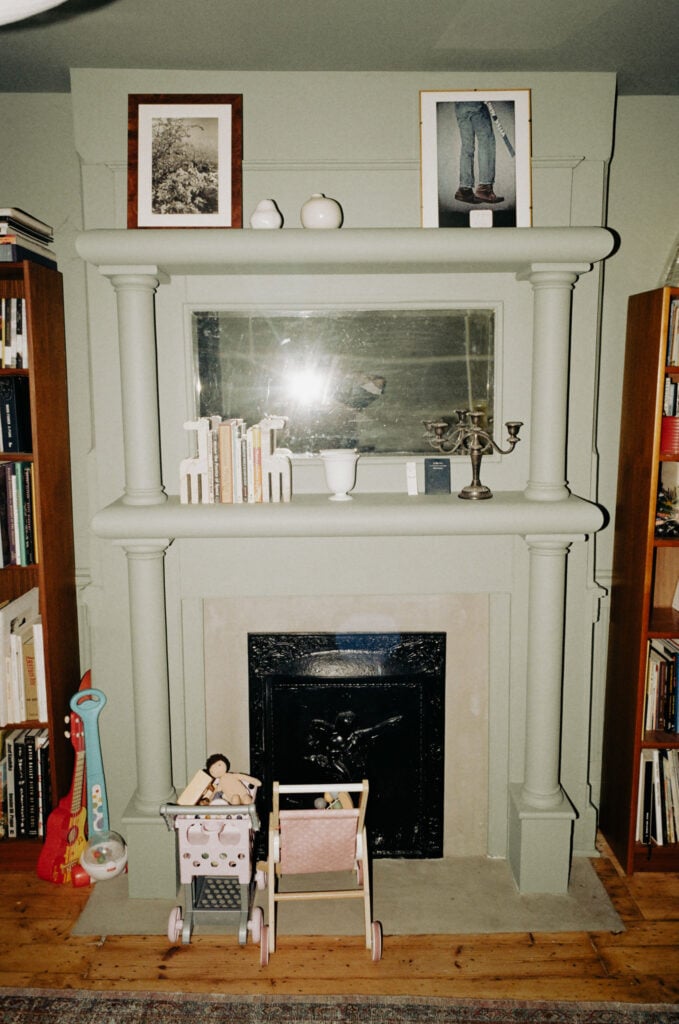
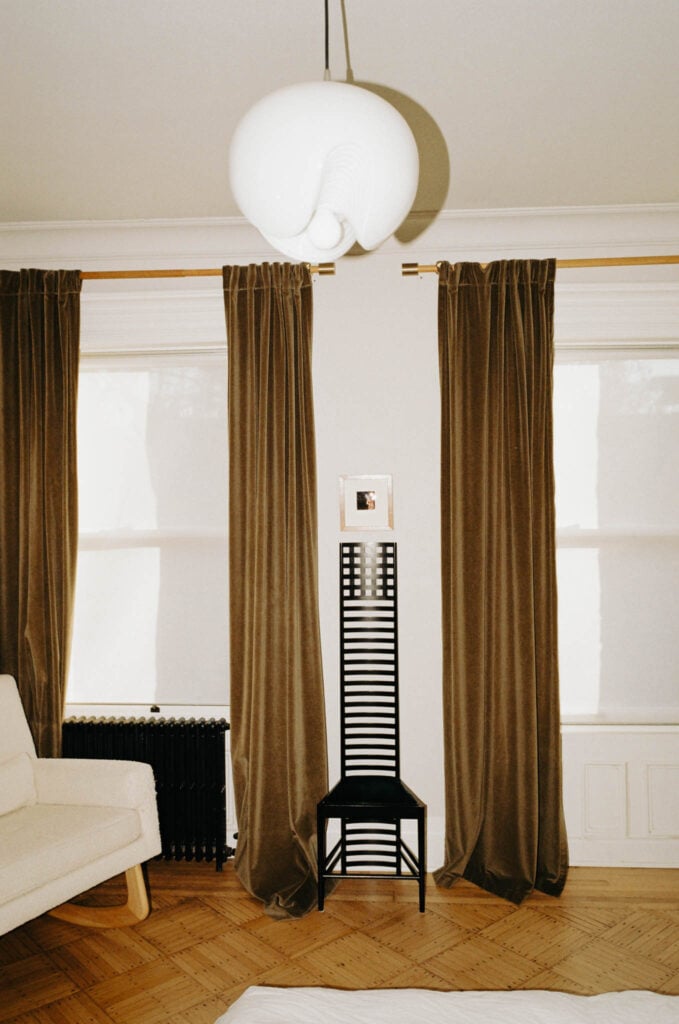
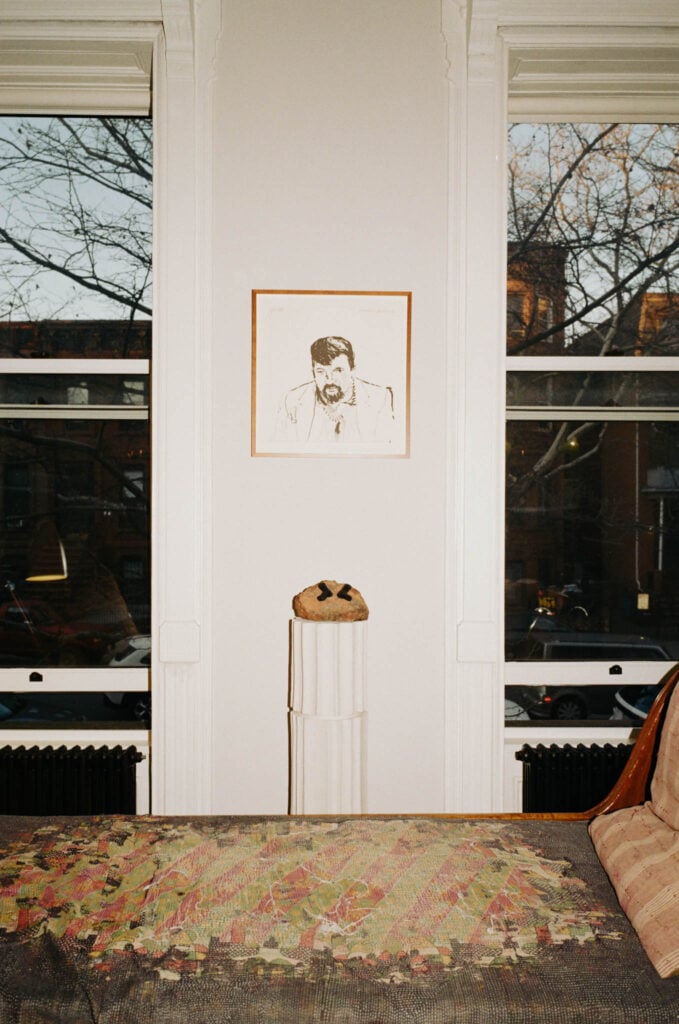
Those two and Martin Parr, they didn’t make that jump to commercial work. They were more, ‘I’m going to do this whether I get paid for it or not’. How do you feel your career has emerged, specifically thinking about this split between more personal and then more commercial work?
Starting out, there was a lot of casting around to see what kind of photographer I wanted to be. I was open to portraits, interiors, fashion, fine art, all of it was interesting to me. So I went in a few directions simultaneously. There are times when I wonder, if I had gotten more affirmation or success, would I have become a different kind of photographer? I was shooting 4 × 5 for a while, including some Candida Hofer and Rineke Dijkstra inspired stuff and long exposures at night. I think I could probably draw a through line from that to what I’m doing now, but it was definitely a different mode. If that had gotten more play, then I might be a different photographer than who I am now. At one point, I was trying to do fashion a lot more, and if that had really taken off, who knows? I think there is a lot of just responding to what’s working at the moment. Part of that is refining who you want to be and part of it is the world telling you what it wants from you.
I like this idea of photography and books punctuating our lives, how some come to us and we’re drawn to others. Are there any other photobooks that have changed your life?
Burg and Portraits by Tillmans were very big for me when I first saw them—plain and stripped of artifice, and so emotionally descriptive. I used to assist the photographer Jason Schmidt, although I use that loosely because I was a terrible assistant, and when I would go over to his place, he would lend me photo books. I’d bring them back the next time I saw him. He lent me Richard Billingham’s Ray’s a Laugh and Helmut Newton’s Pages from the Glossies, which is his magazine work, presented with the layouts. It taught me to think about photographs compositionally, in relation to how they were going to be presented. Jason was good friends with Roe Ethridge, they had both assisted Philip-Lorca diCorcia together, and so he introduced me to Roe’s work as well. Roe’s flexibility and humor and ability to straddle different worlds really appealed to me.
Having spent a bit of time on the sidelines of photography, I’m aware of this expectation that a photographer will be the type of person that can get something from a stranger, almost demand something, which creates a specific power dynamic. How do you understand that relationship, that dynamic?
I struggle with that so much.
Really?
Yeah, because I’m a pretty introverted person, and certainly the popular conception of a photographer is someone who comes in and really takes control; who says, ‘We’re going to do this, this, this, and this’; who’s so charming that they’re riding off on a Harley with the celebrity at the end of the shoot.
That’s the stereotype of a fashion photographer, right?
Yes, and that works for a certain thing, but I think that doesn’t really make poetry. I feel weird continuing to come back to that word, but it’s the best way to suggest something that’s not literal—not fully commercial, not fully understandable—but rather something that invites this feeling of seeing something that you don’t understand or haven’t seen before.
These days you’re constantly seeing images that are very digestible and very understandable. ‘Here’s something cool you should buy. Here’s someone cool you should know about’. There is some sort of mysterious extra element that needs to be there, and I think that comes from whatever the personal work is, whatever you’re curious about in your life.
Photographs from Coincidence by Jeremy Liebman.
When you’re going in to take a serious portrait of someone, how do you manage the tension between the pressure to deliver a specific type of image versus your own instinct as to what you find interesting?
If I go into a setting and the person is really uncomfortable or if it’s not a full-on love-fest, that’s better sometimes. Probably every People magazine photoshoot is a love-fest. It’s like: the person comes in, they know how to sweet talk the celebrity, the celebrity is smiling, the background is good, it’s good vibes, everyone walks away happy. Then you get Ryan Seacrest on the cover of People magazine or something, and it’s like who gives a shit, right?
When I shot Alex Katz, for example, he was grumpy: he didn’t want to do what I was doing, and we couldn’t be done soon enough. Not in a rude way, but just this feeling of, ‘I don’t care about this, really’. But the fact that he’s 97 and didn’t care about that is who he is, and that’s OK because it was a truthful representation of the circumstances.
Maybe there’s a photographer who could have come in and changed him temporarily into someone else for the sake of a photo, but that’s someone coming in with a very preconceived idea of what the pictures should look like, which I don’t like to do.
Resulting in generic, cookie-cutter imagery.
If I’m being generous to myself at a shoot, I think, ‘It’s OK to go in there and not know what you’re gonna say, not have seen every movie of theirs. You can just go in and be yourself and maybe that’s interesting and that’s enough’. Most of these people aren’t looking for a new buddy. But sometimes I think, ‘Oh god, that was hard. I didn’t know what to talk to that person about. I didn’t quite feel like we clicked’, but a lot of times that doesn’t show in the photos—or if it shows, it shows in an interesting way.
There was a time early on when I was doing very neutral portraiture, evenly lit, expressionless, but the style felt so uniform that it didn’t matter who I was shooting. I was coming in and telling them to be this other thing. So my response to that approach was to allow the subject to be however they were, to seek this more precarious place to make images from. It originally came from a place of something oppositional; the mainstream of fine art portraiture had this forced neutrality, and I wanted to push against that.
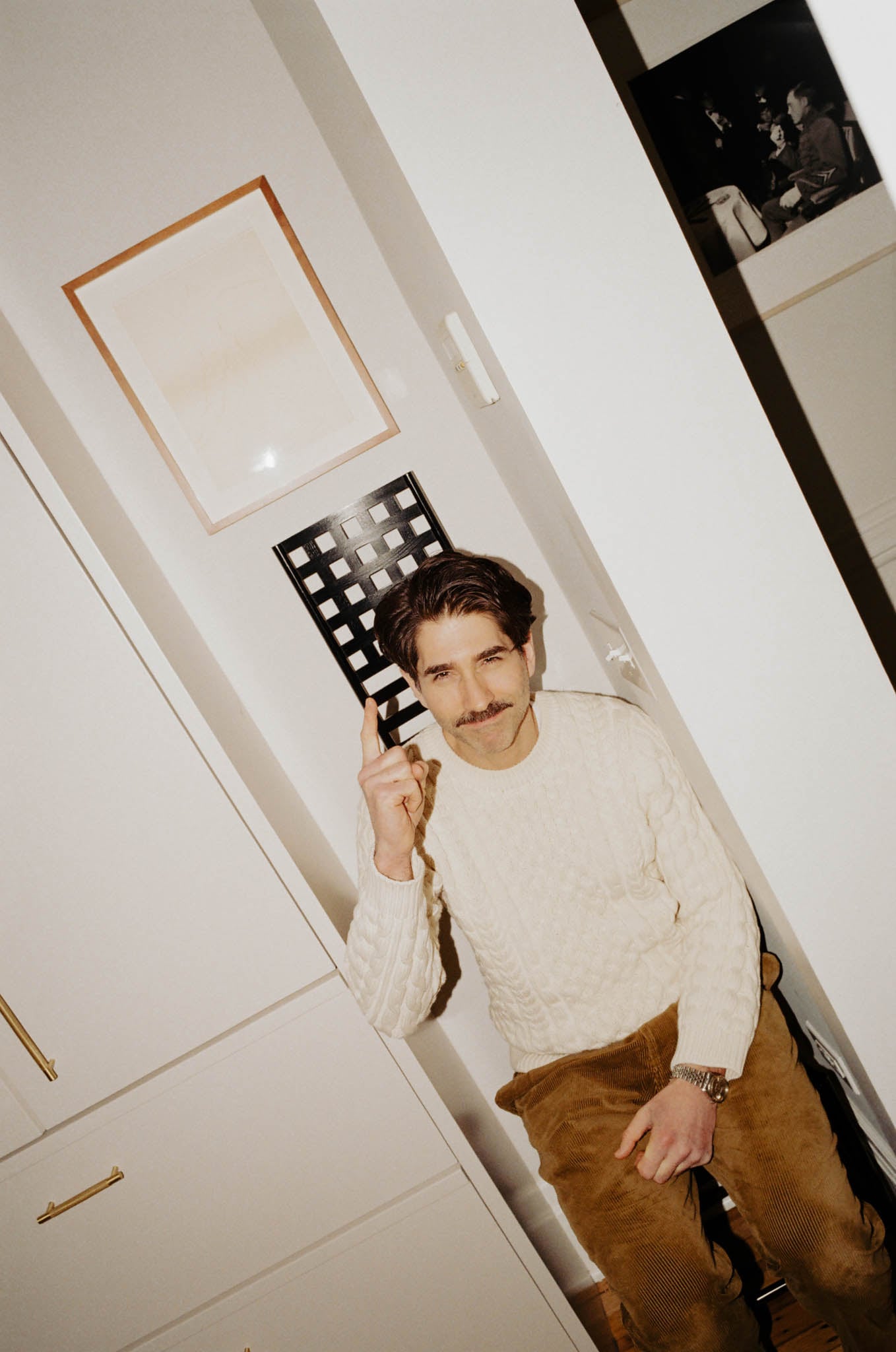
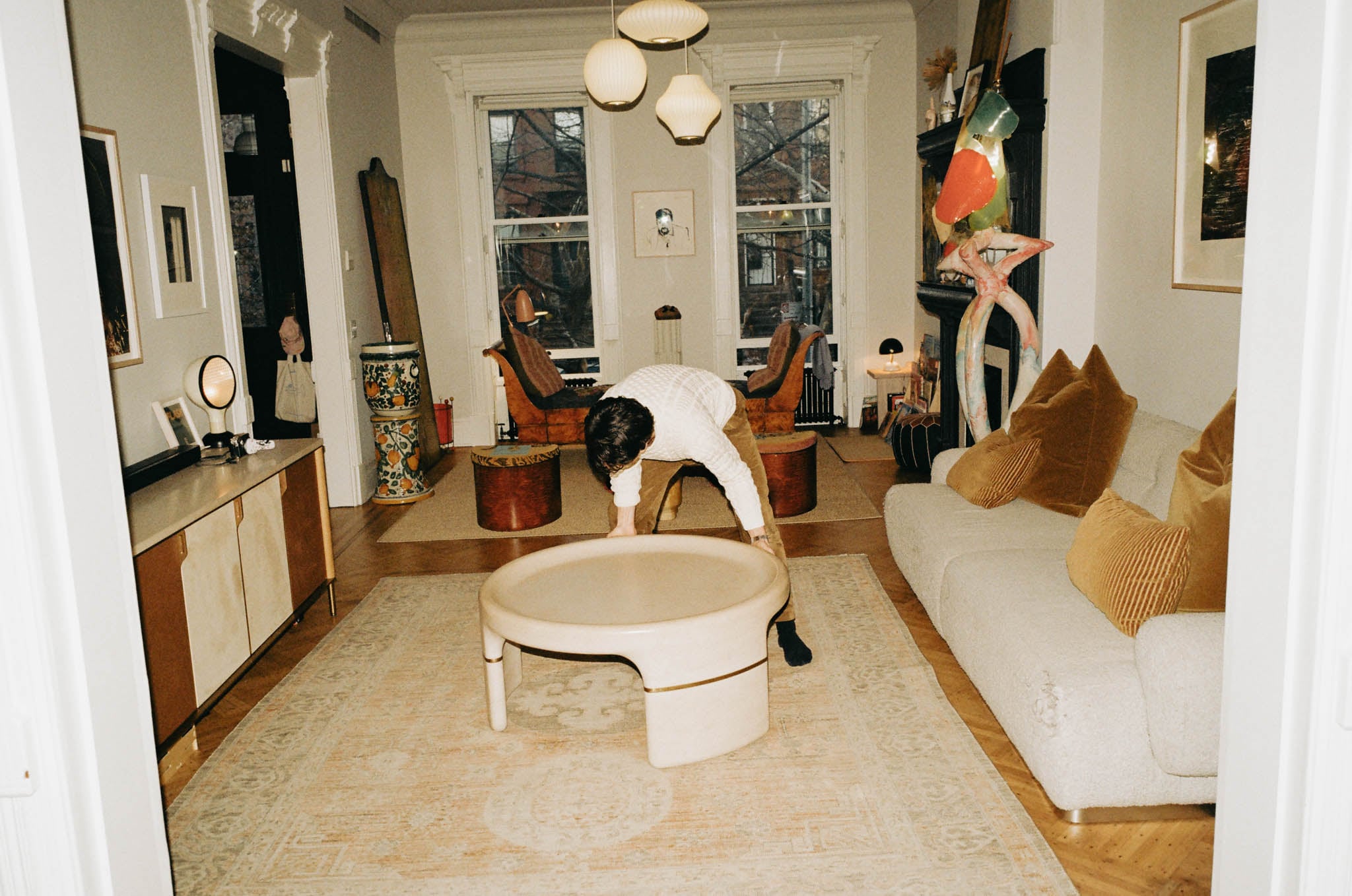
It’s more just about being there.
When I was first learning photography, my dad said, ‘There’s only one rule: f/8 and be there’. Sometimes I think, ‘Maybe I should take my camera and go to Midtown today and see what happens’, but then maybe that’s not my subject matter.
We’re in a really weird time where the amount of images that were saturated with is so different from what it was even 10 years ago. There’s an expectation that comes with everybody knowing what everything is, so how do you find a new way to present something? But then how do you stay true to yourself? That’s why I made a serious black and white book. I think there’s still moments that are funny in it, but it’s not a quirky, fun book.
Do you feel like you’re in a transitional moment?
I feel like I’ve had a few. Working for Apartamento is one of the big ones for me. That happened not long after I had started shifting to a way of doing commissioned work that was more in line with my personal work, and then I think Apartamento opened a lot of doors for me.
I’m really happy to be doing the work that I’m doing, but I don’t quite know what’s happening next. I’d like to put more energy into exhibiting work and publishing books, alongside the commissions.
I only really take photos when I go on summer holiday now.
But you’re also more receptive, and you’re seeing things for the first time in a way that you just become more aware of that active seeing.
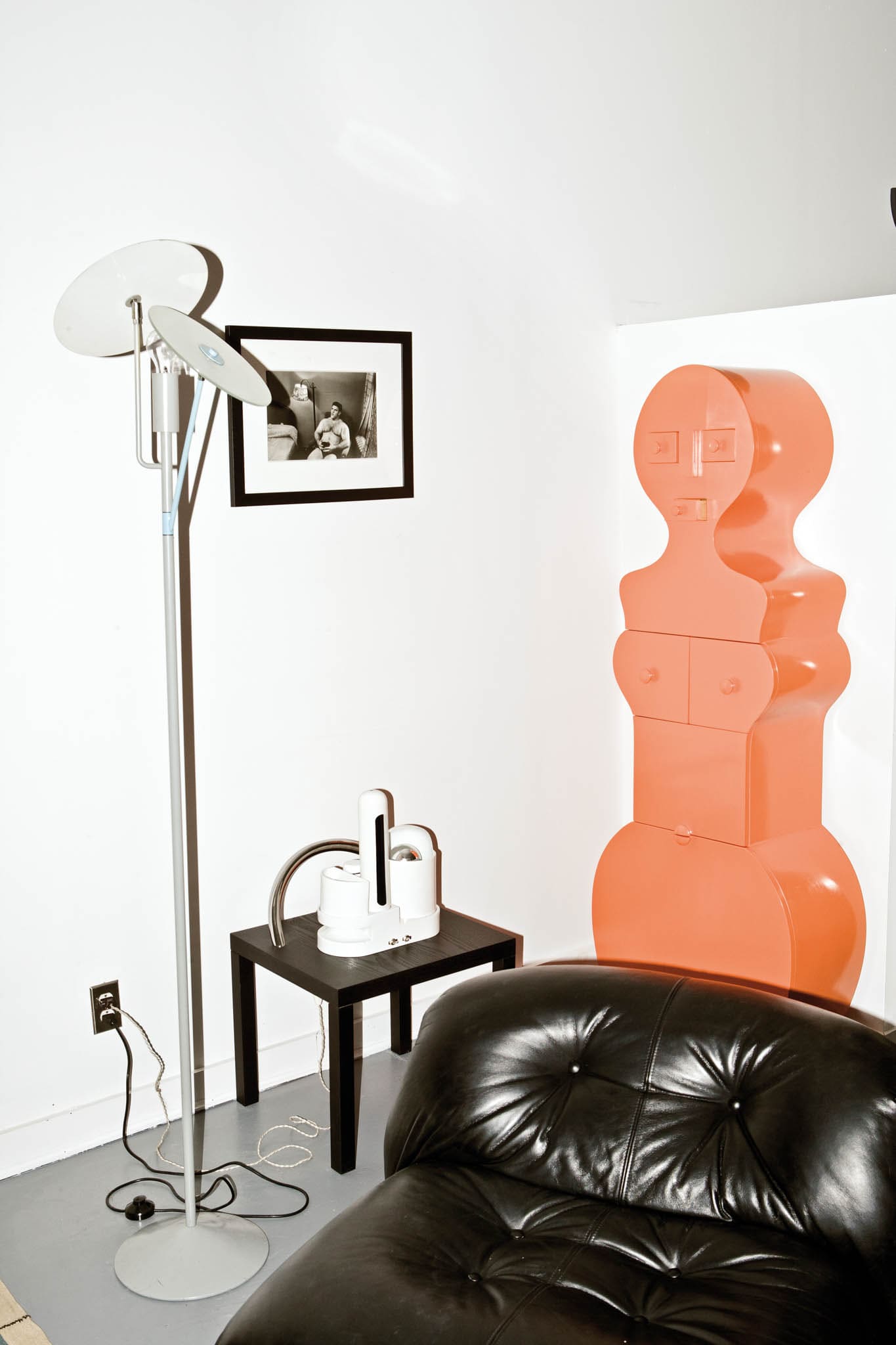
Jim Walrod, featured in issue #10. Photography by Jeremy Liebman.
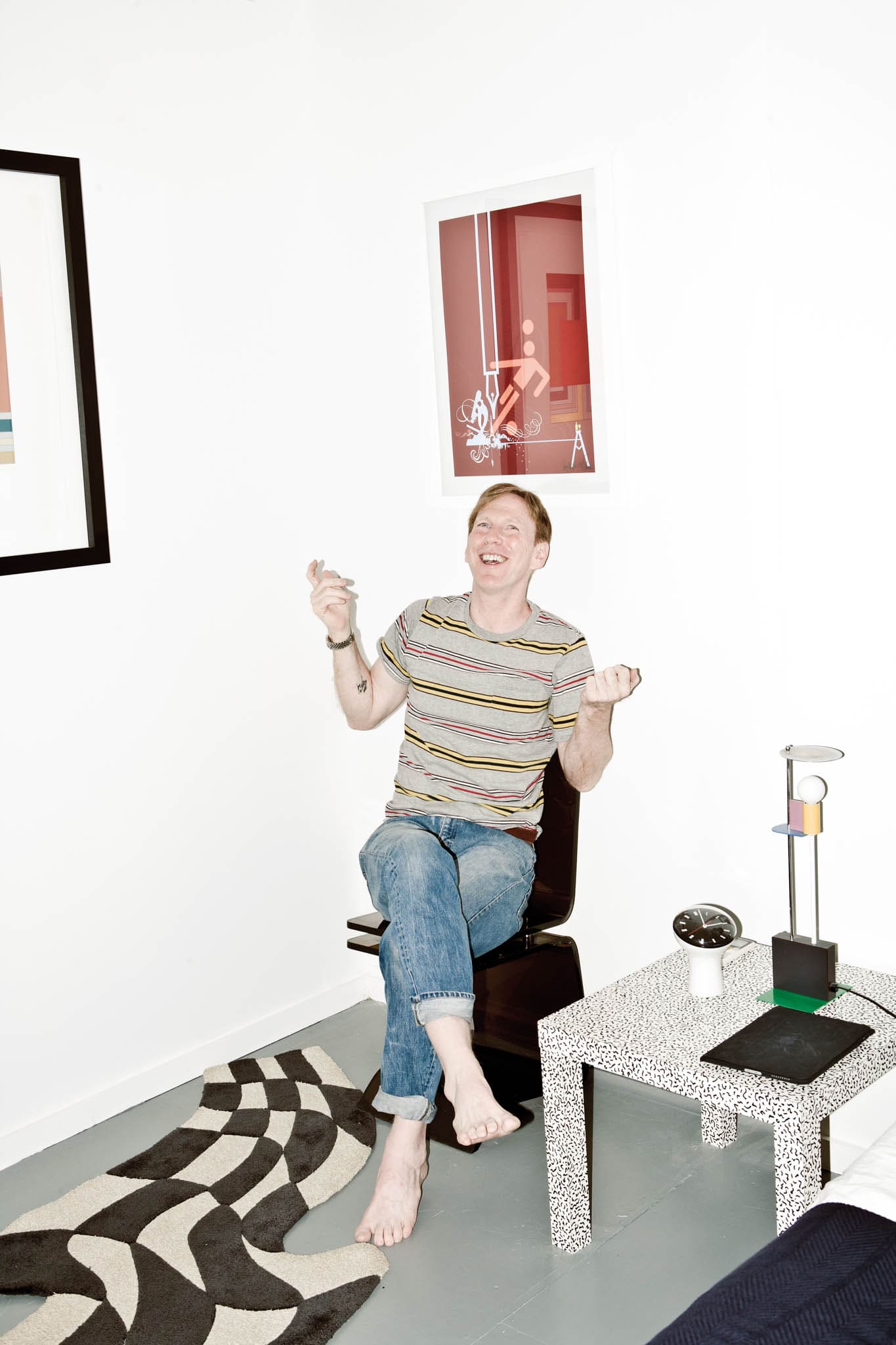
Jim Walrod, featured in issue #10. Photography by Jeremy Liebman.
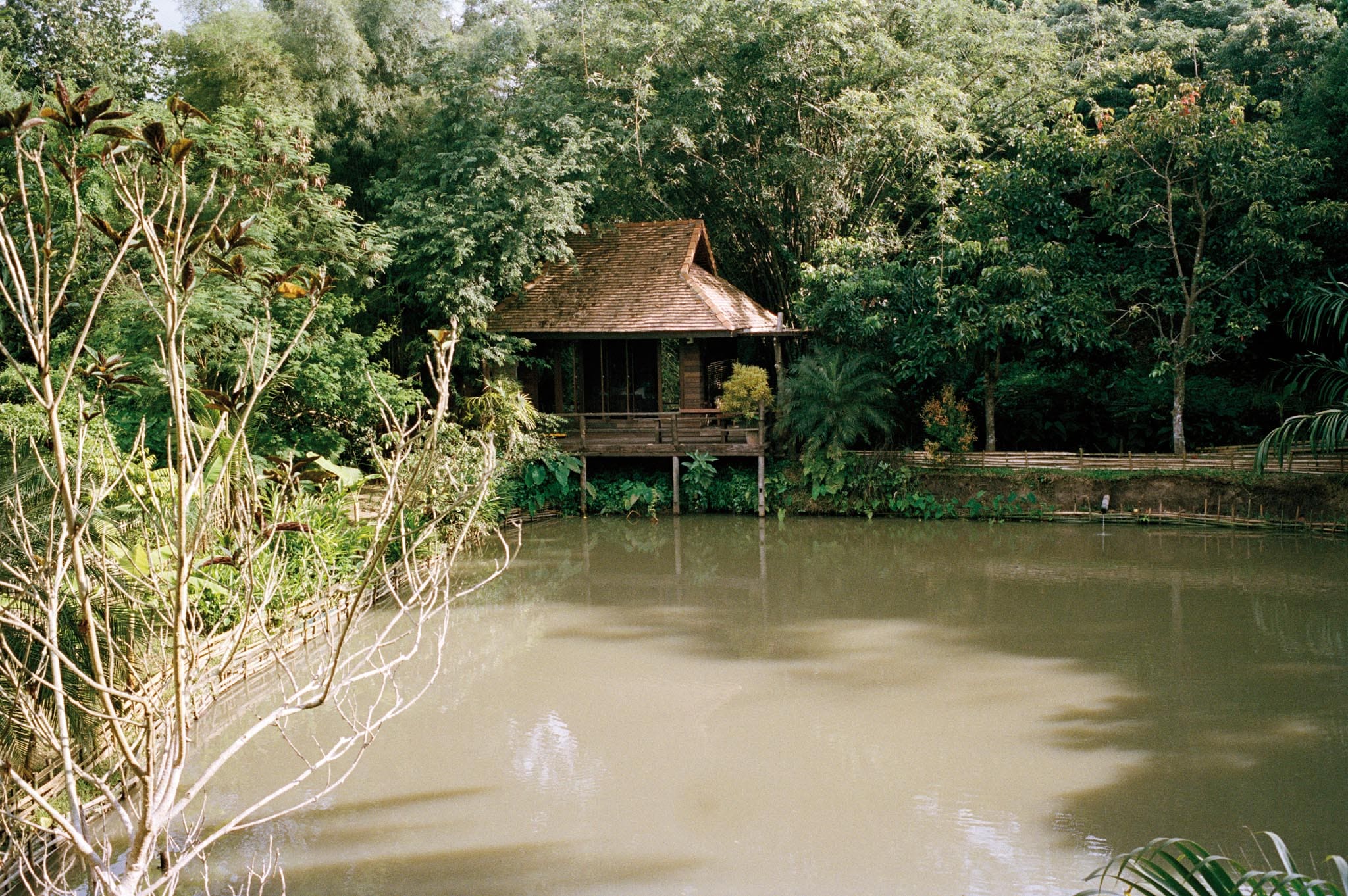
Apichatpong Weerasethakul, featured in issue #11. Photography and interview by Jeremy Liebman.
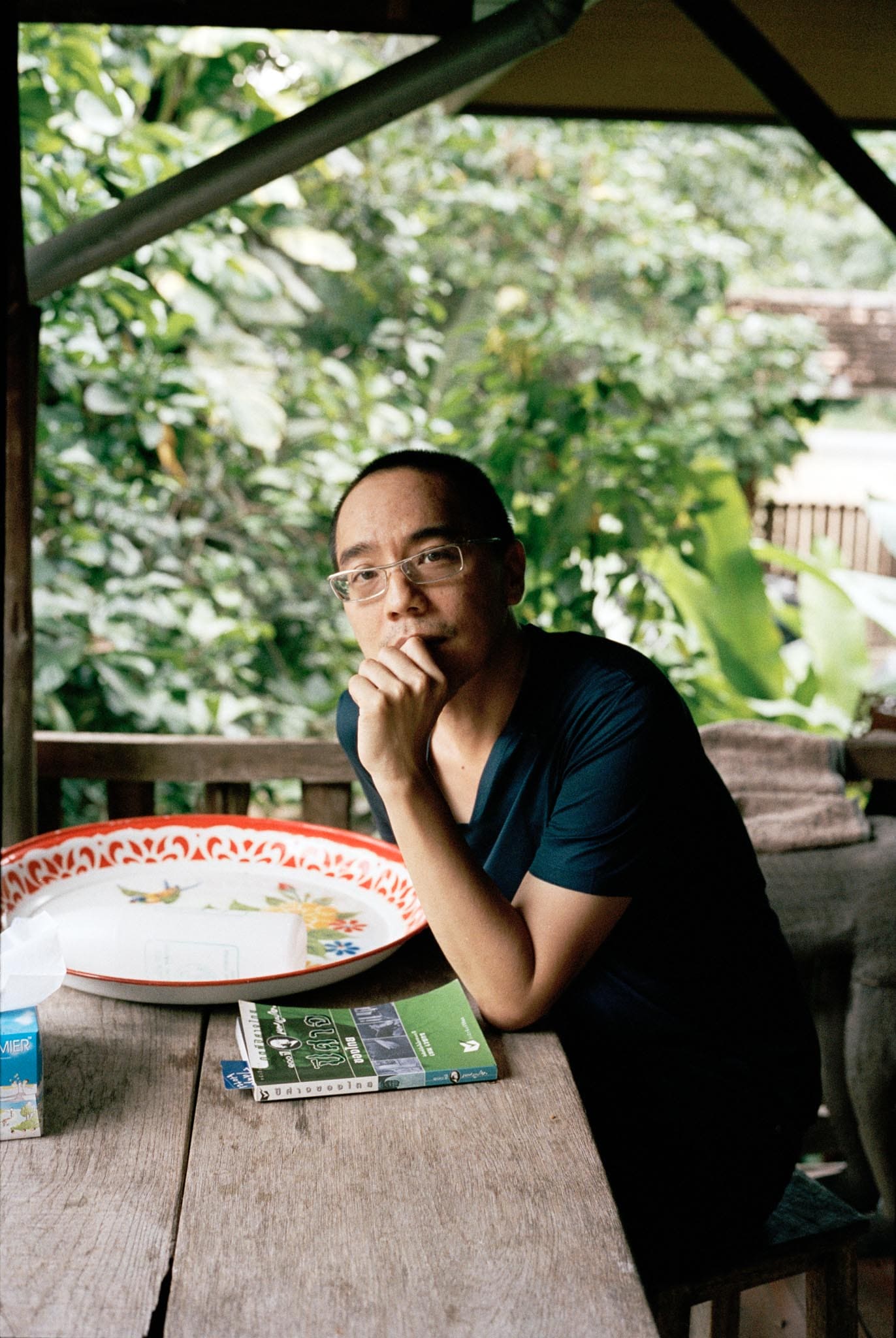
Apichatpong Weerasethakul, featured in issue #11. Photography and interview by Jeremy Liebman.
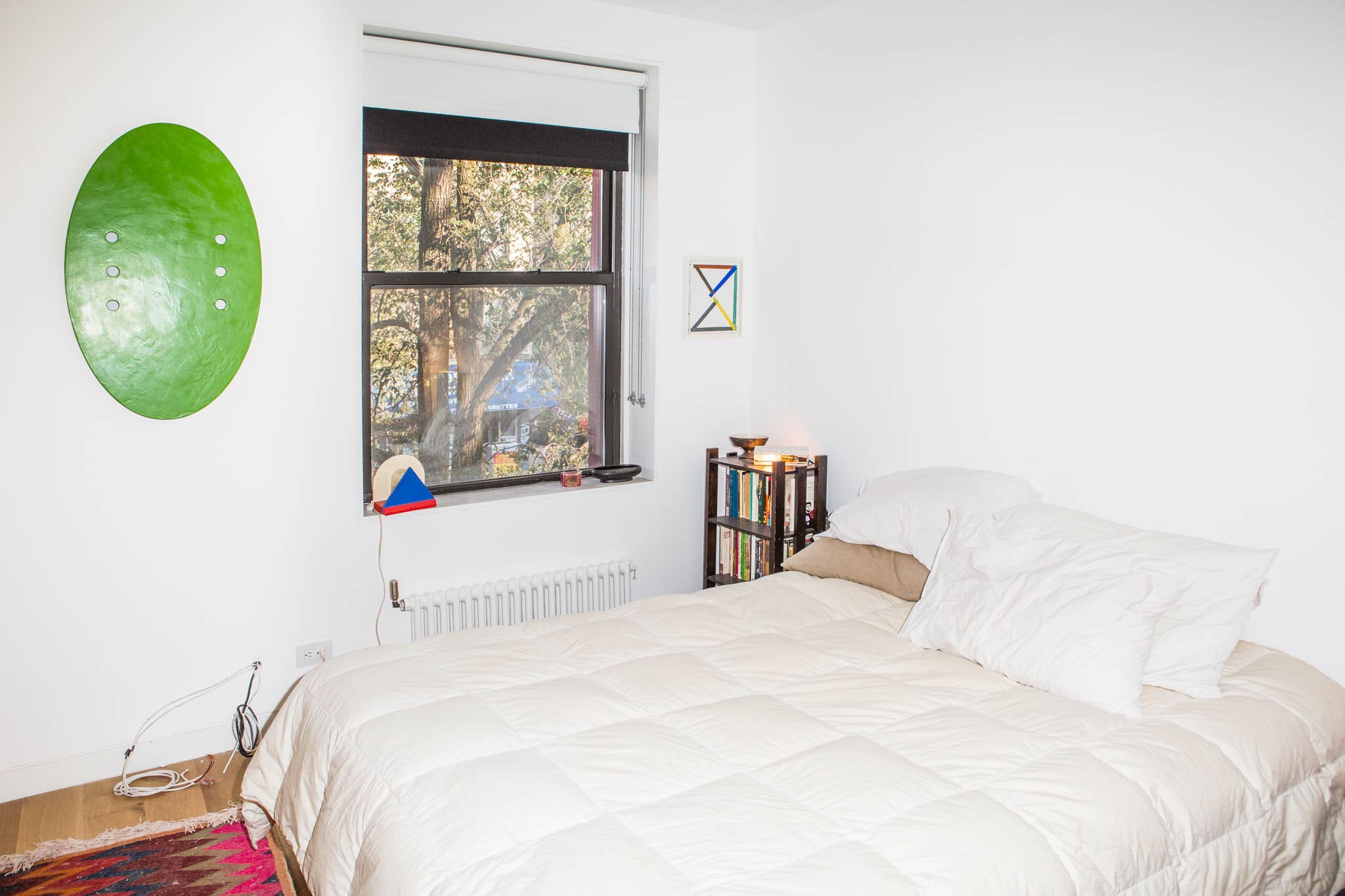
Matt Connors, featured in issue #16. Photography by Jeremy Liebman.
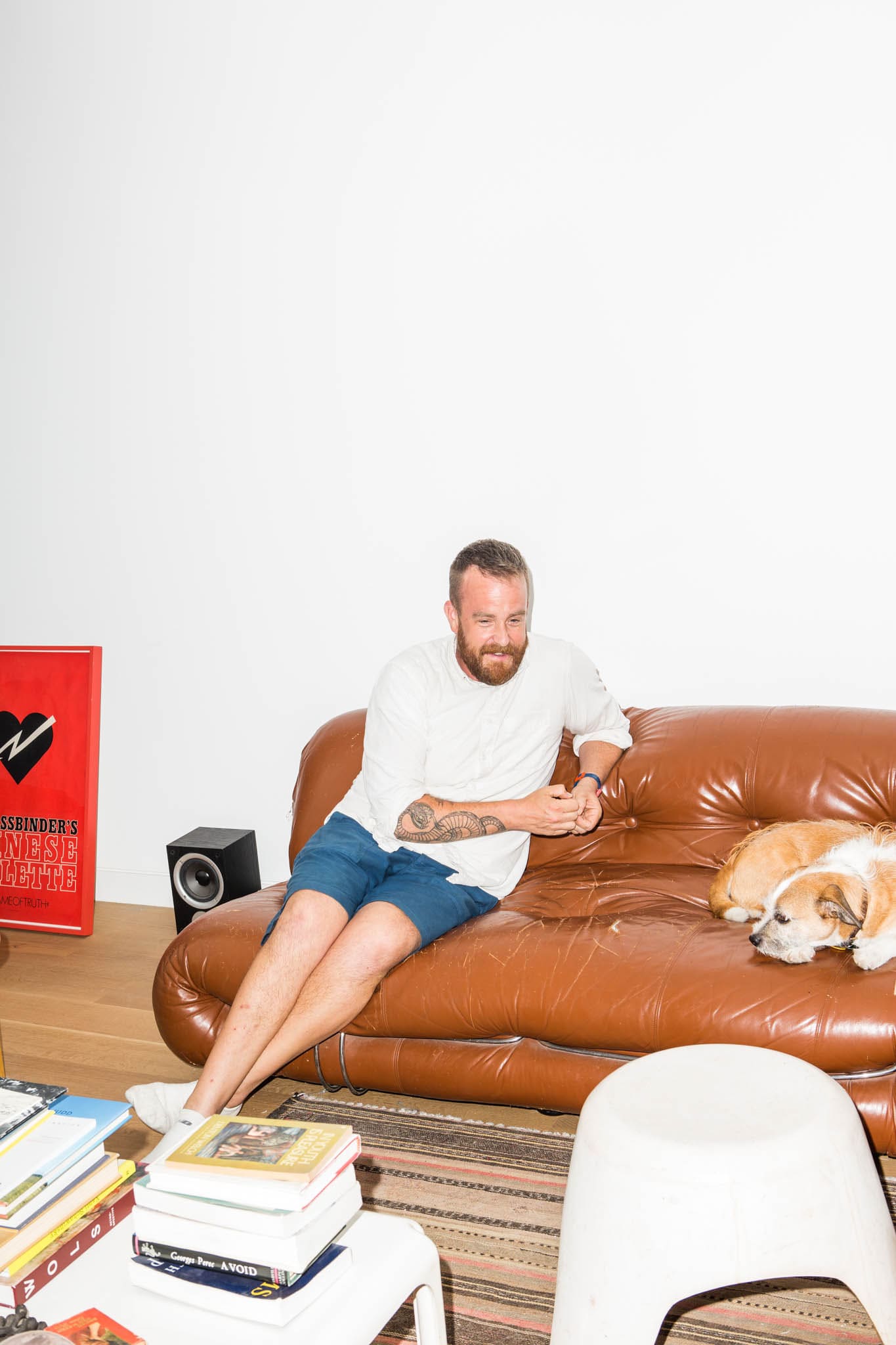
Matt Connors, featured in issue #16. Photography by Jeremy Liebman.
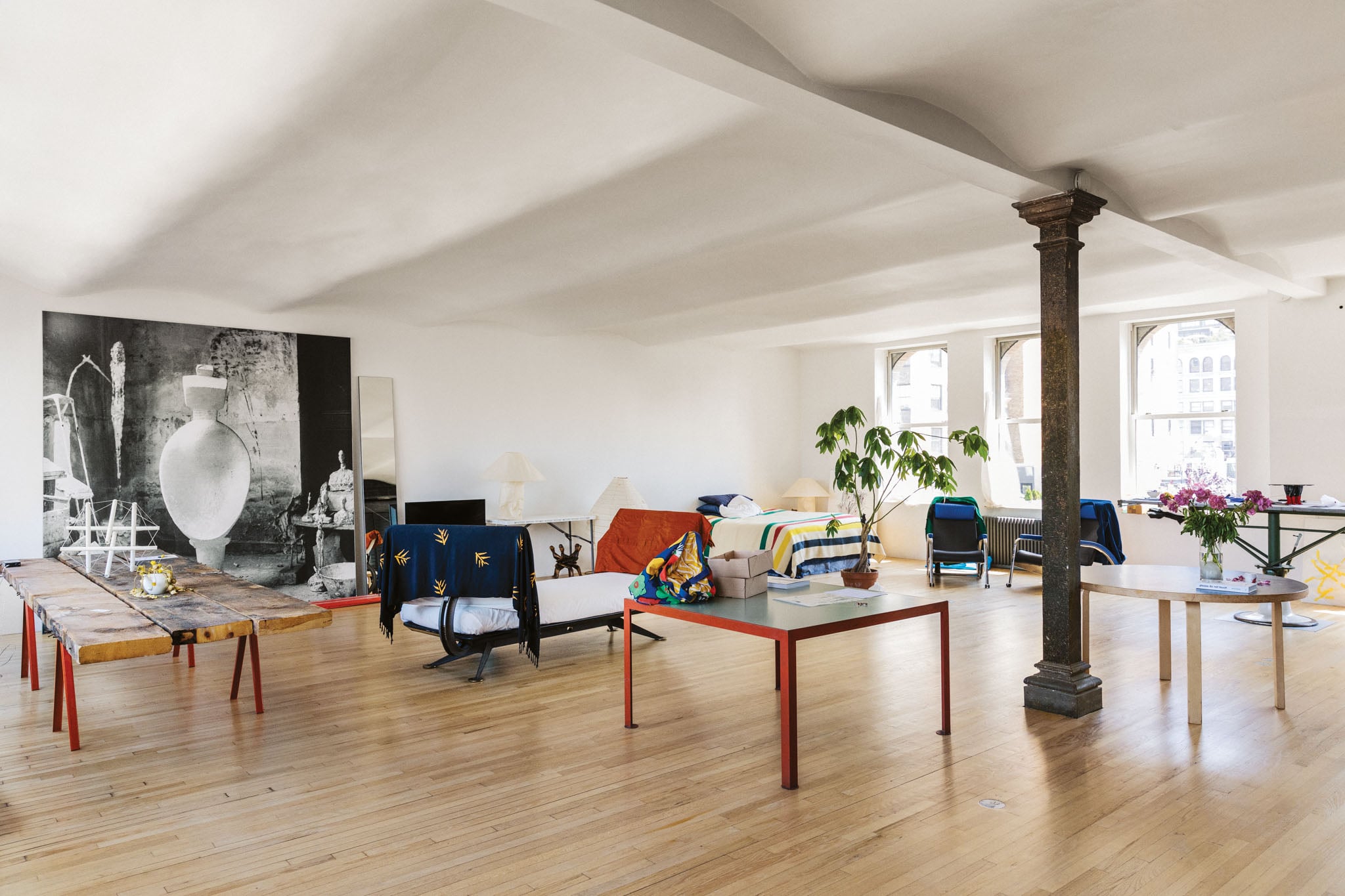
Ingo Maurer, featured in issue #22. Photography by Jeremy Liebman.
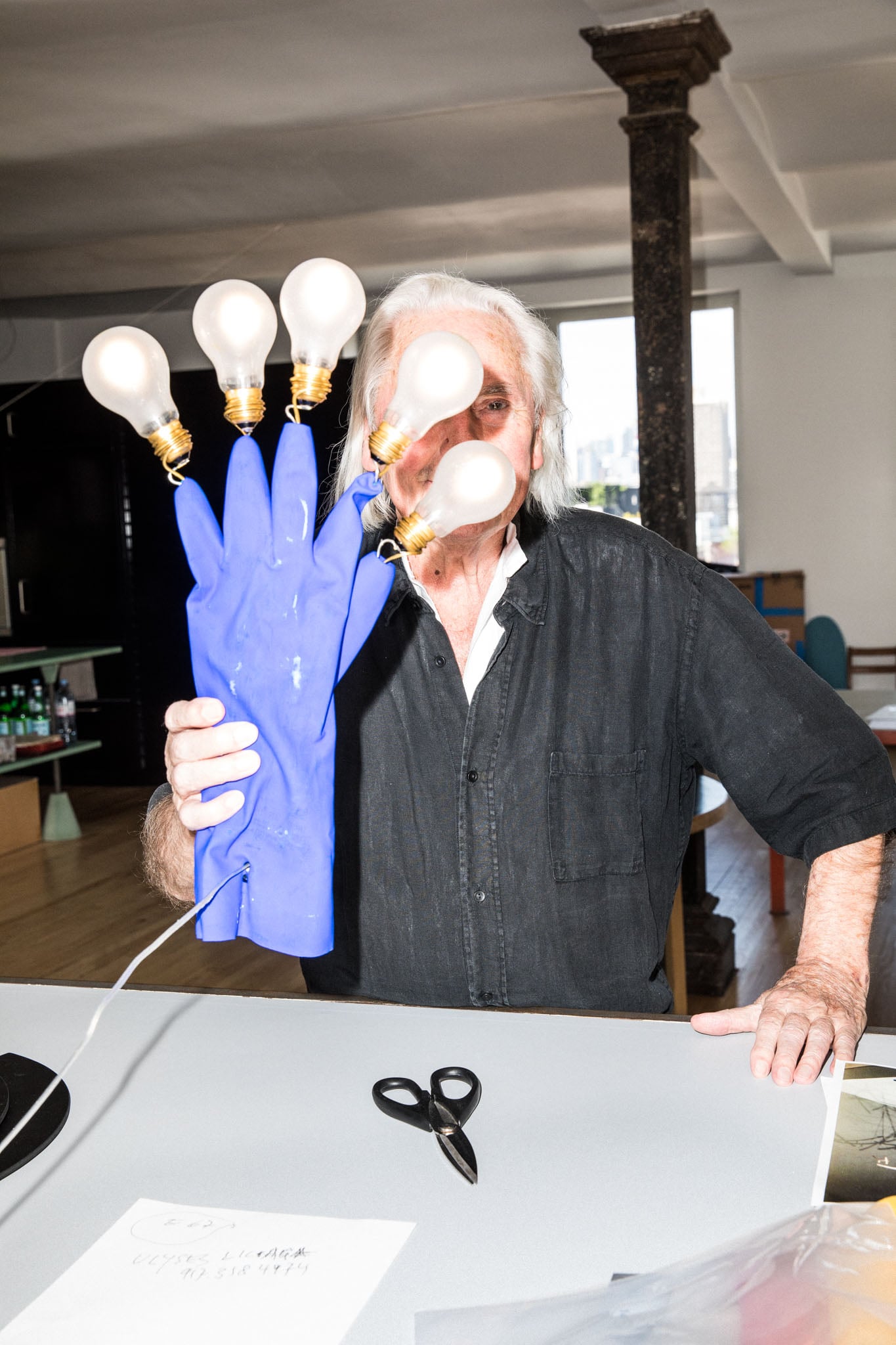
Ingo Maurer, featured in issue #22. Photography by Jeremy Liebman.
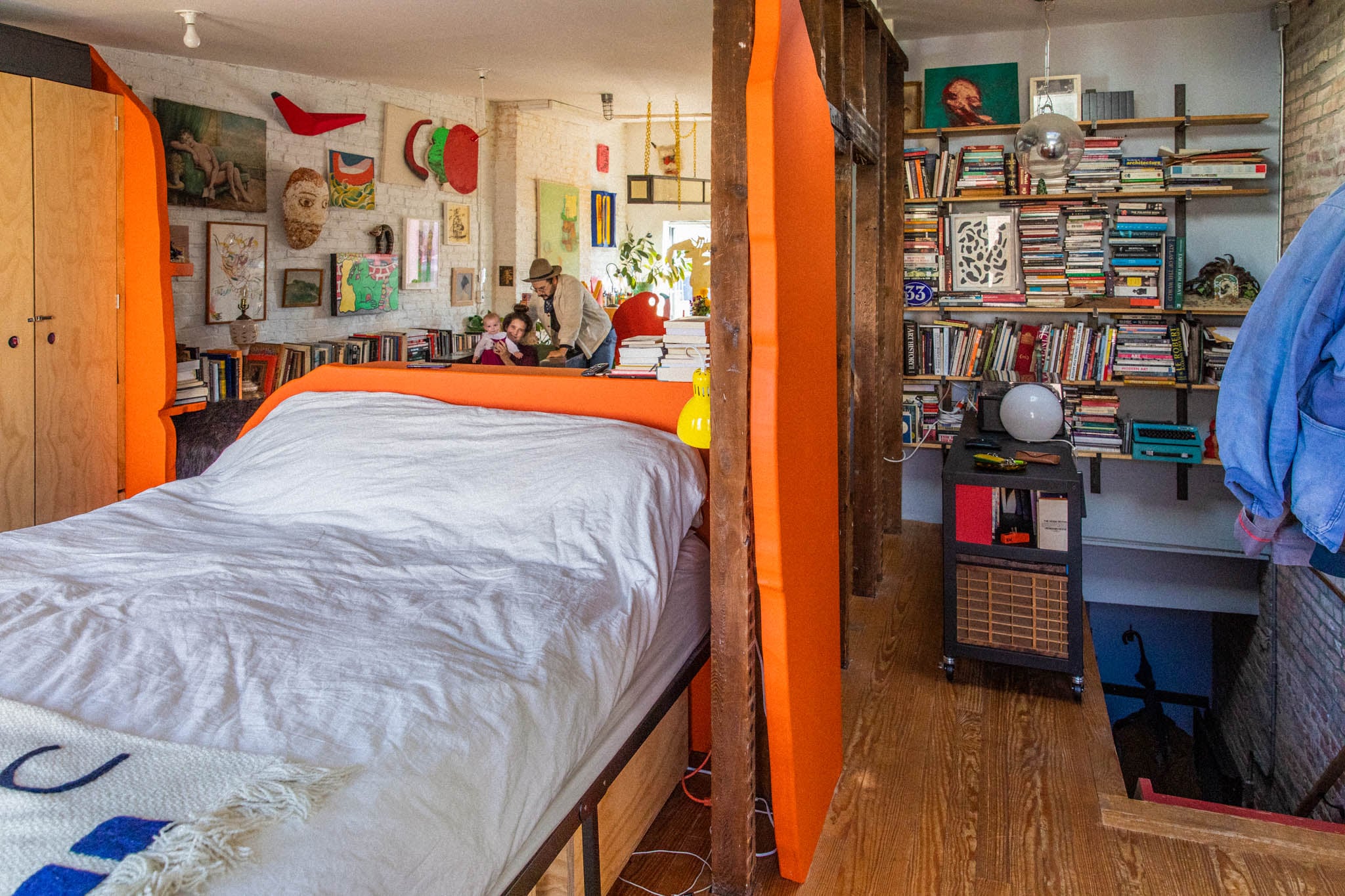
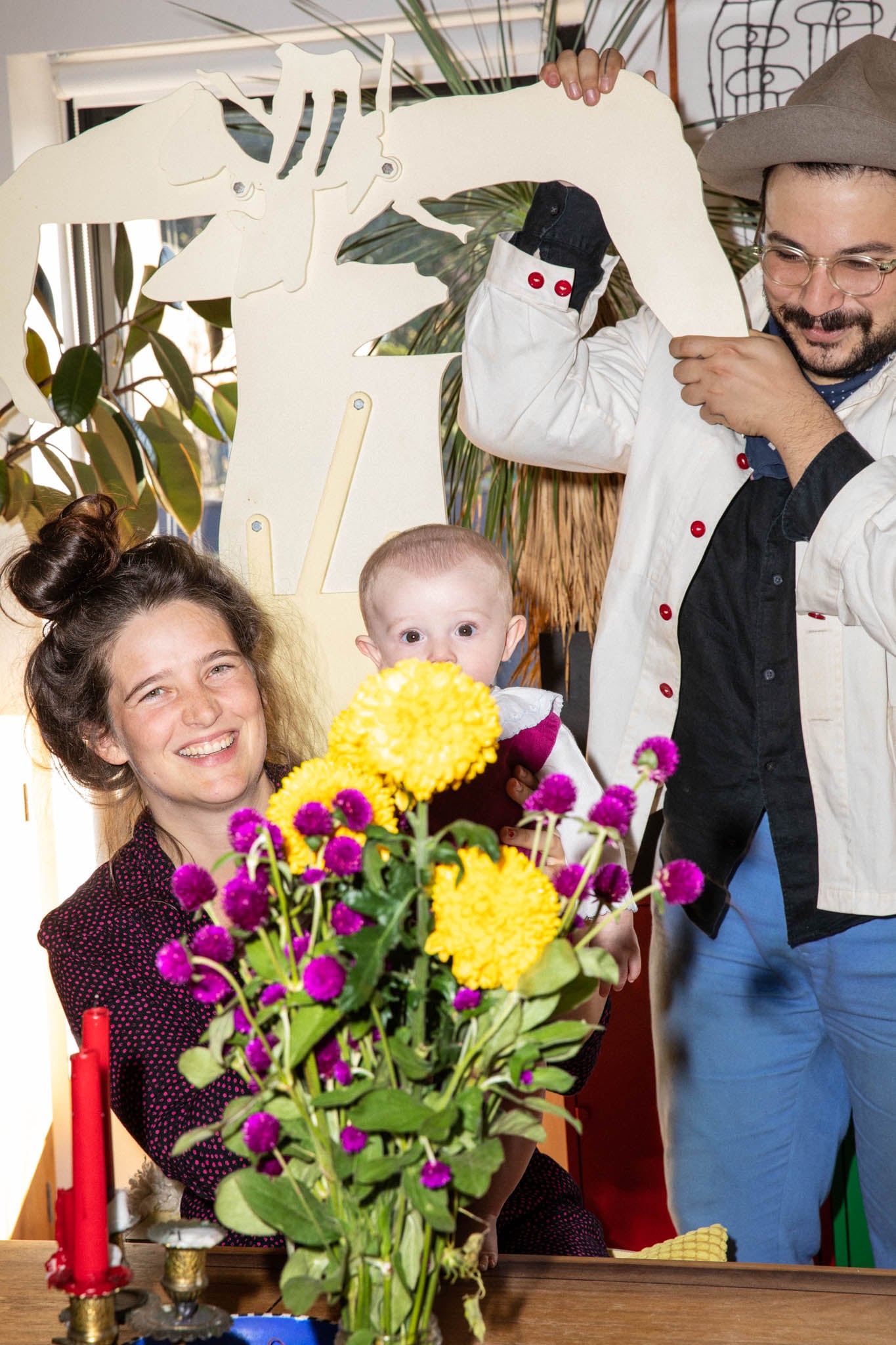
Serban Ionescu, featured in issue #24. Photography by Jeremy Liebman.
Serban Ionescu, featured in issue #24. Photography by Jeremy Liebman.
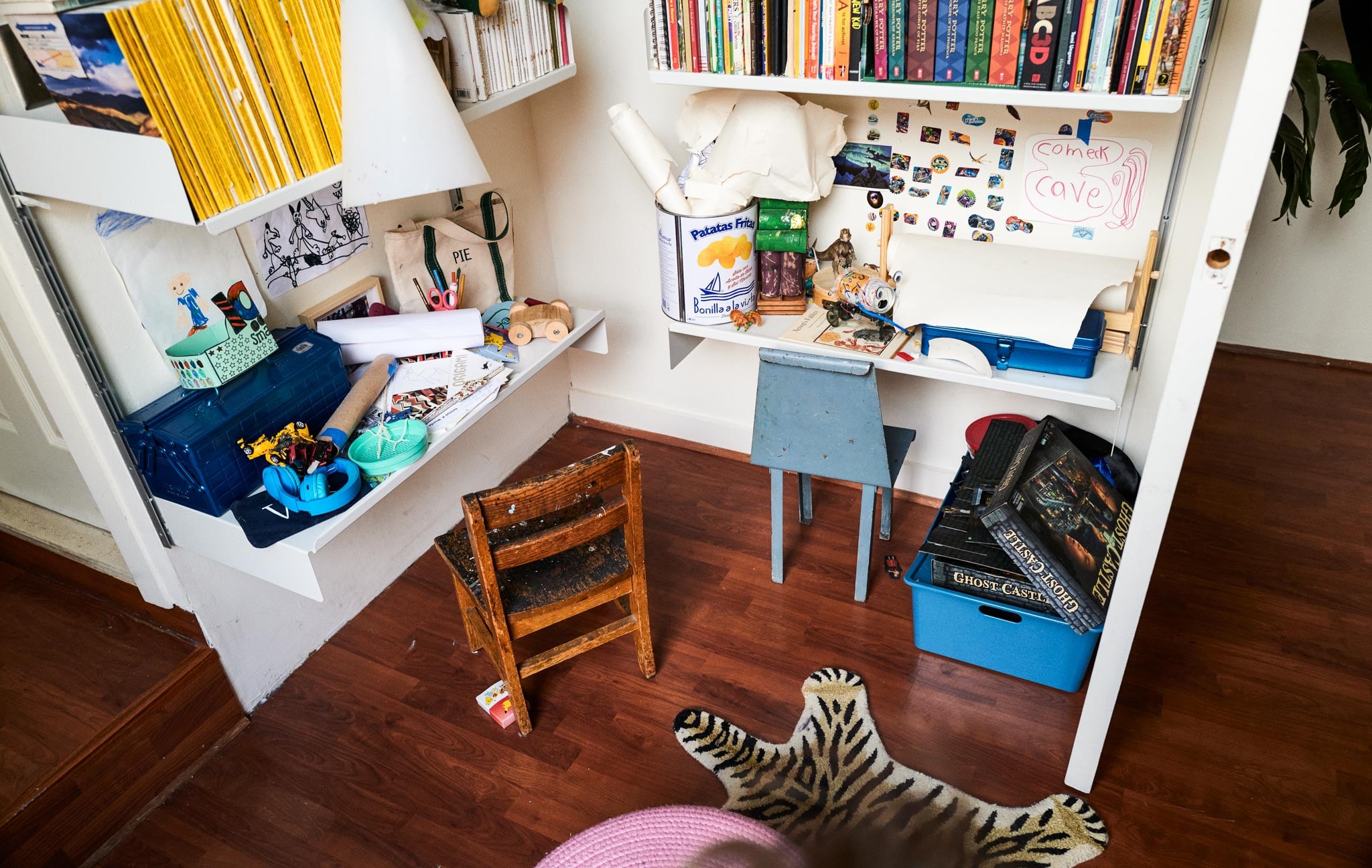
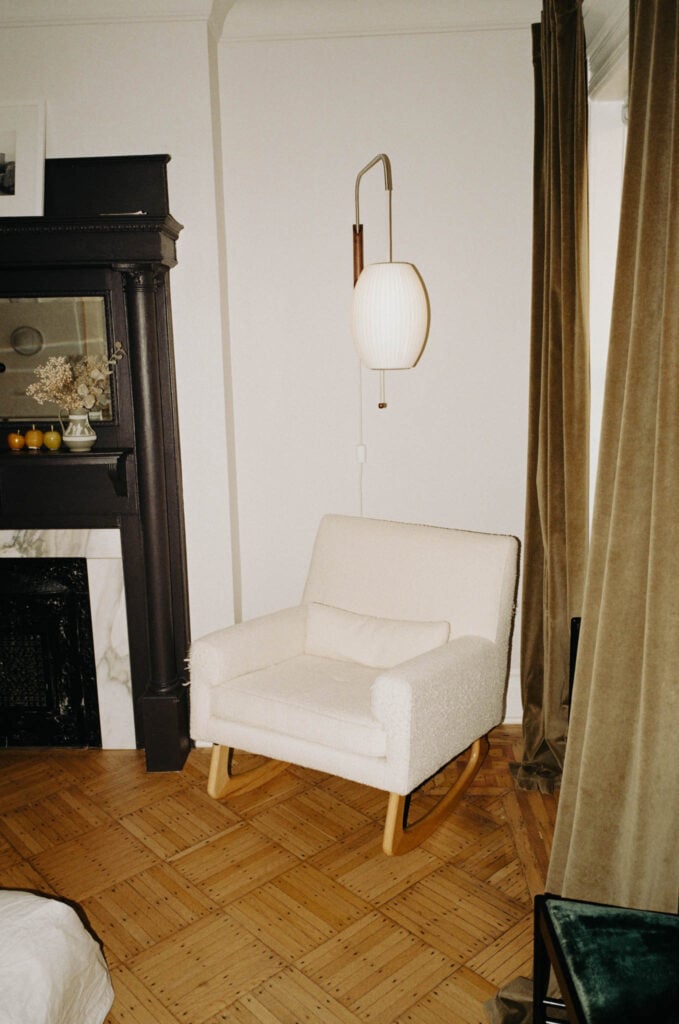
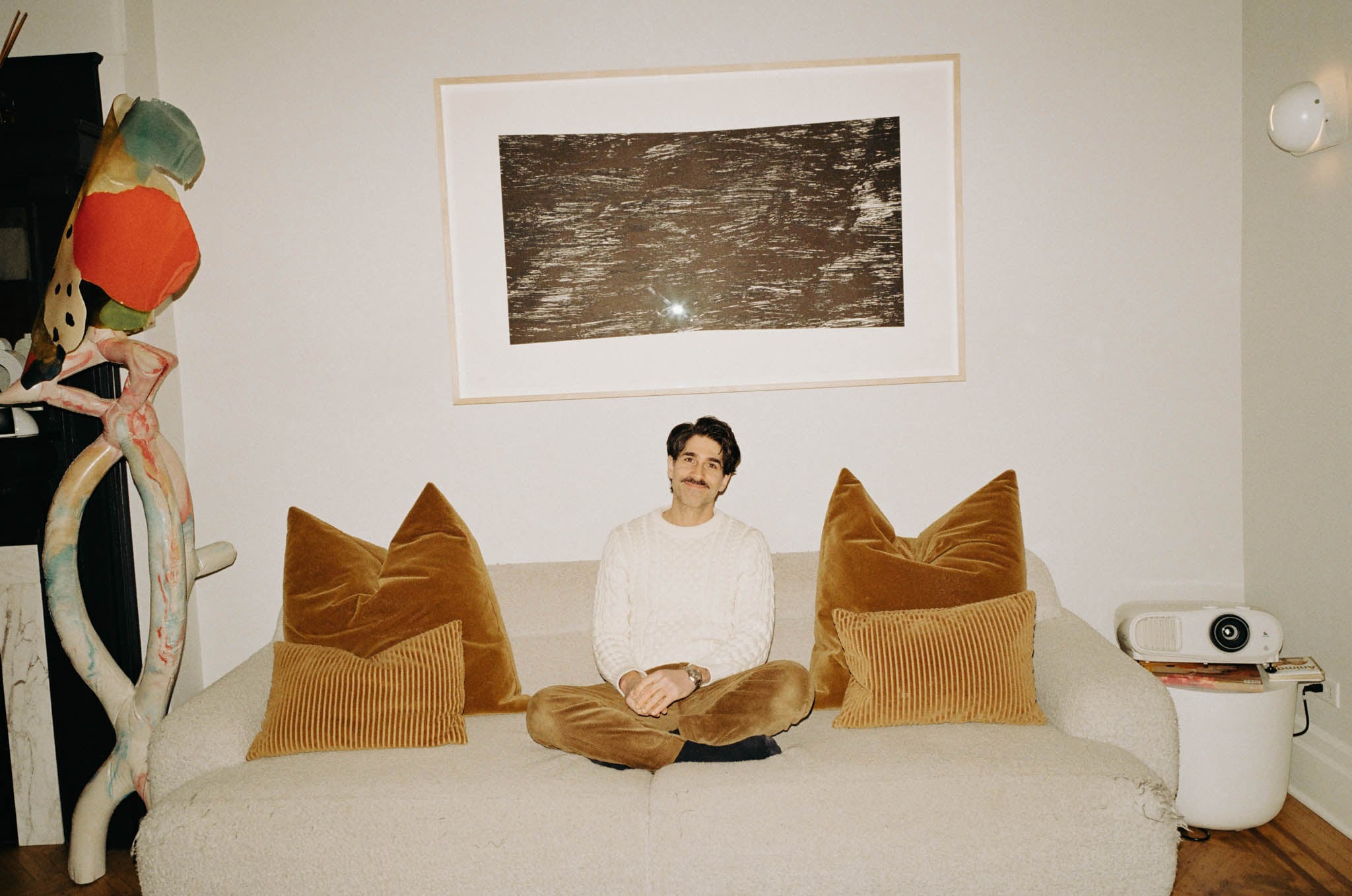
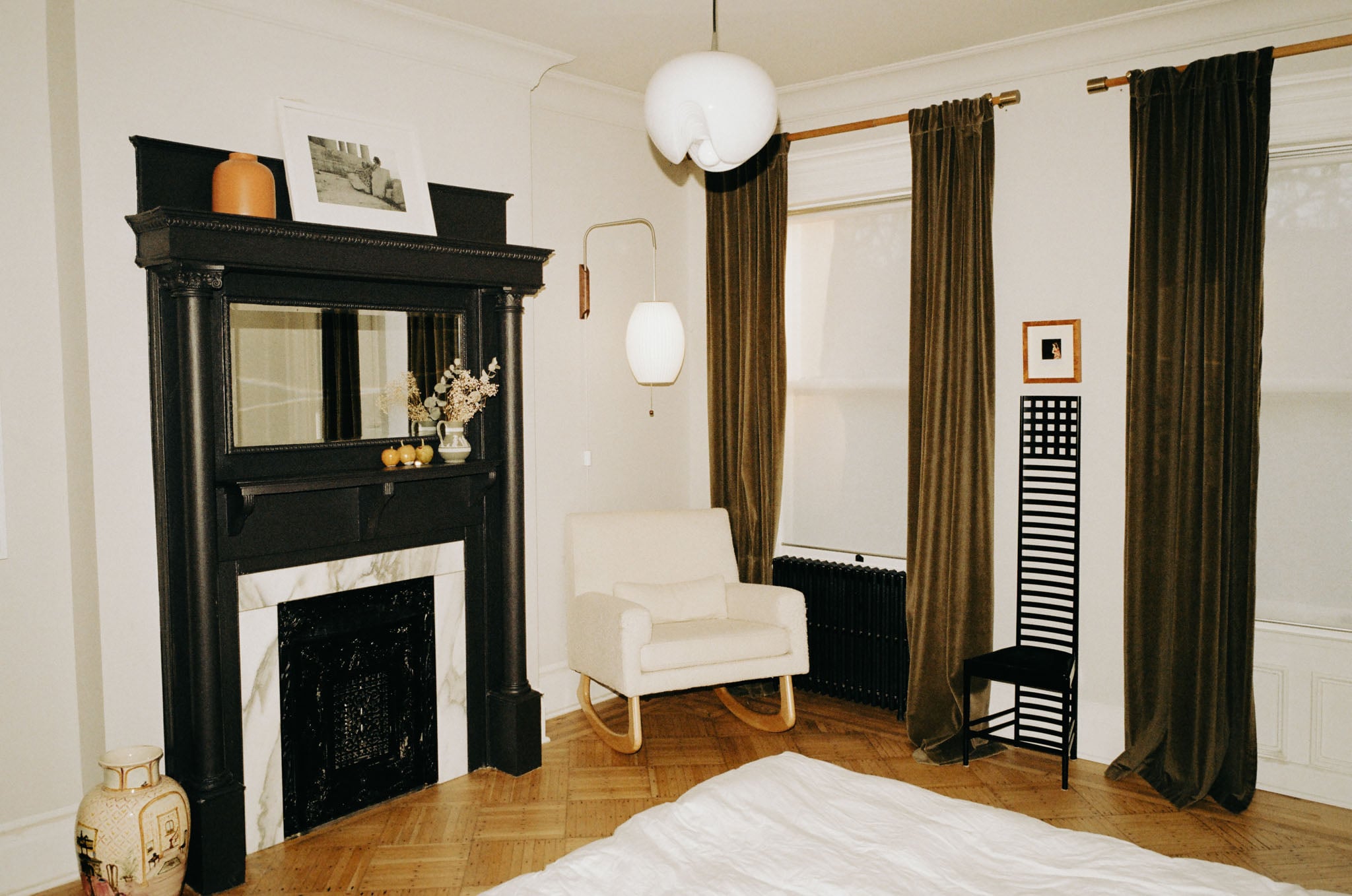
Alexandra Cunningham Cameron and Seth Cameron, featured in issue # 27. Photography by Jeremy Liebman.
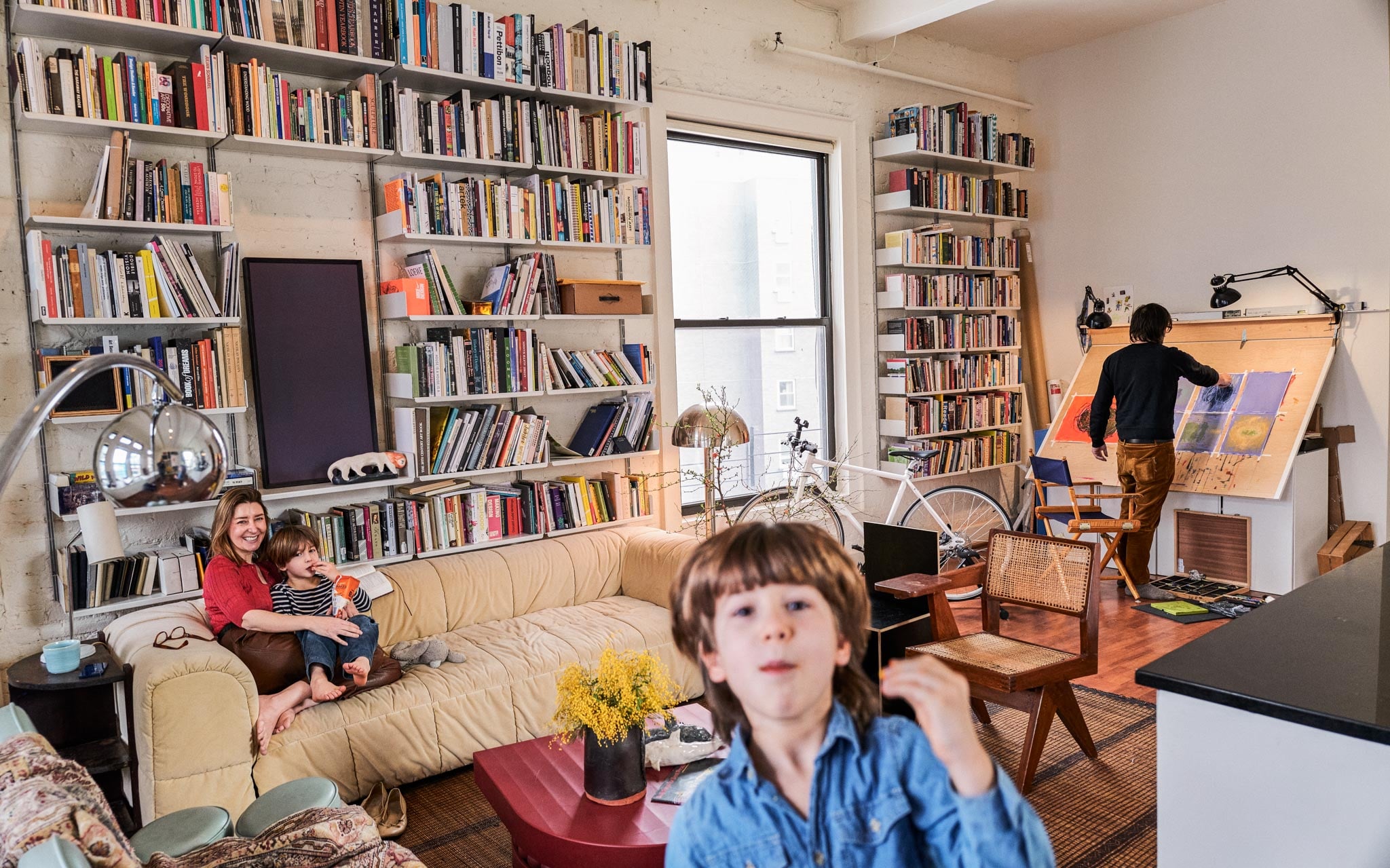
Alexandra Cunningham Cameron and Seth Cameron, featured in issue # 27. Photography by Jeremy Liebman.
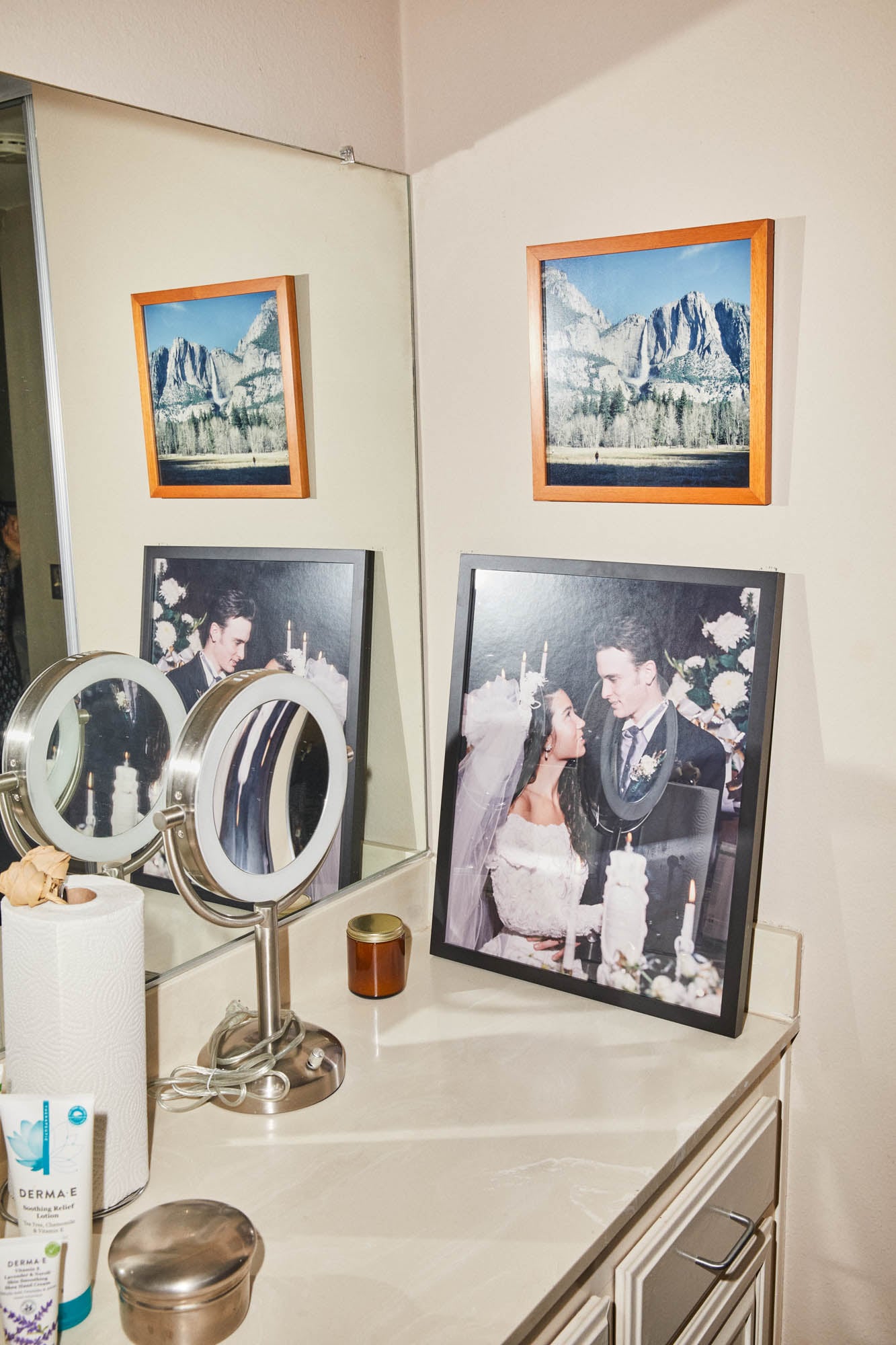
Ed and Deanna Templeton, featured in issue #32. Photography by Jeremy Liebman.
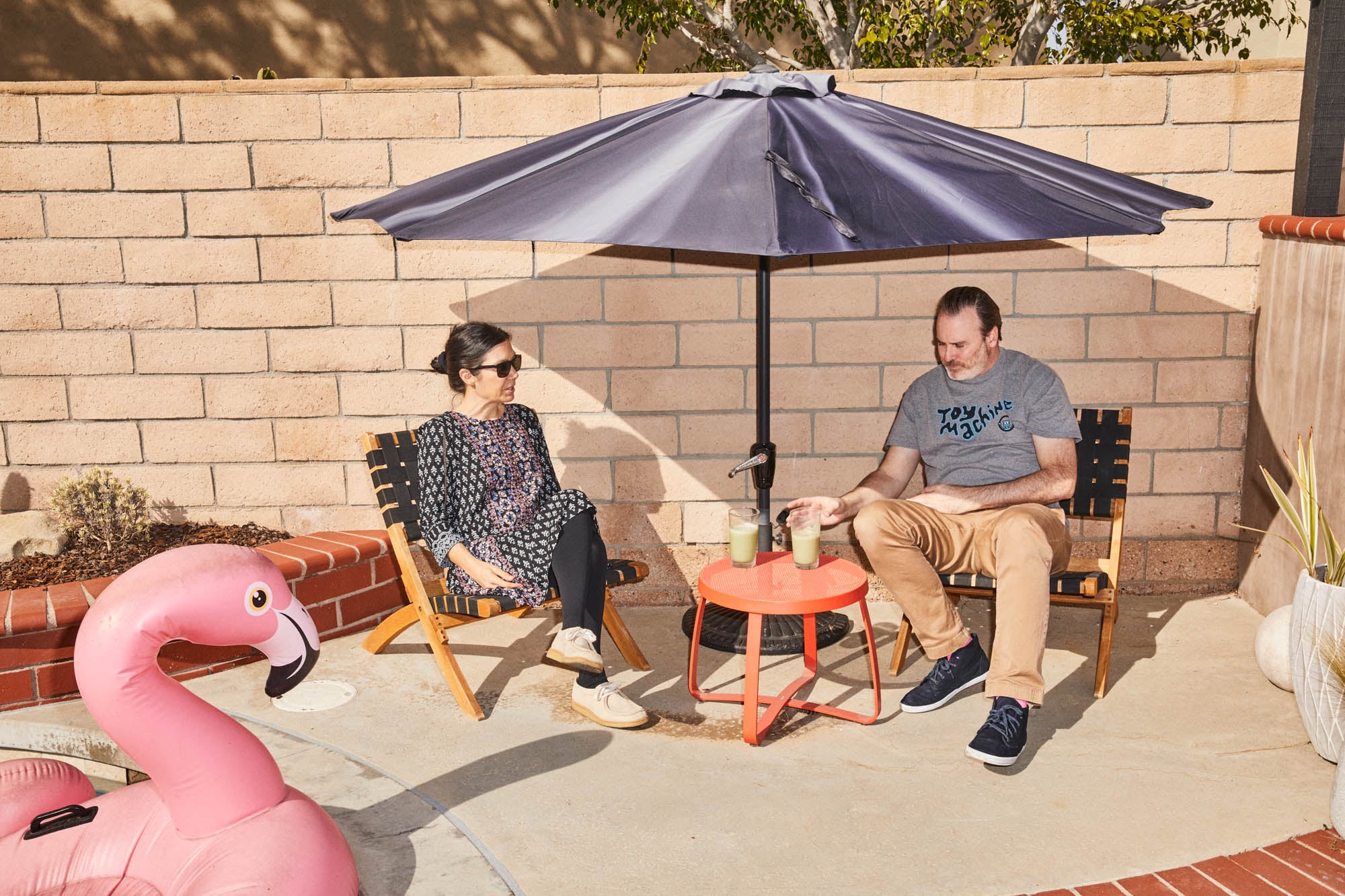
Ed and Deanna Templeton, featured in issue #32. Photography by Jeremy Liebman.
I’m thinking of photographers that have managed to build these lives where they can just take a camera with them seemingly any day and end up with something amazing. You’re either lucky and kind of unwittingly land in the middle of this amazing community and everything is photographable, or you have a job that allows you to travel to amazing places all the time.
But aren’t you suspicious when everything is photographable? Isn’t the world designed to be photographable, so that things that are unphotographable are more special in a way?
That makes me think of Jim Walrod because he would walk everywhere, to put himself in these moments where you come across things that might not be the most photographable but are better for that reason.
There’s an element of taste—taste or personality—involved too with Jim where you knew when he was poking fun at or celebrating the thing he was photographing. It’s nice when those two things can kind of coexist, that earnestness with a little bit of cynicism.
How do you make time for the more poetic side of your work?
When Waylon came over to do the second day of shooting for that documentary, he said, ‘Maybe you could take some pictures of the family’, and I wasn’t sure if I would get anything. But in the end, I feel like some pretty decent pictures ended up in the film. So sometimes just the act of having the camera makes you pay attention a little more, interact a little differently, or see things that you might not see.
I’m not one of those photographers that always carries a camera, other than my phone, because it’s just a hassle. When I do, I think I’m paying more attention. I’m like you in that I’m shooting holidays, I’m shooting birthdays. A lot of what I’m interested in is that vernacular type of photography: this is a grocery store, this is a snowstorm. Everything can be part of the picture, everything can be elevated.
Wolfgang Tillmans has this book called If One Thing Matters Then Everything Matters. It’s a very Buddhist thought. I’m not really religious, but that idea of everything being sacred, holy, or coming from the same source resonates with me. I think anything could be fair game. That’s where that internal attunement—and I wouldn’t even try to articulate where that comes from—that internal feeling of ‘That caught my attention. I’m going to capture it in the best way I can’, comes into play.
In the editing process down the line you say, ‘Wait was that something? Was I seeing something beneath the surface? Was I seeing something metaphorical that feels real and resonant rather than corny and cliche?’
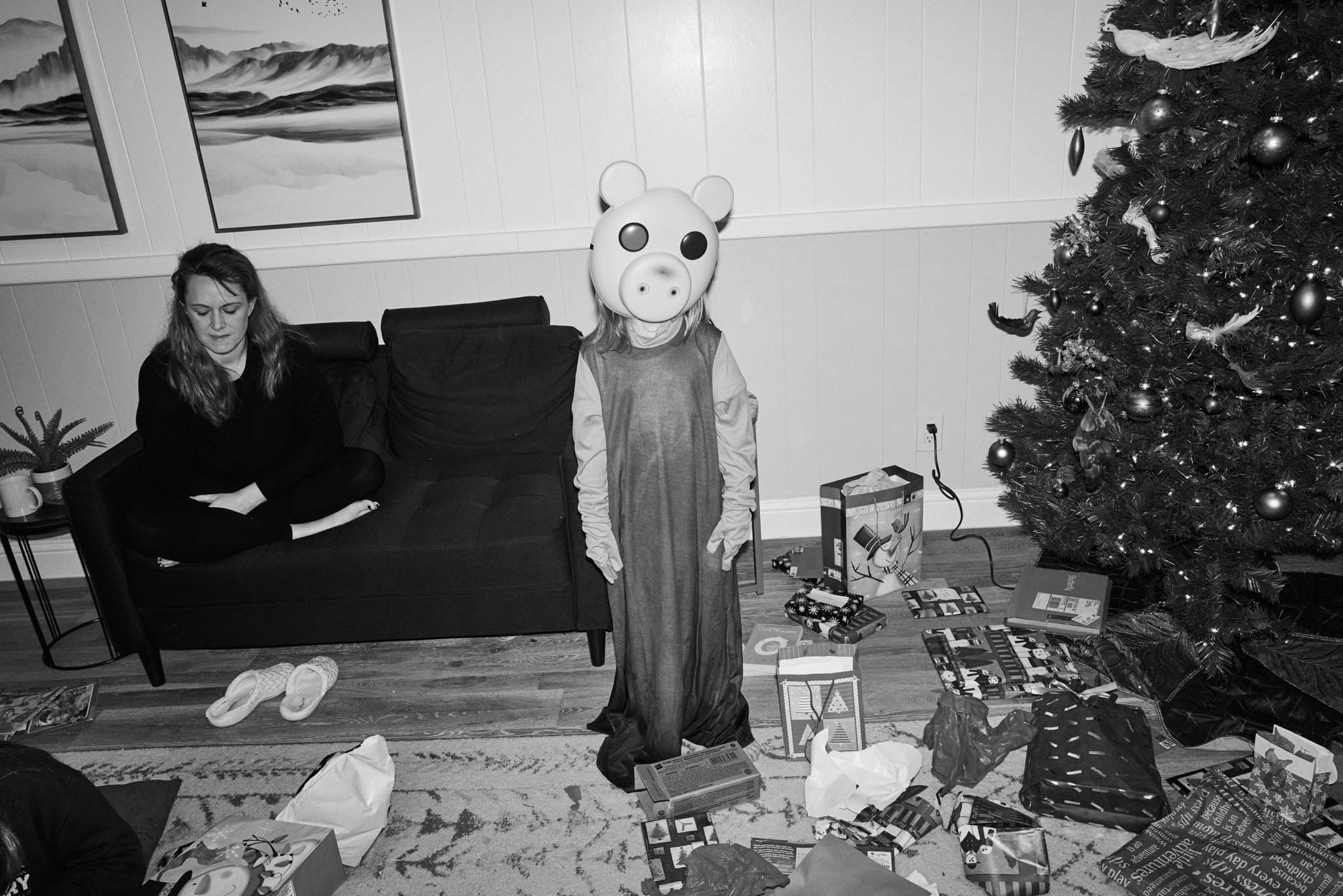
Photographs from Coincidence by Jeremy Liebman.
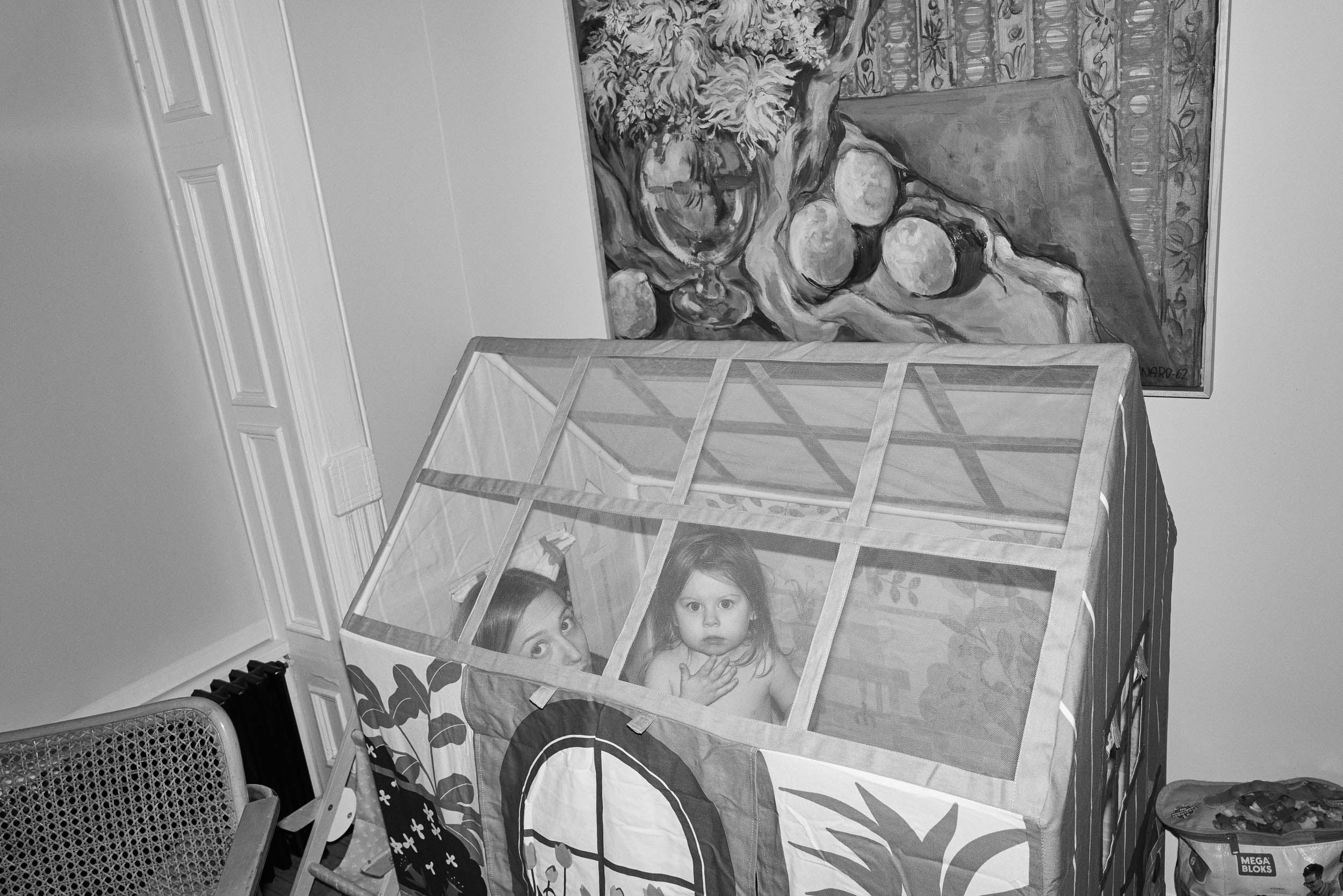
How do you get through the editing process? Do you struggle with it?
I shoot my camera as though it were a film camera. If I go away, I’m just shooting. I’ll check my exposure, but then I’ll just shoot, shoot, shoot and not look at it—it’ll live on the card. If I put it on a hard drive, I won’t edit it for a very long time.
But you manage to find the energy to go back to it?
I have a ranking system in Capture One where I’ll give one star for something that I want to send to somebody and five stars for something a little more special. It’s switching brains in a way because there’s the photographer brain where you’re shooting and you’re trying to make a good picture. Then there’s the editor brain that comes in later and says, ‘That’s a good picture, but so what? It’s not special, or it’s not doing what it would need to do to be a work of art’.
I think that the editor is the really selective superego and the photographer has to be like the id that’s just going to make a really corny picture, and it goes ahead and makes a picture of the sunset or something that might not work. Then you really need that superego brain to say, ‘Ah, don’t do that. Stop doing that. That’s not working’—but you can’t have that too much in your photographer brain because then you don’t do anything. Sometimes those pictures of the sunset work because your flash goes off and something passes in front. So it’s OK to take bad pictures—just don’t show them.
This is a stupid question, but what makes a good photograph?
It’s a stupid answer, but it’s truthfulness—not in its objective reflection of reality but in how much it feels like a real expression of the person who took it. There is room for it to be a little bit pretentious, a little bit misguided, wrong, badly exposed, imperfect, flawed, and it could still be a good picture.
Related stories
Oswaldo Viteri
Vadim Otto Ursus
A conversation with Mijae Kim
 close
close
01/37
02/37
03/37
04/37
05/37

06/37

07/37

08/37

Photographs from Coincidence by Jeremy Liebman.
09/37

10/37
11/37
12/37
13/37
14/37

15/37

16/37

Photographs from Coincidence by Jeremy Liebman.
17/37

18/37

19/37

20/37

Jim Walrod, featured in issue #10. Photography by Jeremy Liebman.
21/37

Jim Walrod, featured in issue #10. Photography by Jeremy Liebman.
22/37

Apichatpong Weerasethakul, featured in issue #11. Photography and interview by Jeremy Liebman.
23/37

Apichatpong Weerasethakul, featured in issue #11. Photography and interview by Jeremy Liebman.
24/37

Matt Connors, featured in issue #16. Photography by Jeremy Liebman.
25/37

Matt Connors, featured in issue #16. Photography by Jeremy Liebman.
26/37

Ingo Maurer, featured in issue #22. Photography by Jeremy Liebman.
27/37

Ingo Maurer, featured in issue #22. Photography by Jeremy Liebman.
28/37

Serban Ionescu, featured in issue #24. Photography by Jeremy Liebman.
29/37

Serban Ionescu, featured in issue #24. Photography by Jeremy Liebman.
30/37

Alexandra Cunningham Cameron and Seth Cameron, featured in issue # 27. Photography by Jeremy Liebman.
31/37

Alexandra Cunningham Cameron and Seth Cameron, featured in issue # 27. Photography by Jeremy Liebman.
32/37

Ed and Deanna Templeton, featured in issue #32. Photography by Jeremy Liebman.
33/37

Ed and Deanna Templeton, featured in issue #32. Photography by Jeremy Liebman.
34/37

Photographs from Coincidence by Jeremy Liebman.
35/37

36/37

37/37